On Stage
The Musical LAB, Performing Hours, galas, events, drama productions, internships at professional theaters and the musical production at the end of the program are elements of the artistic-practical module structure of the B.A. program at the Institute of Music. The artistic part of the program ends with the MAP – the Musical Graduates' Presentation of the German-speaking universities.
Below you will find documentation of various projects with films and photos, as well as a list of our award winners at national and international competitions.
MAP / MUSICAL PRODUCTIONS
Musical Graduates' Presentation (MAP):
The Zentrale Auslands- und Fachvermittlung (ZAV), an institution of the Federal Employment Agency, is an important platform for placing musical performers, singers, dancers and actors. Once a year, together with all public universities for musical theater (UdK Berlin, Folkwang Universität der Künste Essen, Theaterakademie München, Konservatorium Wien and the Institute of Music at Osnabrück University of Applied Sciences), it organizes the so-called “MAP – the Musical Graduates' Presentation”. Over two days, the graduating classes of the universities present themselves to invited artistic directors, agents and casting directors. The “MAP” is the official entry into the job market as a performing artist and is usually also linked to being taken on by the ZAV. Each year a different university hosts the event.
Musical productions
Each graduating class presents itself to the public in its own musical production.
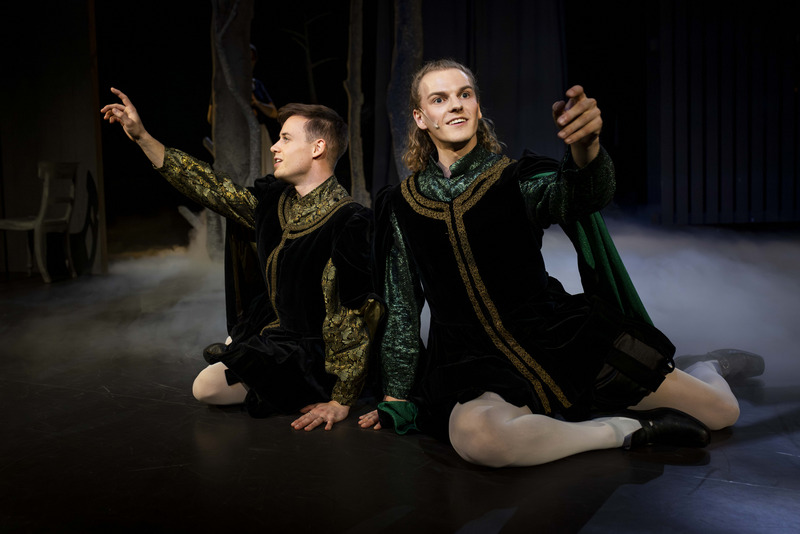
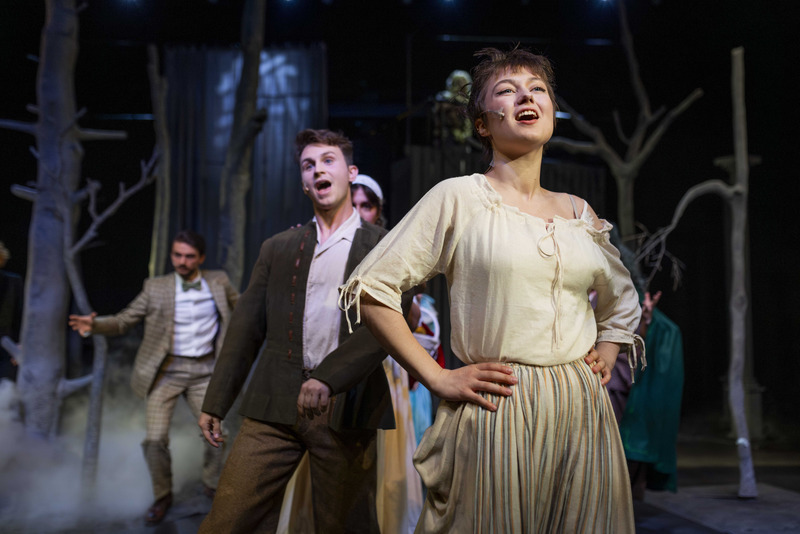
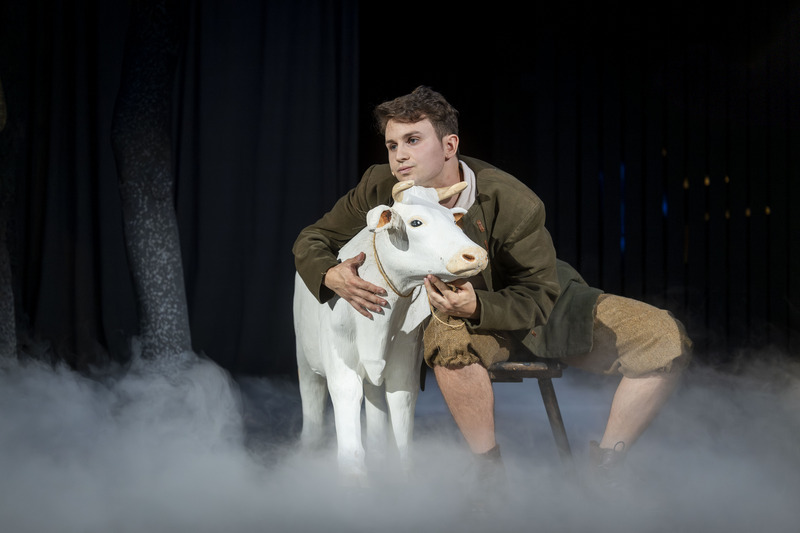
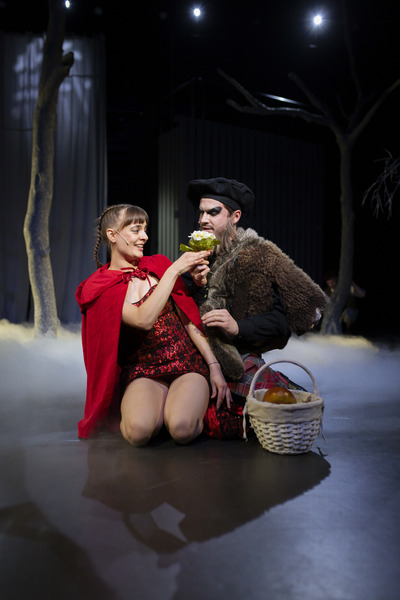
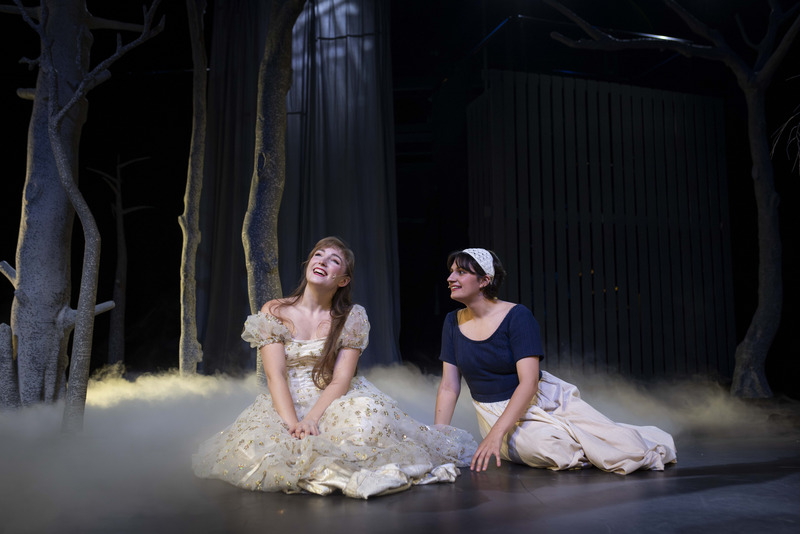
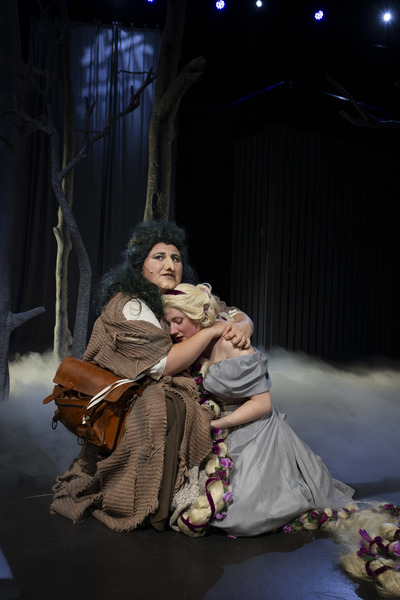
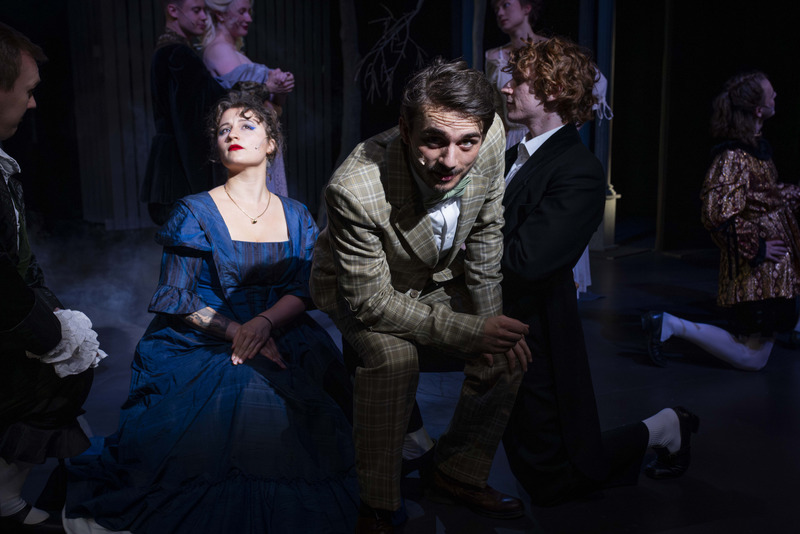
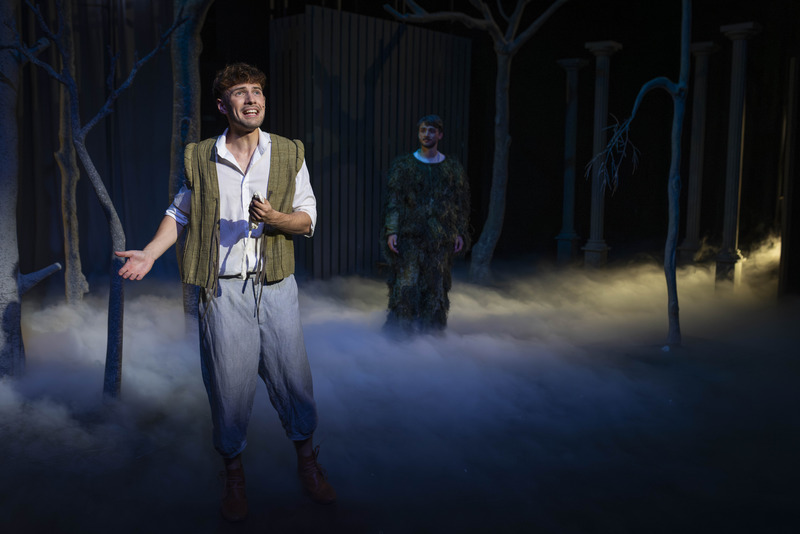
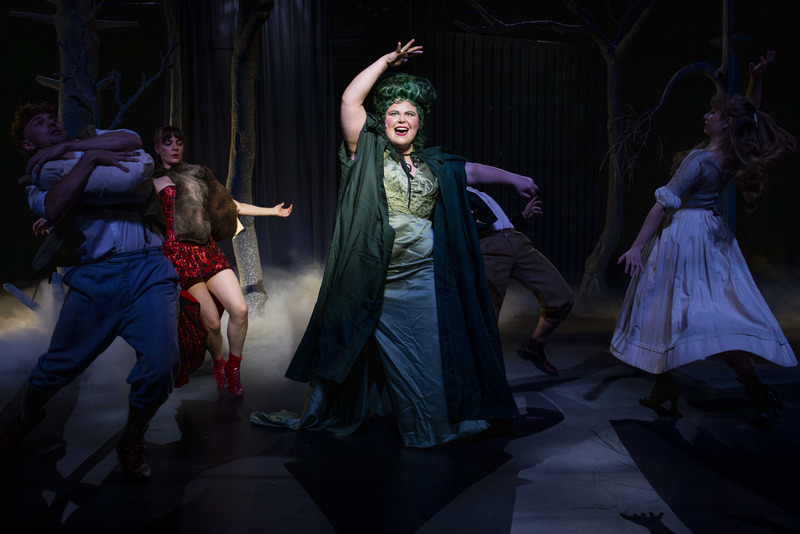
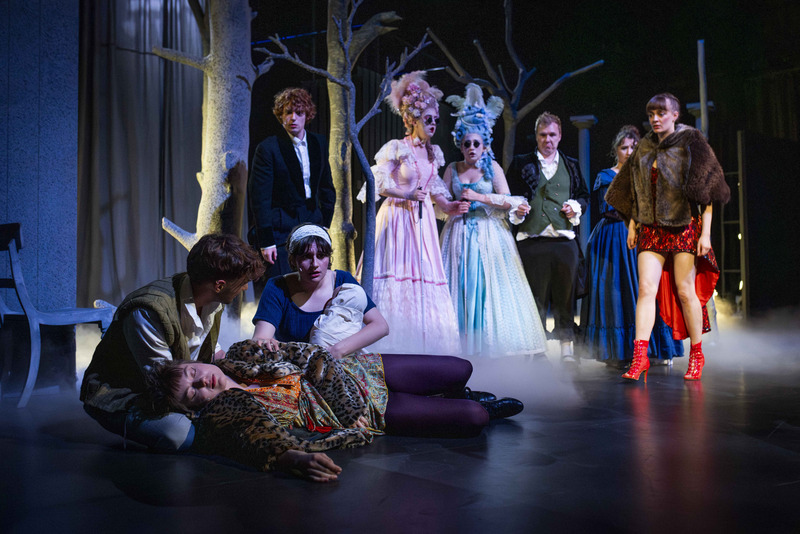
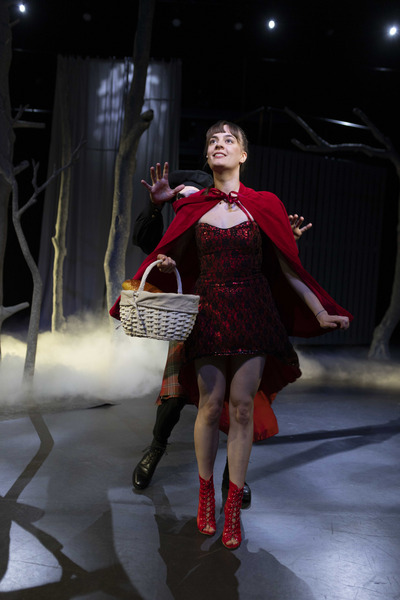
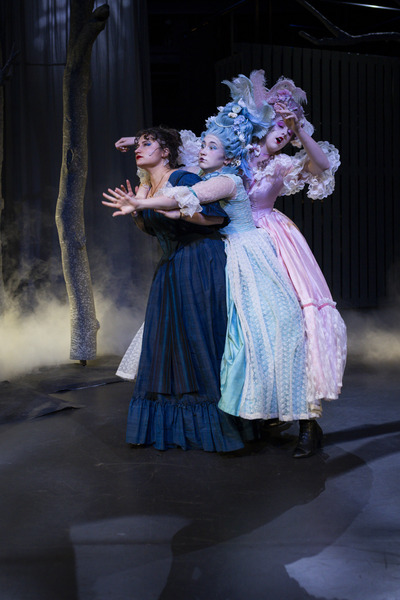
INTO THE WOODS
Ab in den Wald
Music and lyrics:Stephen Sondheim
Book:James Lapine
German version:Michael Kunze
The idea for INTO THE WOODS came a year after Sondheim and Lapine had conceived a TV show. In the show, well-known stars from various entertainment shows were to meet in a car accident. Afterwards, all of them have to go to a hospital, where they meet again. So the first part is the car accident in which, for example, Thomas Gottschalk, Florian Silbereisen, Helene Fischer and Anneliese Rothenberger have an accident, and in the second part they discuss in the hospital who is to blame and who has to take responsibility. Basically, this is the structure of the piece, although, by analogy with the musical, Florian Silbereisen and Helene Fischer might perhaps die in the hospital.
Fairy tales are often short, have a tight plot that sets in very suddenly, have few characters and actually always just one problem. So the combination of both worlds was quickly born. Characters from different fairy tales collide in a symbolic accident in a place where many fairy tales are set: the woods! While in the first part all the characters' wishes come true, the second part negotiates the consequences of their actions.
At the center of the musical are the Baker and his Wife. The fairy tale of these two characters is an invention of the writer James Lapine and was added to the fairy tales of Cinderella, Little Red Riding Hood, Jack and the Beanstalk and Rapunzel. The Baker and his Wife are the only “modern” people in the piece; people with whom the audience can easily identify, characters who are not used to living in a fairy-tale context. As ordinary people, they are surrounded by princes, giants and witches (a witch as a central character connects the individual storylines). This often leads to funny encounters in the middle of the woods.
The woods, as a symbol of the subconscious, are the place where wishes are recognized, insights gained and where we fail. The fairy tale is the place where children are supposed to learn that good always wins. The musical's writer, however, was above all interested in the little tricks and dishonesties with which the characters achieve their goals. The musical focuses on the characters' small transgressions. He believed that “in the end everything will be fine” raises false expectations in children. Actions have consequences – always.
TEAM AND CAST:
Musical direction:Christopher Wasmuth
Staging, costumes, lighting:Sascha Wienhausen
Stage design:Alexander Kubica
Choreography:Andrew Chadwick
Sound:Tom Nolopp, Jan-Hendrik Kramer
Lighting:Jonny Ossowitzki, Sascha Wienhausen
Make-up: Sascha Littig, Lena Umbach, Charles Juchler
Musical preparation:Martin Wessels-Behrens
Assistant director:Hendrik Krah
Narrator / Mysterious Man:Jonas Blahowetz
Cinderella:Clara Schönberner
Jack:Philipp Faustmann
Jack's Mother:Frida Flohr
Baker:Leo Taubert / Rinus Render
Baker's Wife:Djamila Al-Slaiman
Cinderella's Stepmother:Anina Batz
Florinda, her daughter:Nike Just
Lucinda, her daughter:Solveigh Rügamer
Cinderella's Father:Tim Herde
Little Red Riding Hood:Francesca Mai
Witch:Janina Steinbach
Cinderella's Mother / Granny / Giant:Maike Weber
Wolf:Rinus Render / Leo Taubert
Rapunzel:Johanna Lewitz
Rapunzel's Prince:Lukas Sima Löbner
Cinderella's Prince:Christoph Gründinger
Steward:Valentin Thunig
Photos: Swaantje Hehmann
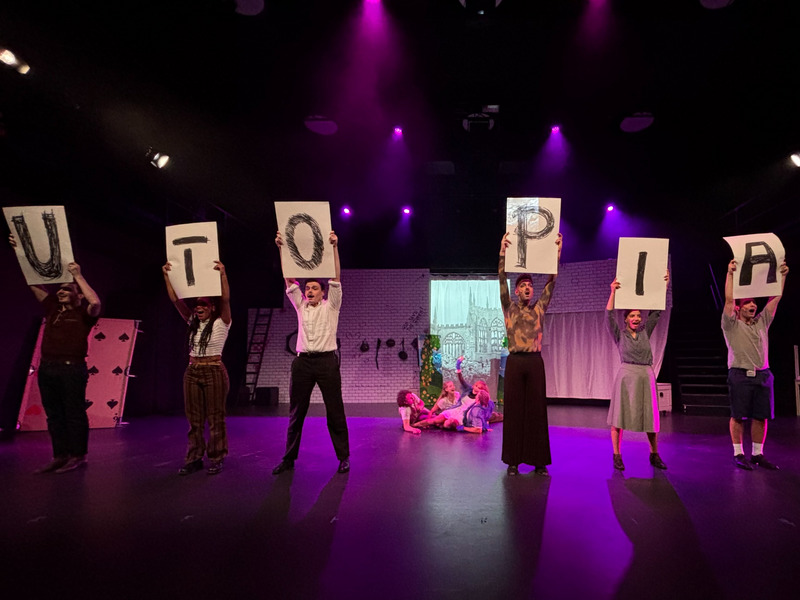
ALICE BY HEART
German premiere October 4, 2024
Book:Steven Sater and Jessie Nelson
Music:Duncan Sheik
Lyrics:Steven Sater
German version:Frederike Haas
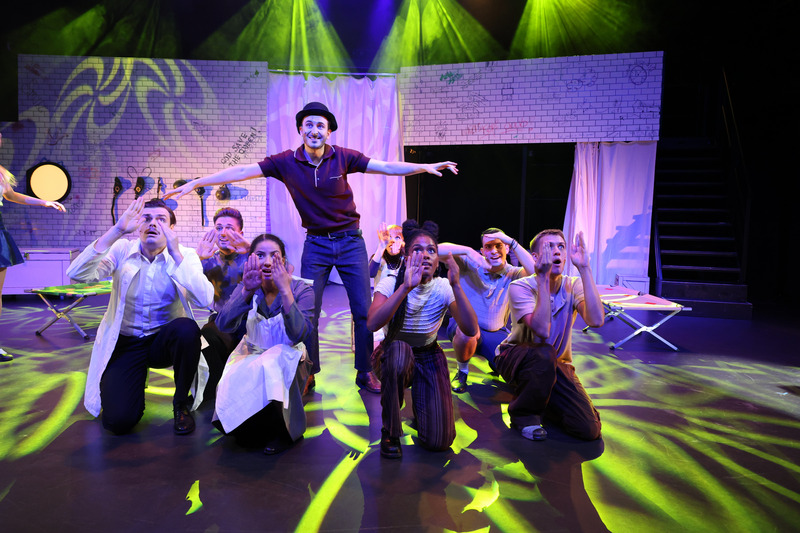
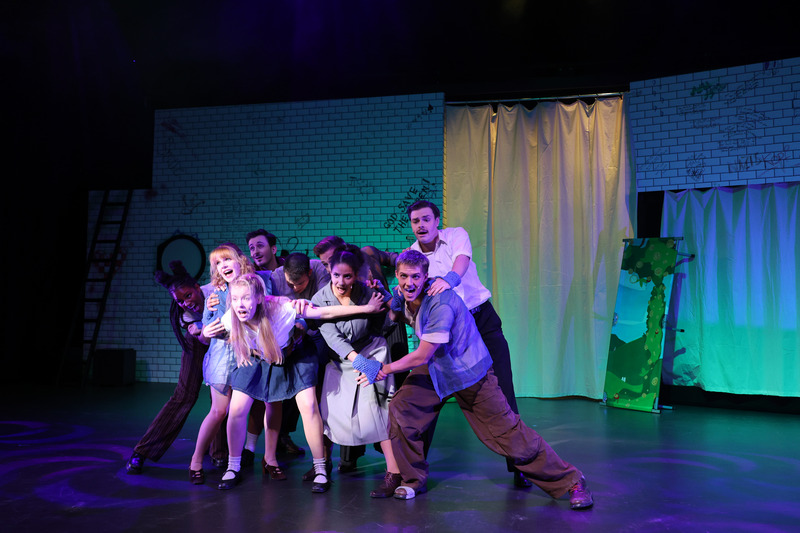
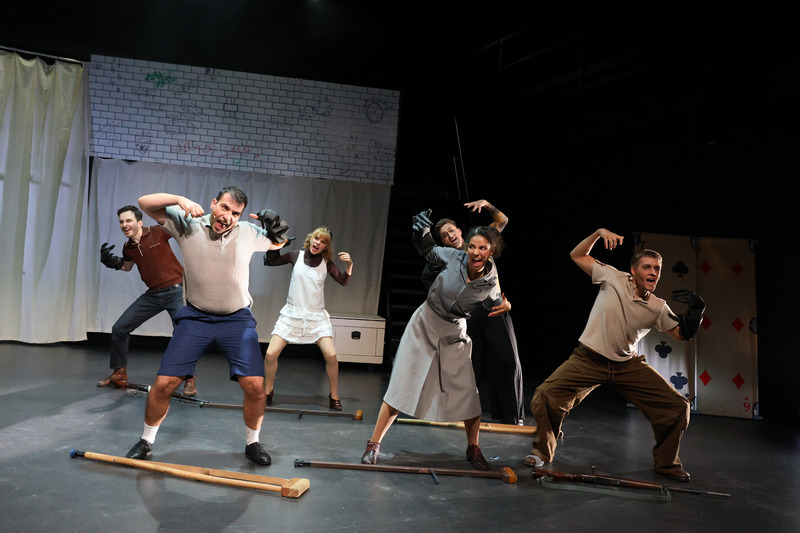
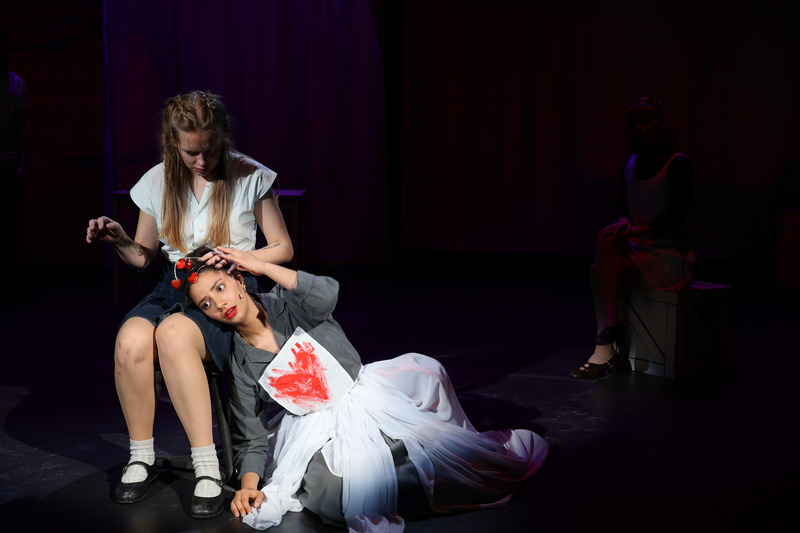
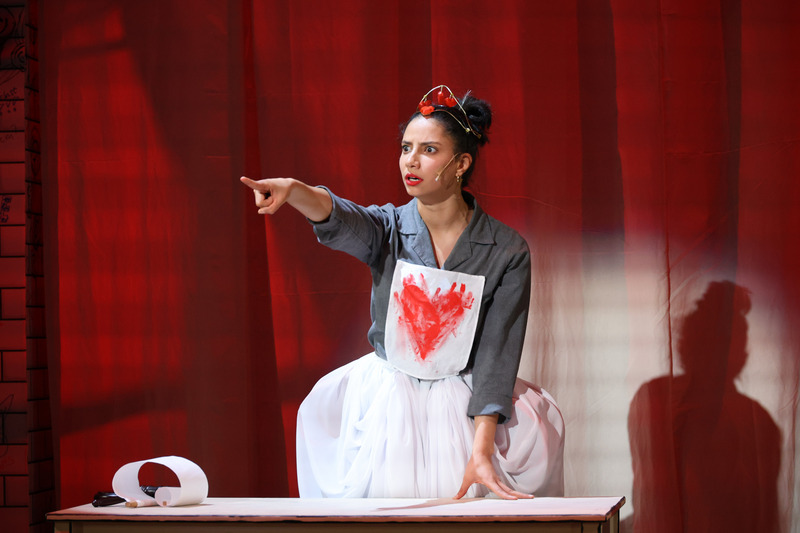
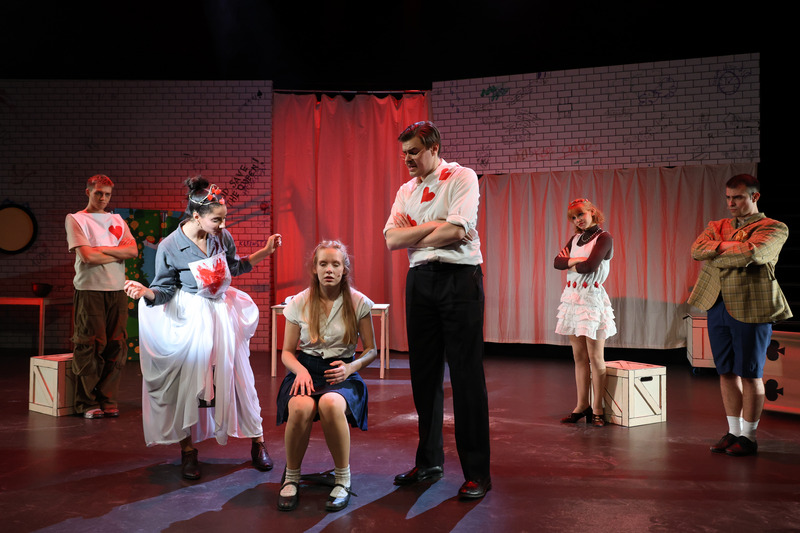
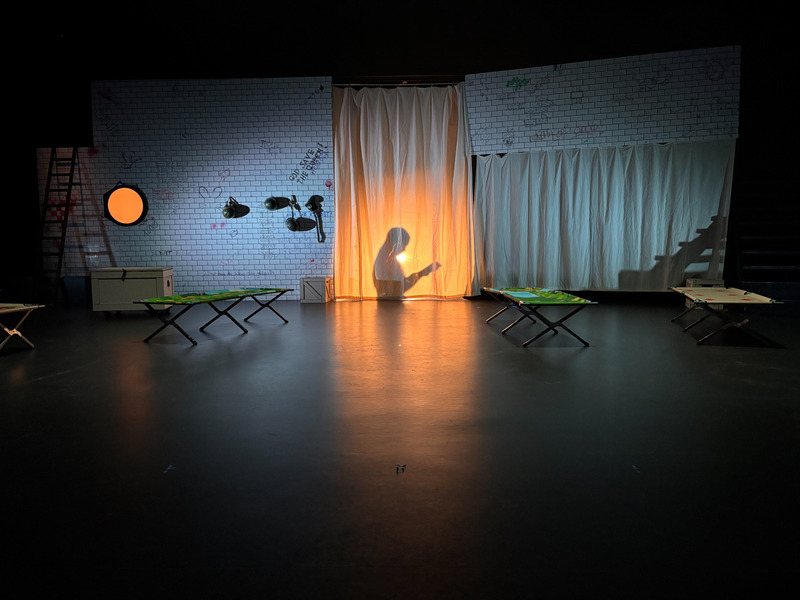
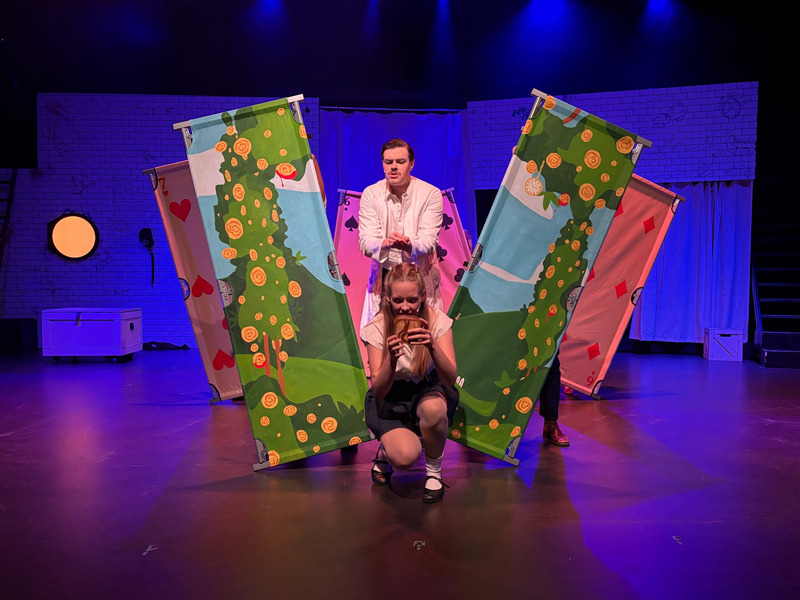
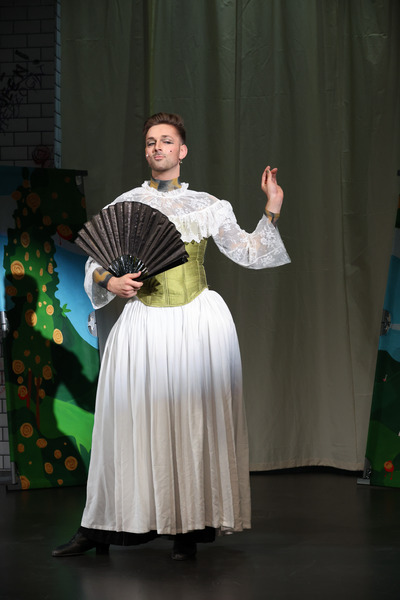
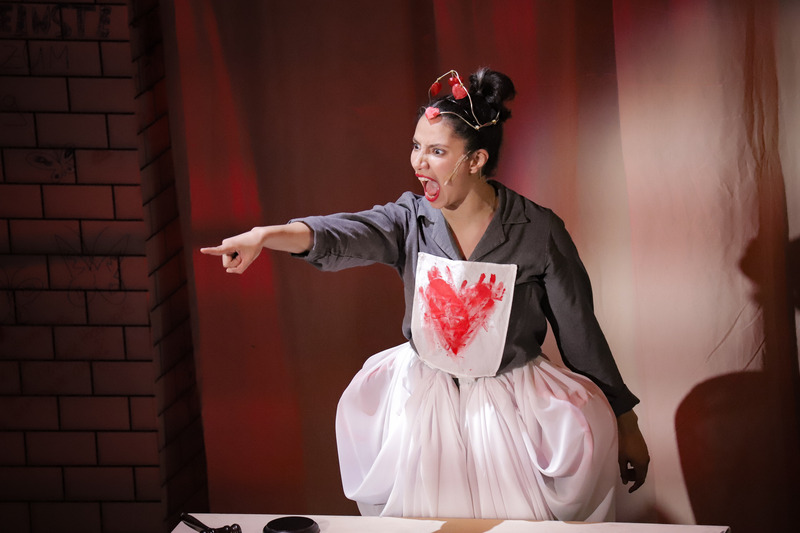
In the ruins of the German attack on London, with an Underground station as a shelter, Alice Spencer's teenage life is turned upside down. When her best friend Alfred is put in quarantine, Alice encourages him to escape with her into her beloved book and travel to Wonderland.
ALICE BY HEART explores the experience of first love, coping with loss and the courage to look ahead. This musical encourages everyone to celebrate the transformative power of imagination, even in the hardest of times.
Team and cast:
Musical direction:Martin Wessels-Behrens
Staging:Ansgar Weigner
Stage and costume design:Sarah Pöhlmann
Choreography: Michael Schmieder
Sound:Tom Nolopp
Lighting:Lukas Hippe
Production management:Sascha Wienhausen
Assistant:Yannic Blauert
Musical preparation:Martin Wessels-Behrens
Set construction:Alexander Kubica, workshops of the Städtische Bühnen Osnabrück
Technical director:Tristan Seiger
Alice:Laetitia Hippe
Alfred/White Rabbit/March Hare:Jonas Helmers
Nurse/Queen of Hearts:Amani El-Sadek
Harold Pudding/Mad Hatter/Knave of Spades/Turtle 2/young Alfred:Nuno Dehmel
Tabatha/Cheshire Cat:Salyma Chatty
Dodge/Duchess/Turtle 4:Tobias Gerisch
Clarissa/Queen of Diamonds/Caterpillar 2/Turtle 3/young Alice:Pauline Weschta
Nigel/Mouse/Knave of Clubs:Strato Staviridis
Angus/Caterpillar 1/Knave of Hearts:Tim Stolberg
Doctor Butridge/King of Hearts/Jabberwocky/Turtle 1:Daniel Nothnagel
Photos:Janina Steinbach

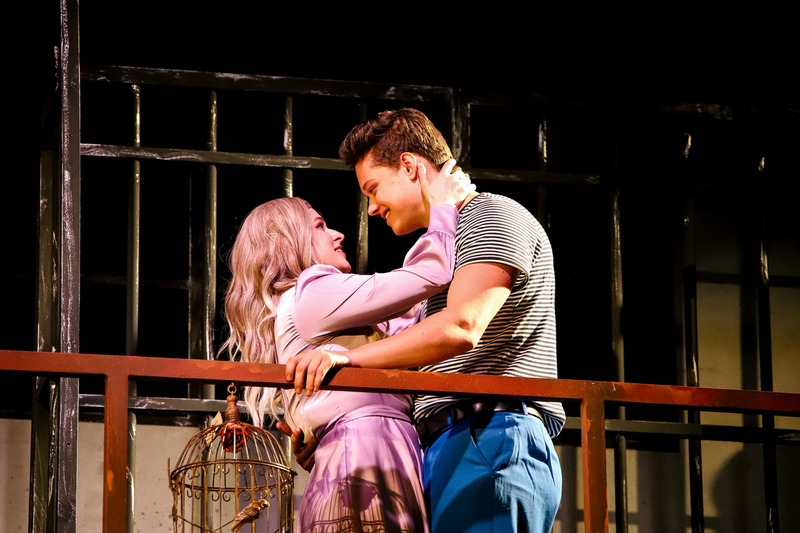
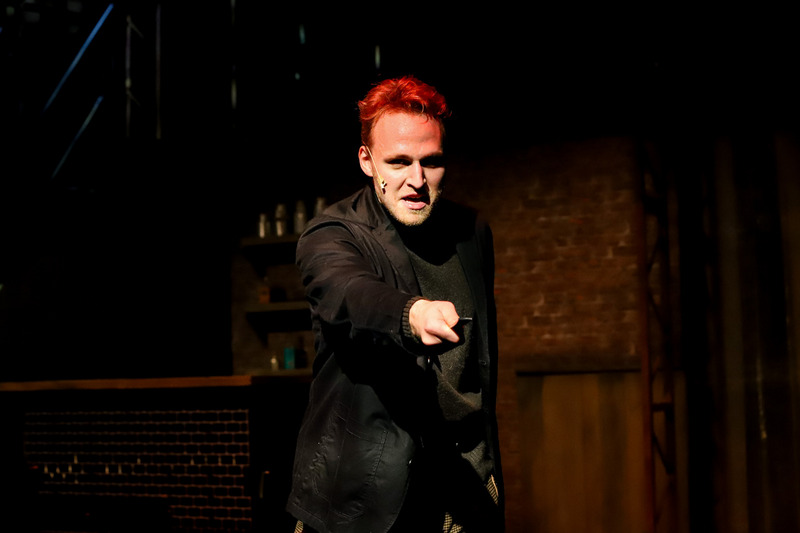
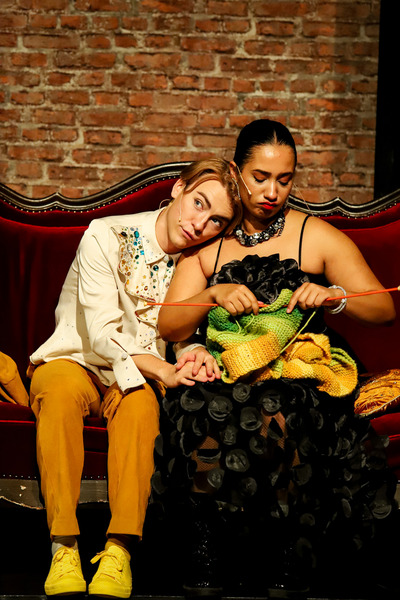
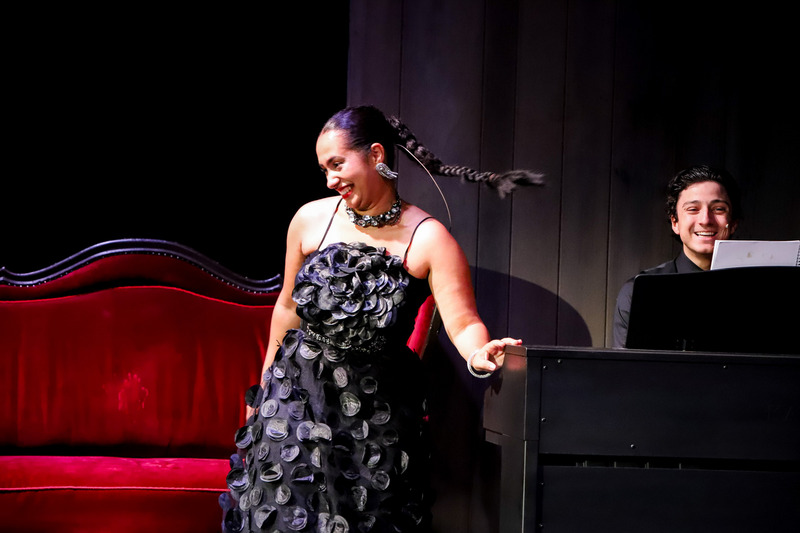
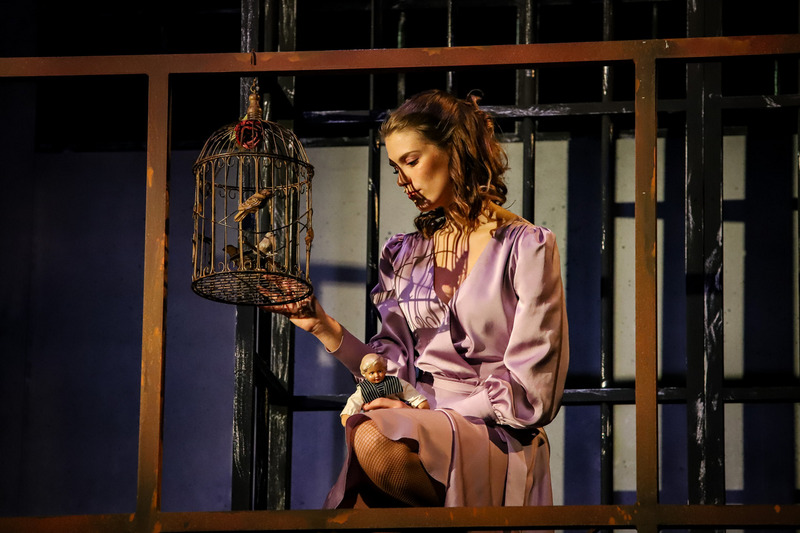
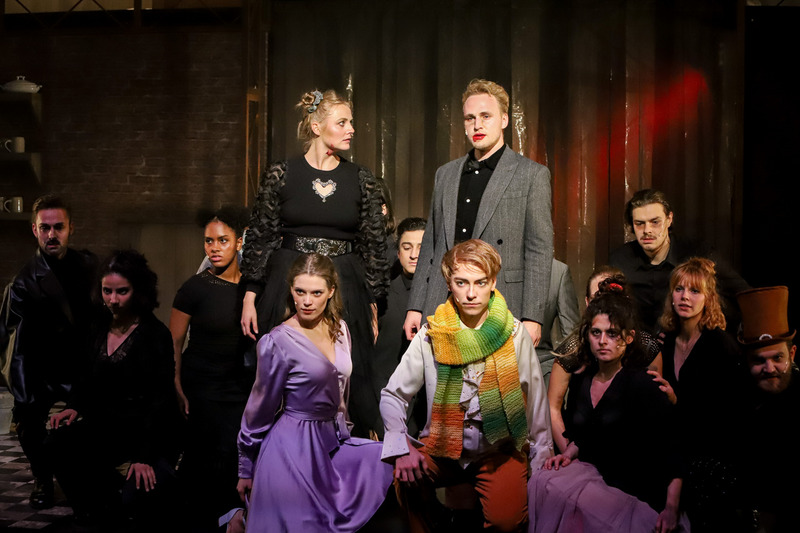
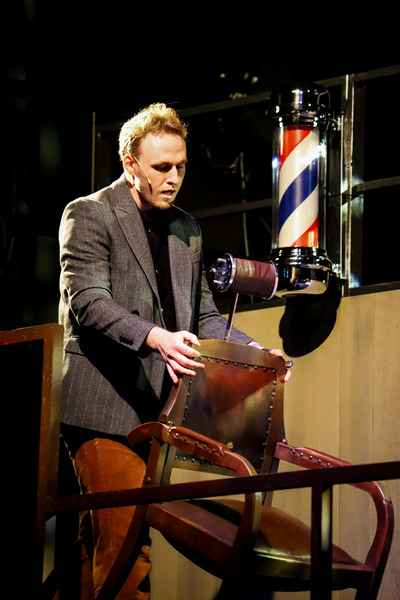
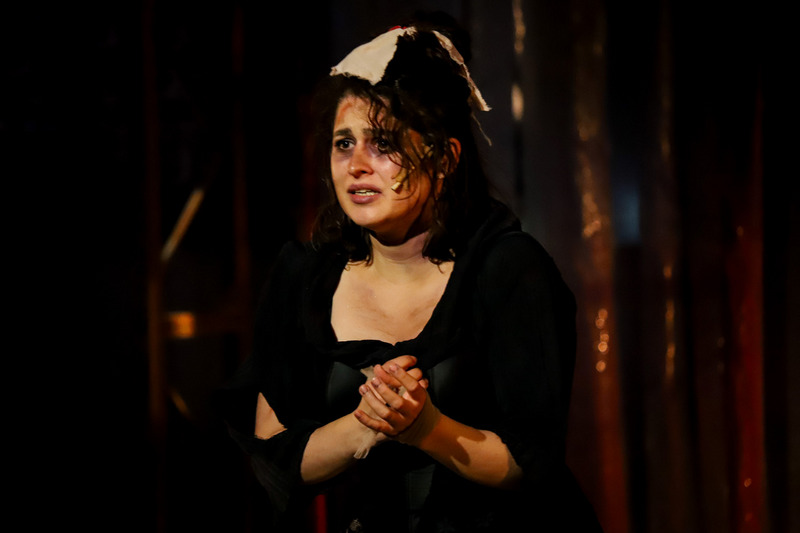
SWEENEY TODD
The Demon Barber of Fleet Street
A musical thriller by Stephen Sondheim
Music and lyrics:Stephen Sondheim
Book:Hugh Wheeler
Based on the play of the same name by:Christopher Bond
German version:Wilfried Steiner and Roman Hinze
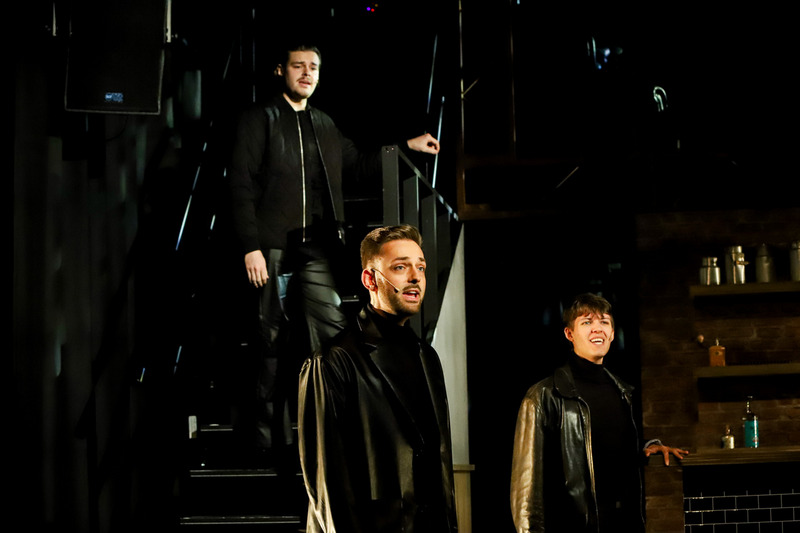
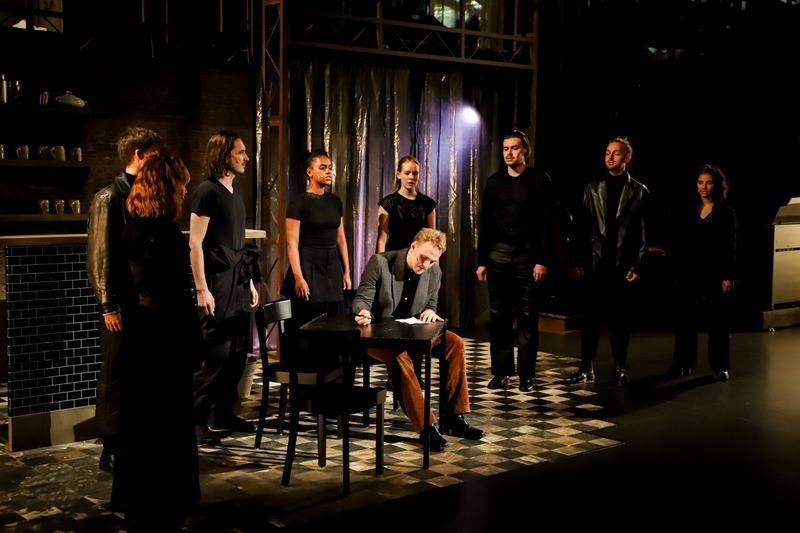
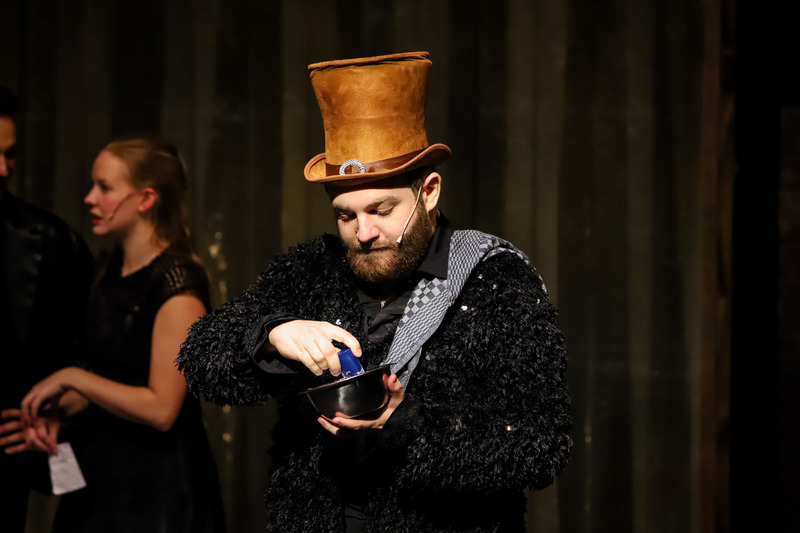
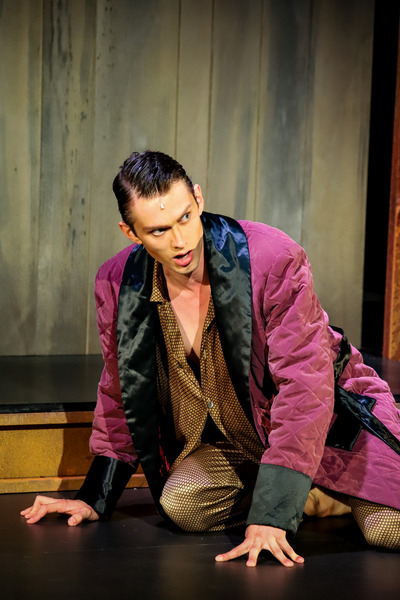
“Sweeney Todd, The Demon Barber of Fleet Street” from 1979 adapted an early Victorian melodrama in a combination of Grand Guignol and bitter satire and was Sondheim's most complex score up to that point. “Sweeney Todd” was one of Sondheim's most successful pieces and earned him another Tony Award. Altogether, the piece won nine Tony Awards. While a number of Sondheim's pieces have been successfully revived in commercial theaters, “Sweeney Todd” and “A Little Night Music” have also found a second home in the world's opera houses.
“Sweeney Todd” marked the high point of Sondheim's long collaboration with Harold Prince. Even though the story of “Sweeney Todd” is set in London, both the language and the music are universally located in a timeless space. The various characters define different forms of “breaking bad”. Sweeney Todd is not evil by nature, and Mrs. Lovett too is driven by financial hardship and pressures that lead her to inhuman ideas. Judge Turpin is most likely a character who is led into evil by “status”, the Beggar Woman was a victim of sexual violence and the Beadle is corrupted by the desire for power.
The only three characters who do not switch to the dark side are the three young characters Anthony, Tobias and Johanna. Stephen Sondheim lets only these three characters survive and thus gives a clear interpretation of the way out of the spiral of evil.
TEAM AND CAST:
Musical direction:Christopher Wasmuth
Staging, costumes, lighting:Sascha Wienhausen
Stage design:Alexander Kubica
Choreography:Michael Schmieder
Sound:Jan-Hendrik Kramer
Assistant directors:Christoph Gründinger, Janina Steinbach, Leo Taubert
Technical director:Tristan Seiger
Sweeney Todd:Leander Bertholdt
Mrs. Nellie Lovett:Natalie Friedrich / Uzoh
Anthony Hope:Dominik Räk
Johanna Barker:Leonie Dietrich / Annemarie Purkert
Tobias Ragg:Richard Fuchs
Judge Turpin:Yannic Blauert
Beadle Bamford:Pascal Schmid
Adolfo Pirelli, Mr. Fogg:Stefan Schößwendter
Beggar Woman:Leonie Dietrich / Annemarie Purkert
Ensemble:Salyma Chatty, Nuno Dehmel, Amani El-Sadek, Tobias Gerisch, Laetitia Hippe, Daniel Nothnagel, Tim Stollberg, Pauline Weschta
Photos:Janina Steinbach
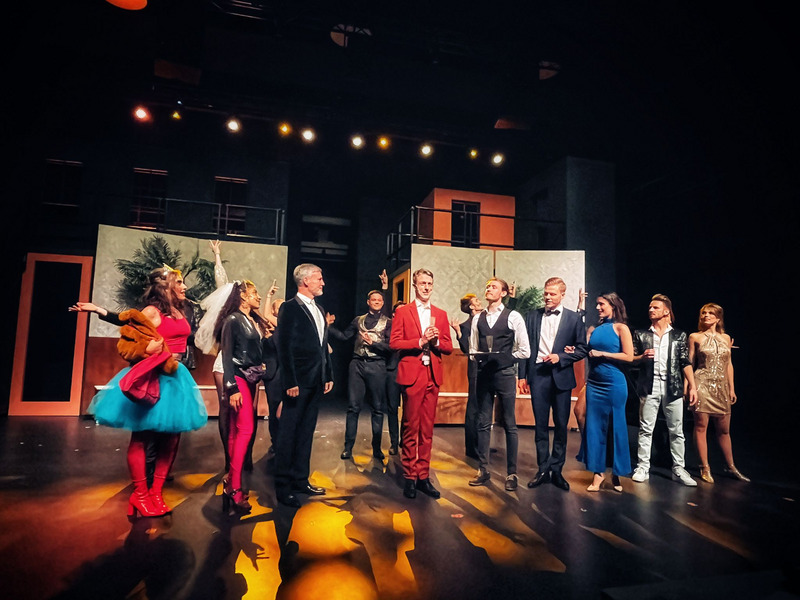
SOHO CINDERS
Musical by George Stiles, Anthony Drewe and Elliot Davis
Music:George Stiles
Book and lyrics:Anthony Drewe and Elliot Davis
German translation:Holger Hauer
For the first time in German in the Plektrum of the Institute of Music at Osnabrück University of Applied Sciences, premiere: October 7, 2022
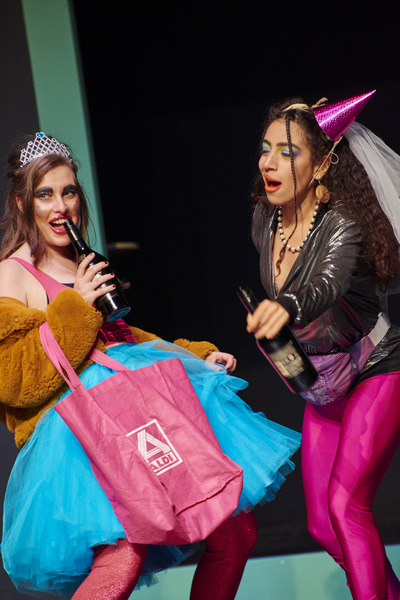
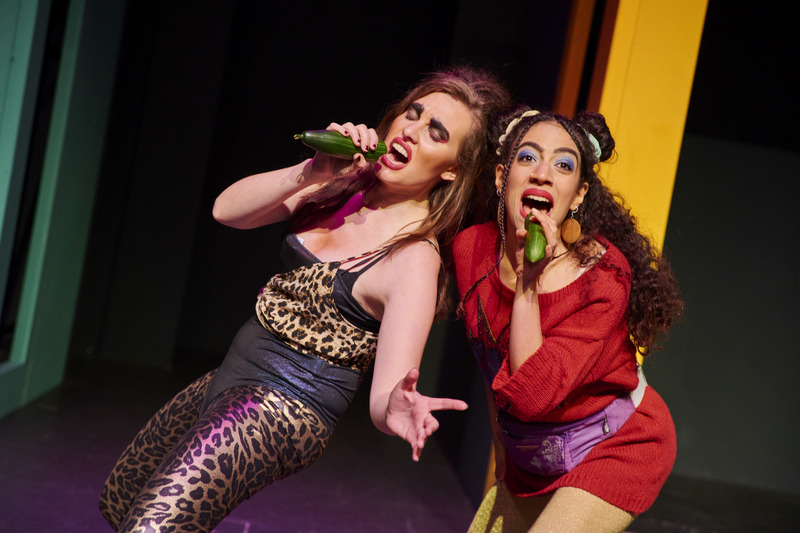
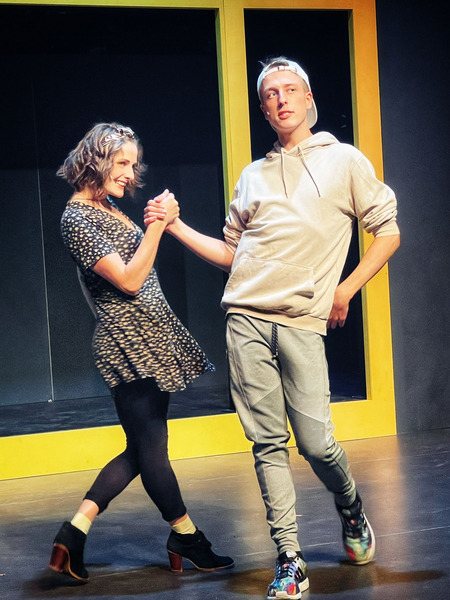
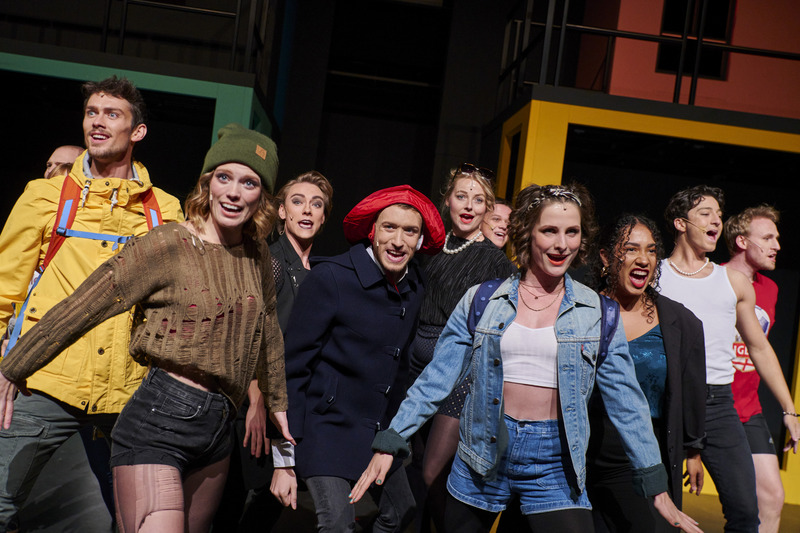
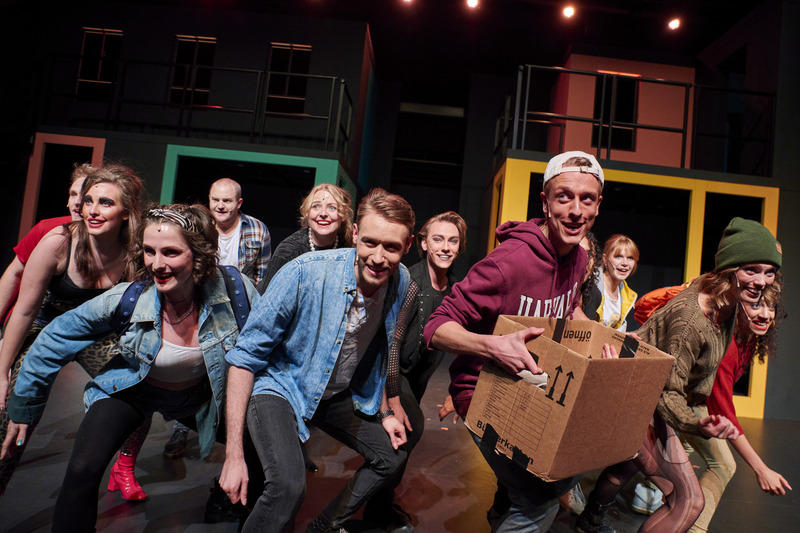
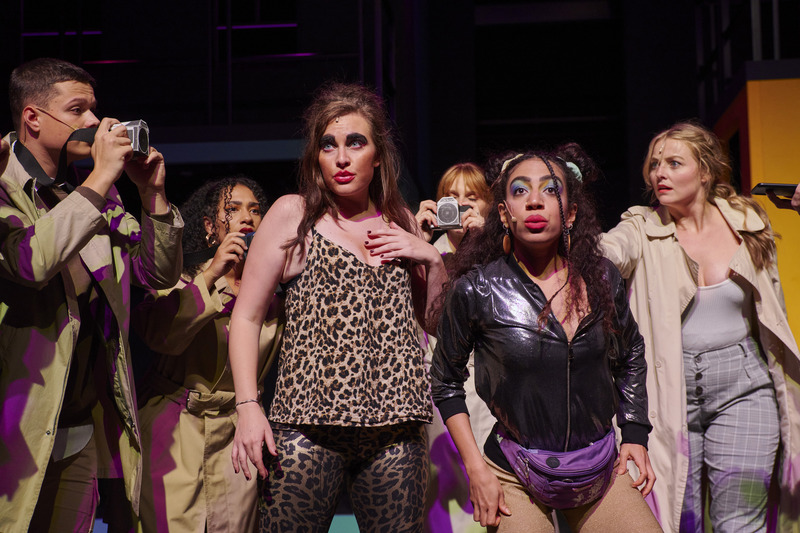
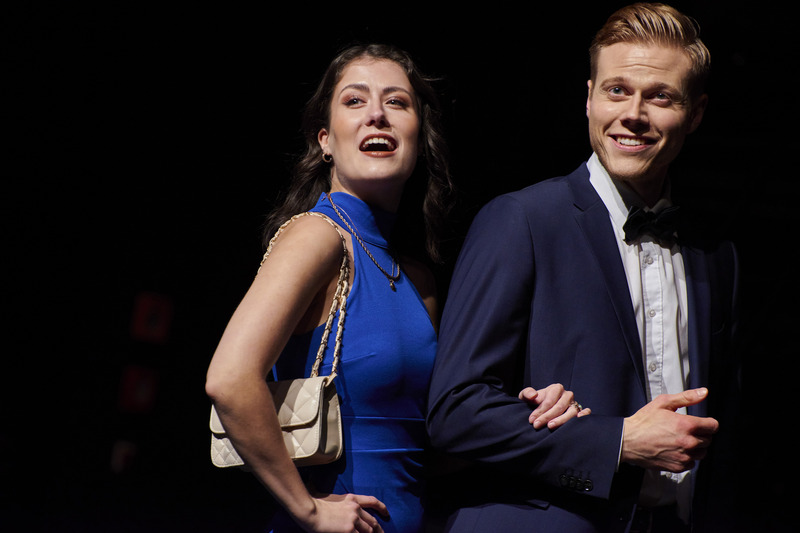
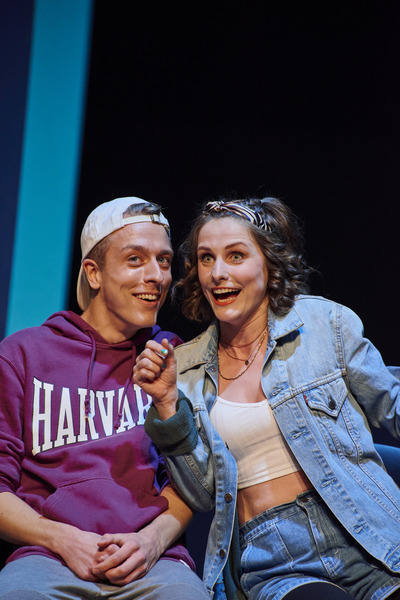
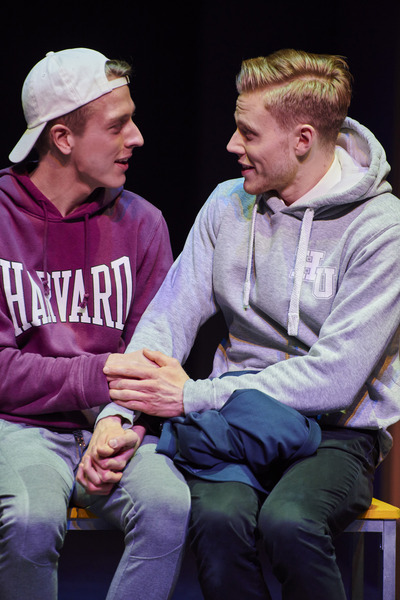
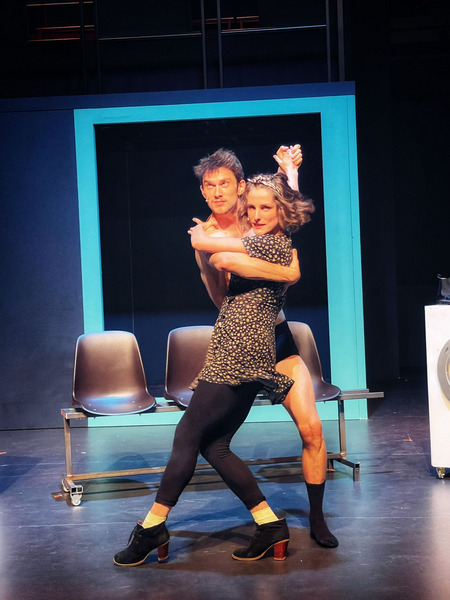
“Soho Cinders” is a musical with music by George Stiles and lyrics and book by Anthony Drewe, with Elliot Davis as co-author. After many musical adaptations, from Rossini (La Cenerentola) to Walt Disney, “Soho Cinders” is a very modern adaptation of the Cinderella story. “Soho Cinders” moves the plot to the heart of London's Soho district and makes Cinderella a young man. Politics, sex scandals and true love are woven into a story about an impoverished student who pays his college bills in a somewhat unorthodox way. The worlds of London mayoral candidate James Prince, who is engaged, and Robbie collide and force both of them to fight for their own fairy-tale ending in a comic, satirical variation of the classic Cinderella story.
George Stiles and Anthony Drewe began working on Soho Cinders in 2000, after coming up with the idea in the 1990s of updating and modernizing a very simple version of Cinderella. Although the musical was almost finished, the two were busy with other projects such as “Honk”, “Betty Blue Eyes” and “Mary Poppins”, which held up their progress on “Soho Cinders”.
Compared to their earlier work, Stiles and Drewe describe “Soho Cinders” as rawer and more "grown-up", satirical and political. On the duo's website, Soho Cinders is described as a "fable for the noughties", inspired both comically and romantically by musicals such as Guys and Dolls.
TEAM AND CAST:
Musical direction:Martin Wessels-Behrens
Director:Christian Stadlhofer
Choreography:Vanni Viscusi
Stage design:Jörg Brombacher
Robbie:Niklas Roling
Velcro:Clara Hendel
Clodagh:Manar Elsayed
Dana:Anna Fink
James Prince:Patrick Bertels
Marilyn Platt:Hannah Miele / Natalie Friedrich
William George:Sandro Wenzing / Yannik N. Blauert
Lord Bellingham(guest): Mario Zuber
Sasha:Leonie Dietrich
Narrator:Benny Meisenberg
Ensemble:Leander Bertholdt, Yannik N. Blauert, Leonie Dietrich, Natalie Friedrich, Richard Fuchs, Dominik Räk, Pascal D. Schmid, Stefan Schößwendter, Jamie-Lee Uzoh, Pauline Weschta
Photos: Björn Hickmann(1-4, 7-12), Gesche Tebbenhoff(5+6)

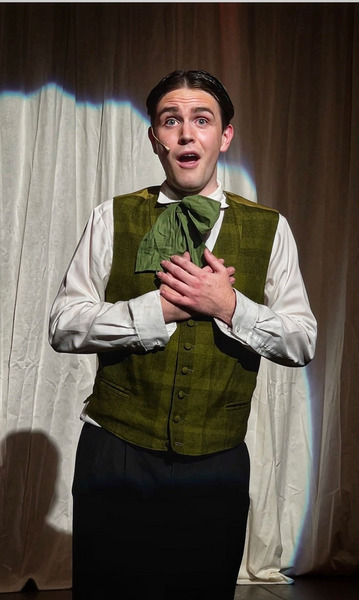
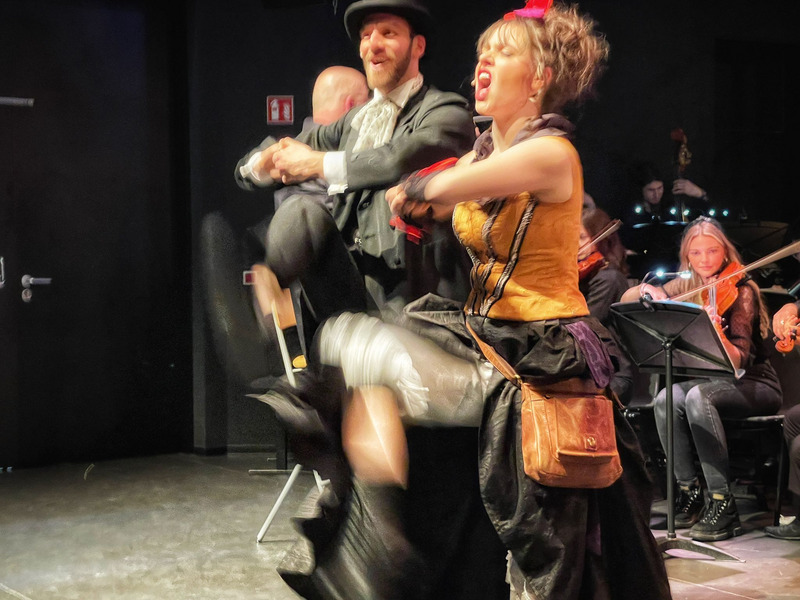
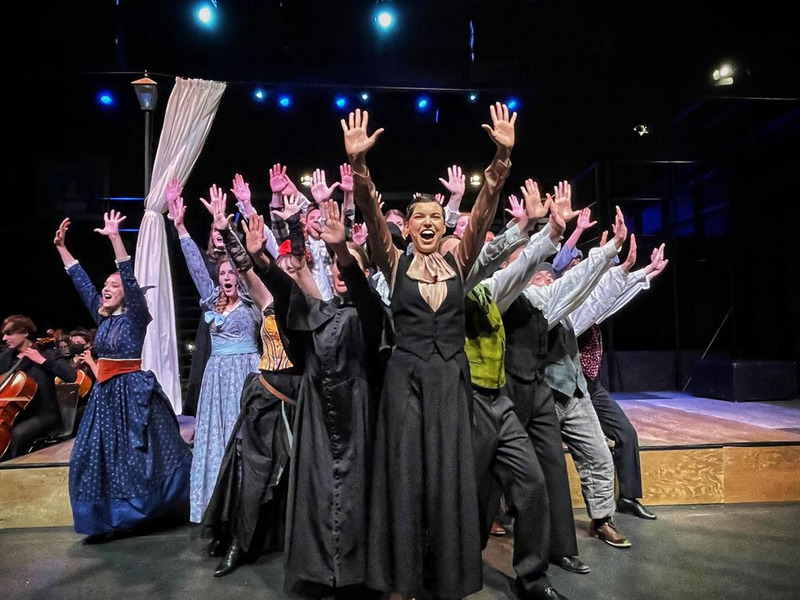
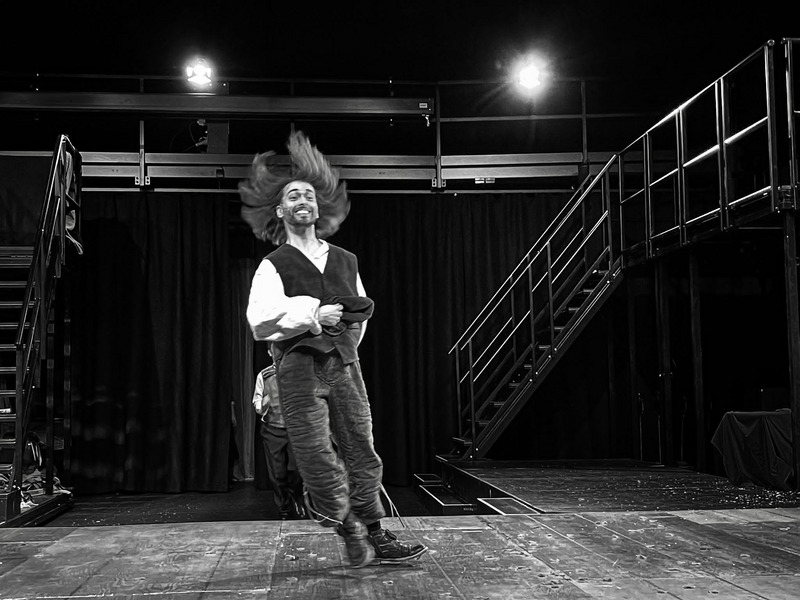
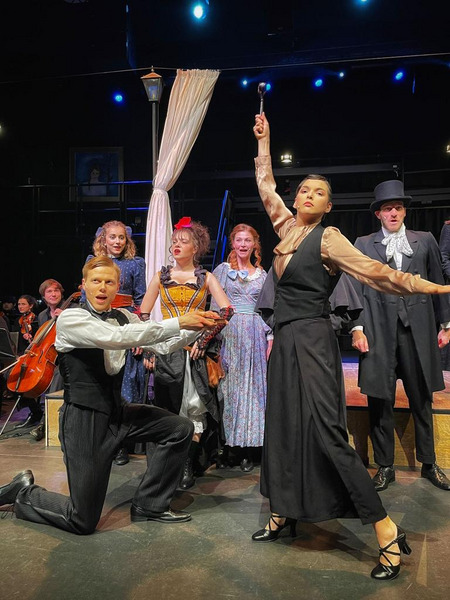
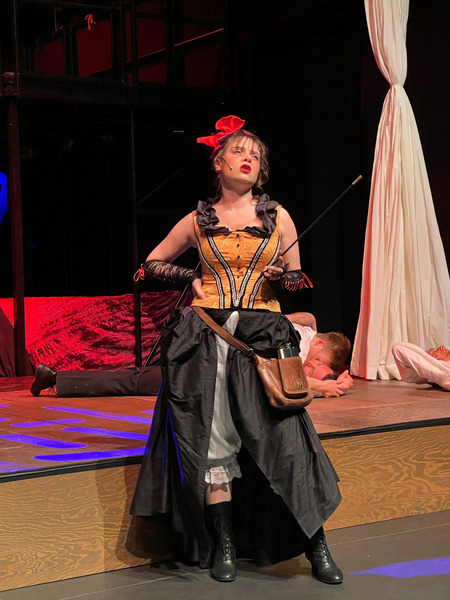
THE MYSTERY OF EDWIN DROOD
Musical in two acts by Rupert Holmes, based on the unfinished novel by Charles Dickens
Music, book and lyrics: Rupert Holmes
German translation: Markus Weber
The musical „Das Geheimnis des Edwin Drood“ was created as a production of Joseph Papp's New York Shakespeare Festival and was first performed between August 4 and September 1, 1985 at the Delacorte Theater, New York's summer stage in Central Park. Six parts of Charles Dickens's novel „The mystery of Edwin Drood“ had appeared in „All the Year Round“ (London) in 1870 when the author died unexpectedly on June 9, 1870. Not even the notes found among his papers reveal the fate he intended for his character Edwin Drood, the one who disappears. The fate of the title character thus remains a mystery forever. However, there are more than two hundred literary attempts to complete the fragment.
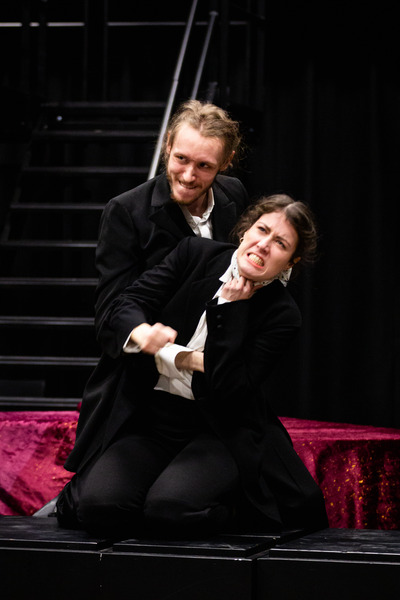
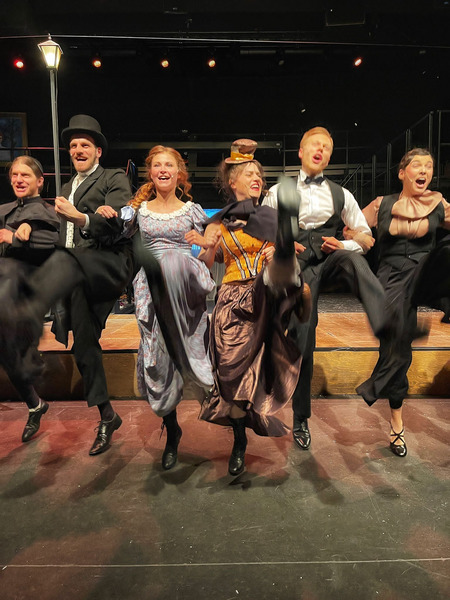
In the idyllic English town of Cloisterham, young Edwin Drood disappears under mysterious circumstances. When his coat is found with traces of blood, everyone agrees: he was murdered. Many of the town's residents are suspects, such as Edwin's supposed fiancée Rosa Bud, his shady uncle John Jasper, the siblings Neville and Helena Landless or the opium-addicted cantor. But who is the culprit in the end? This is where Charles Dickens's unfinished novel ends. The question of how the piece should now be completed is also faced by the theater company rehearsing the piece in London in 1873 and wanting to stage it. In order to bring it to the stage, the director of the company resorts to a trick: six different endings are presented to the audience. Not only is the criminal case examined from different angles; the rivalry among the actors is also revealed. For in the play, the actors want to use the opportunity to convince the audience of themselves and their guilt and – after a vote – to be allowed to sing the final song. And so the director leaves it to the audience to decide the outcome of the case and thus the end of the show.
TEAM AND CAST:
Director: Prof. Sascha Wienhausen
Musical direction: Christopher Wasmuth
Choreography: Michael Schmieder
Stage and costume design: Ulrike Reinhard
Mrs. Cartwright, Principal / Mrs. Sapsea: Lucia Bernades-Cavallini / Hannah Miele
John Jasper: Lénárd Kokai
Reverend Crisparkle: Alexander Irrgang
Edwin Drood: Tanja Beutenmüller
Rosa Budd: Melanie Möller
Helena Landless: Sanja Färber
Neville Landless: Lukas Kenfenheuer
Durdles: Lukas Jakob
Assistant (Durdles' daughter): Manar Elsayed
Princess Puffer: Viola Wanke
Bazzard / Waiter: Frederik Stuhllemmer
Wendy: Franziska Wagner
Beatrice: Clara Marie Hendel
Drood's Shadow: Hannah Miele
Jasper's Shadow: Benny Meisenberg
Horace: Niklas Roling
Purcell: Christopher Wasmut
Throttle / Stage manager / Bartender: Patrik Bartels
Deputy: Sandro Wenzig
Photos: Gesche Tebbenhoff




RUTHLESS (Rücksichtslos)!
Musical by Marvin Laird and Joel Paley
Music:Marvin Laird
Book and lyrics:Joel Paley
German translation: Martin Wessels-Behrens and Judith Behrens
German premiere on October 9, 2020 at the Theater am Limberg, Osnabrück
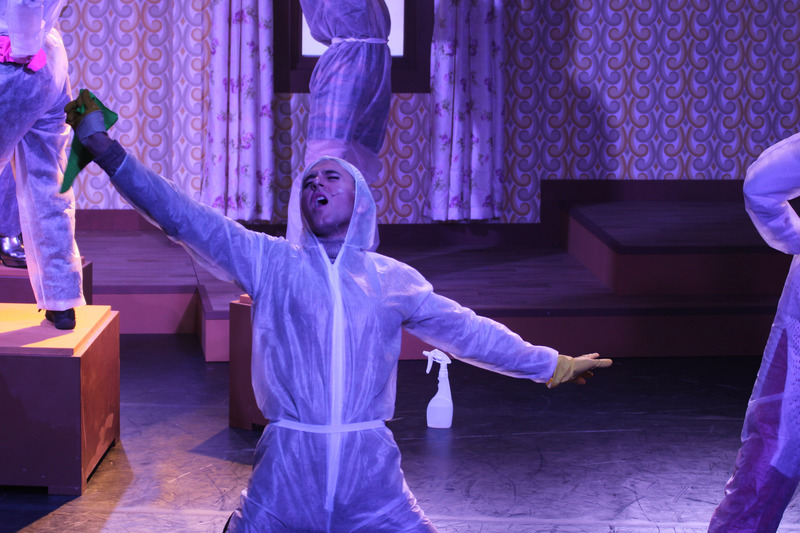
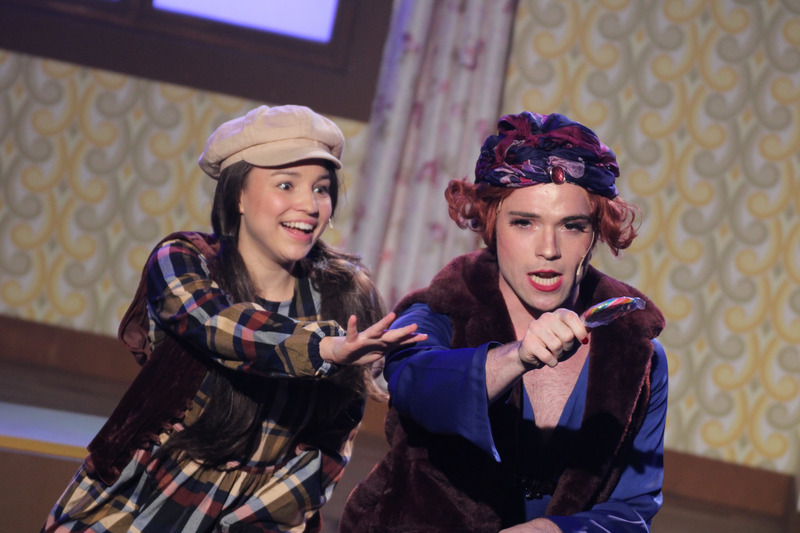
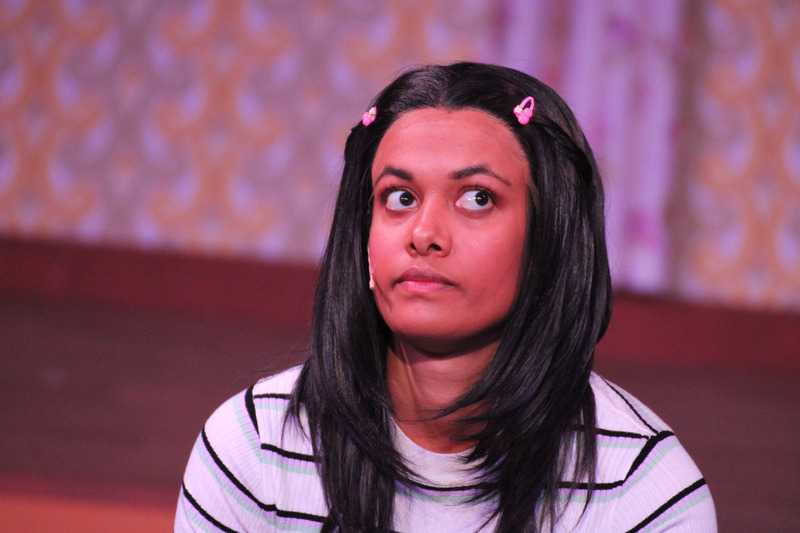
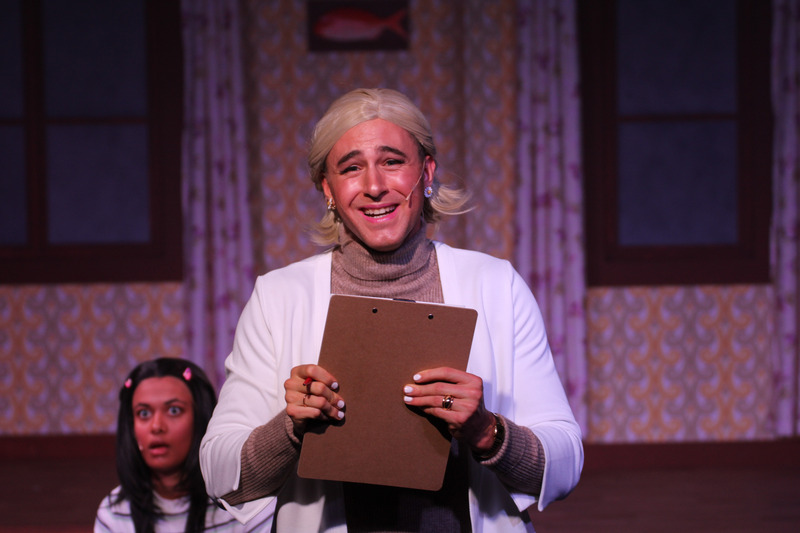
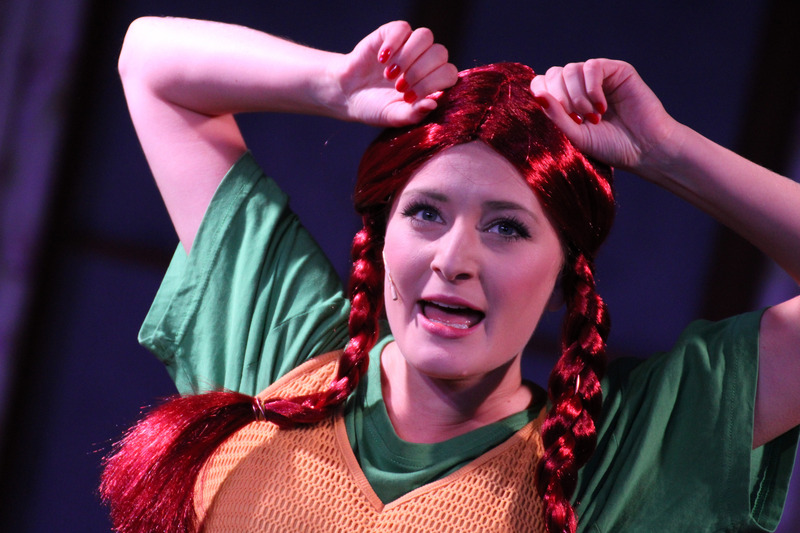
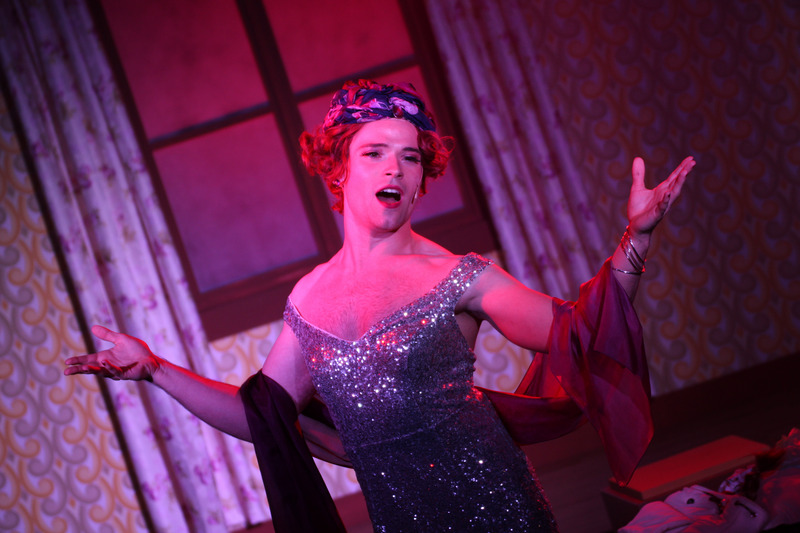
The musicalRuthless!premiered off-Broadway in 1992, had a very successful revival there in 2015 and premiered in a revised version in London's West End in 2018. Marvin Laird composed the music. Book and lyrics were written by Joel Paley, who also wrote Broadway musicals such as “Gypsy” and “Mame” and wrote lyrics for films such as “The Bad Seed” and “All About Eve”. As a German premiere, the piece is being shown in the London version at the Institute of Music at Osnabrück University of Applied Sciences in a translation by Martin Wessels-Behrens and Judith Behrens. On stage are the students of the graduating class of the IfM's Musical program.
Ruthless!takes its audience back to the 1950s and tells the story of the naive housewife Judy and her adorable but sociopathic eight-year-old daughter Tina. Encouraged by her manager Sylvia, Tina will do ANYTHING to get the lead role in a school play – including murdering the leading actress! In the second act, the plot comes to a head: after Tina has been convicted of her deed, she is sent to a reform school for psychopathic geniuses. Meanwhile, Judy has learned from her adoptive mother that her biological mother was a famous actress. She then discovers her own talent and decides to become famous herself. But in her life as a Broadway diva, too, fateful, murderous entanglements take their course ….
In 1992,Ruthless!won the “Drama Desk Award” for best lyrics, and in 1993 the “Outer Critics Circle Award” for best off-Broadway musical. In 2002, it won awards at the “Musical Stages Magazine Awards” for best musical production, best director, best actress, best actor, best music, best lyrics and best book.
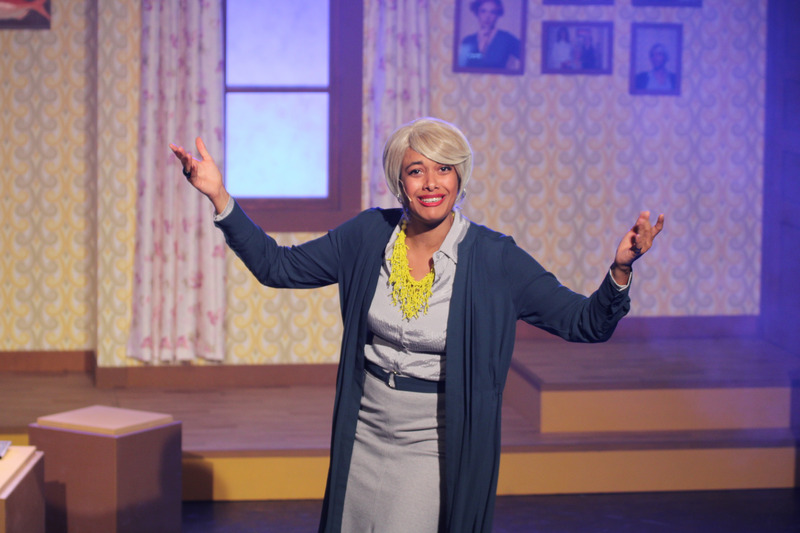
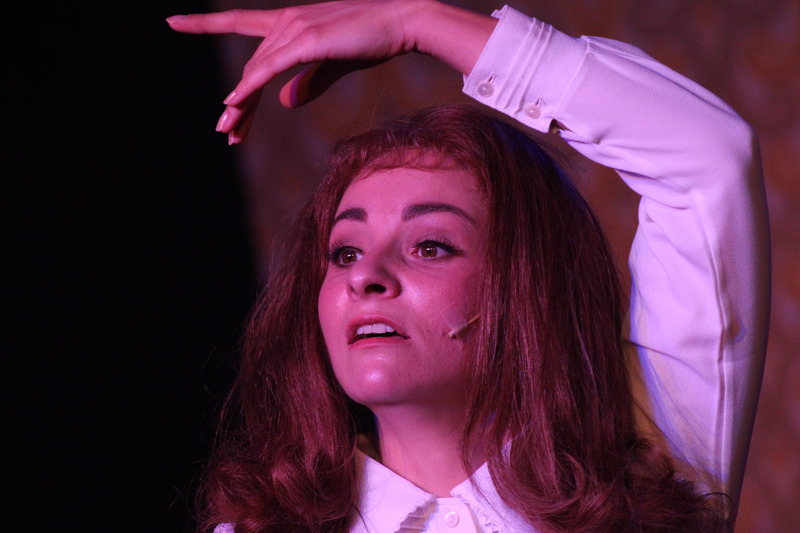
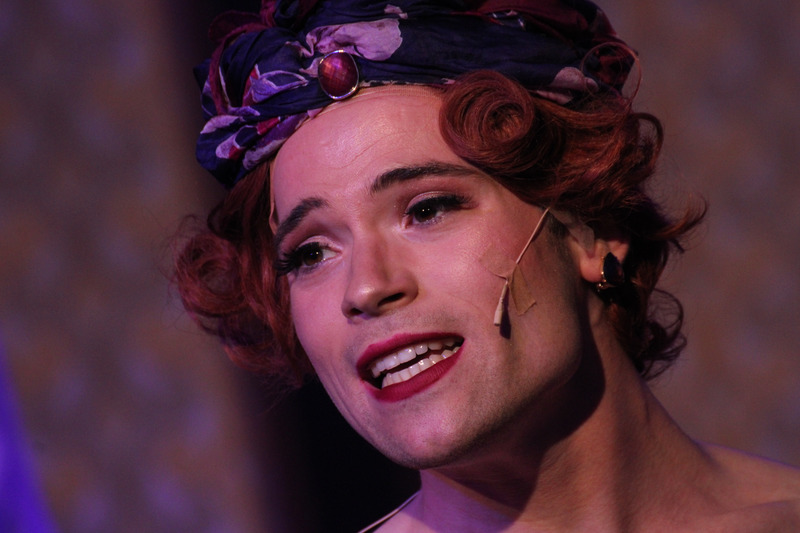
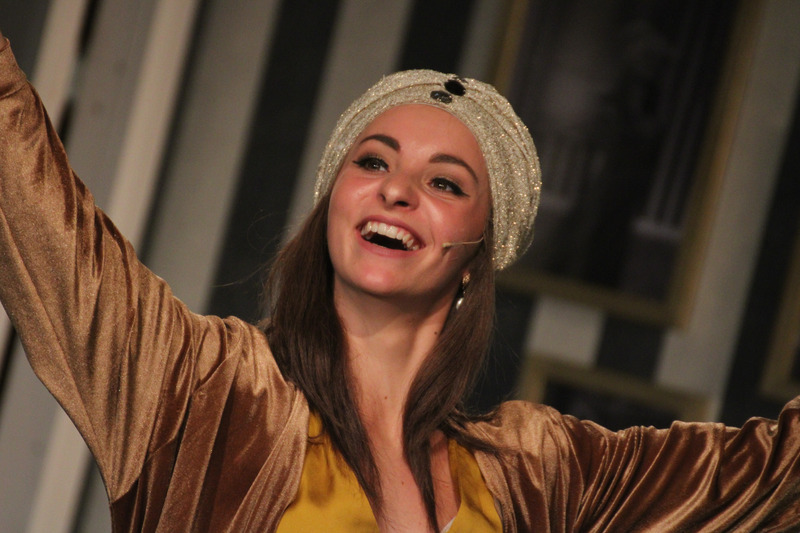
The musical actually only has female roles. In the German premiere at the IfM, directed by Christian Stadlhofer, the musical students of the graduating class deal with these role assignments in an unconventionally creative way …
CAST
Director:Christian Stadlhofer
Musical direction:Martin Wessels-Behrens
Stage design:Jörg Brombacher
Choreography:Prof. Michael Schmieder
Production management:Prof. Sascha Wienhausen
Sylvia St. Croix:Pascal Schürken
Judy Denmark / Ginger DelMarco:Kristina Fehse
Tina Denmark:Magdalena Allgaier
Miss Thorn / Judge / Host: Elias Fischer
Louise Lerman / Eve / Prosecutor:Rahel Wissinger
Lita Encore / Rachel Hobbs:Cassandra Schlenker

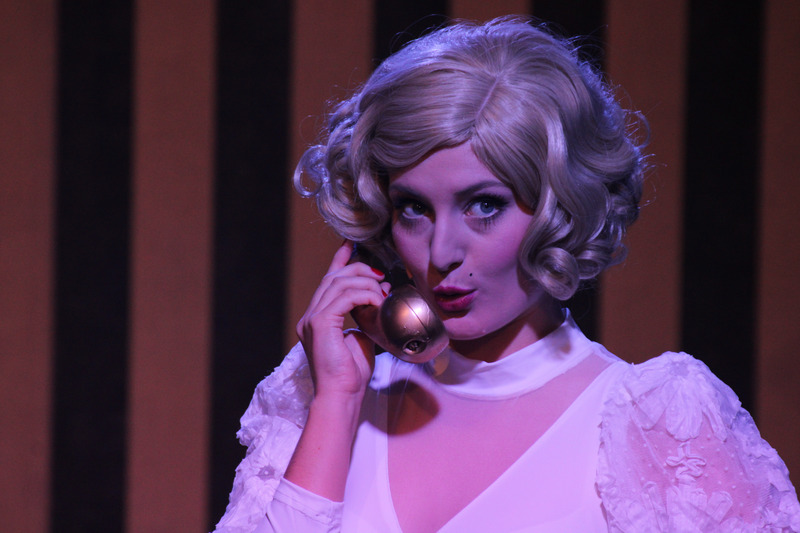
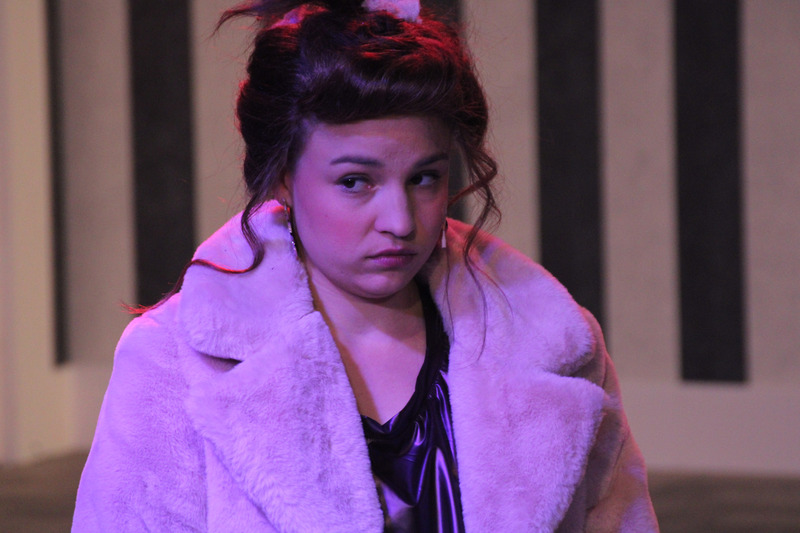
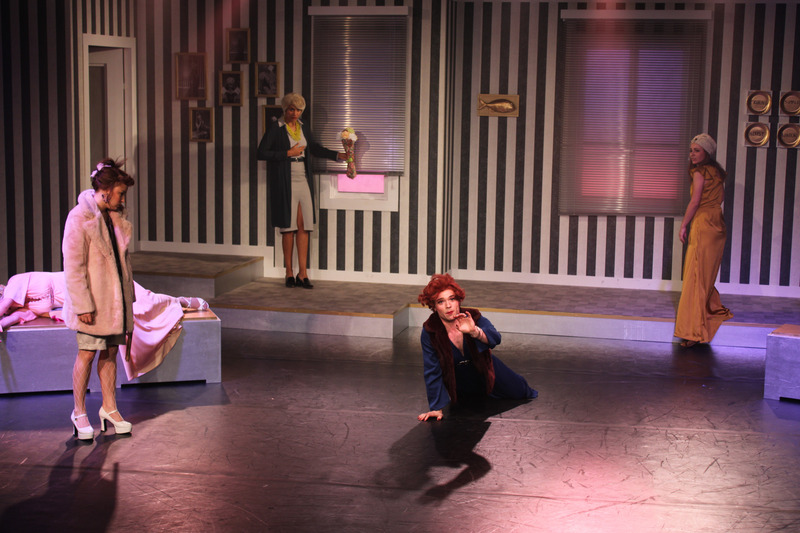
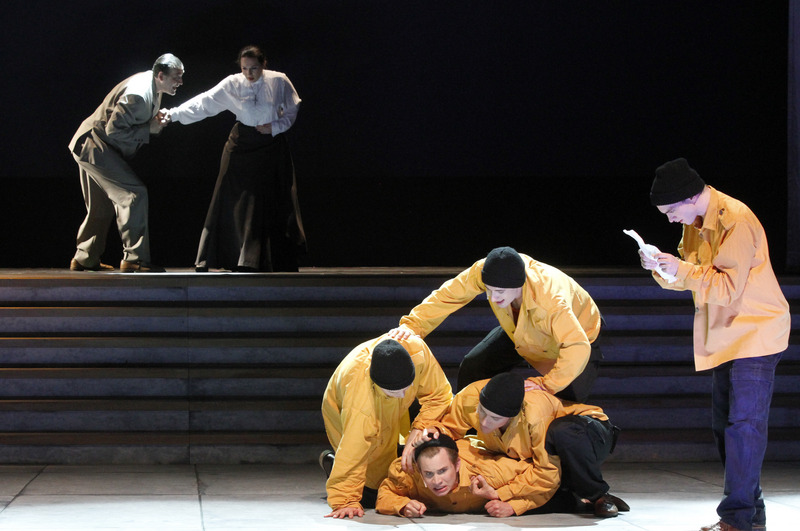
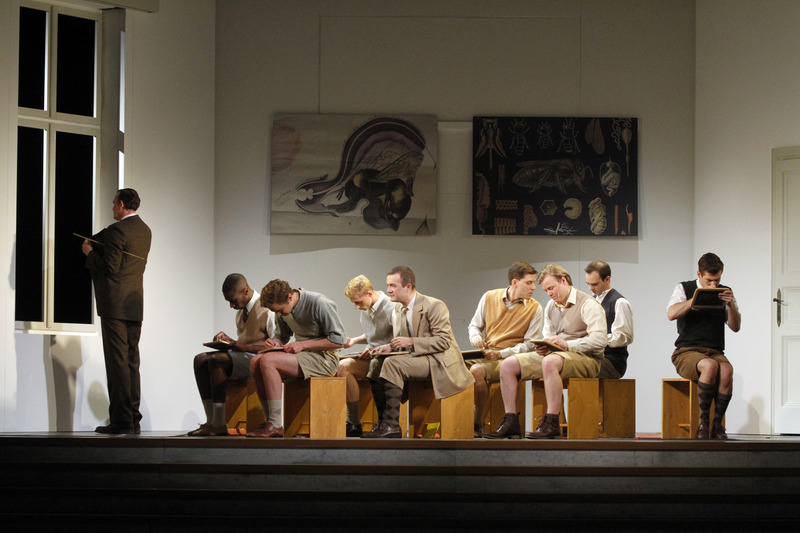
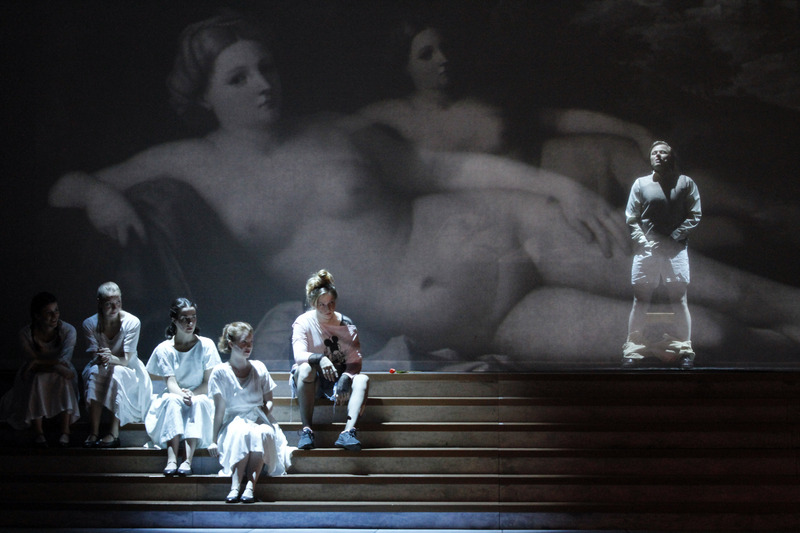
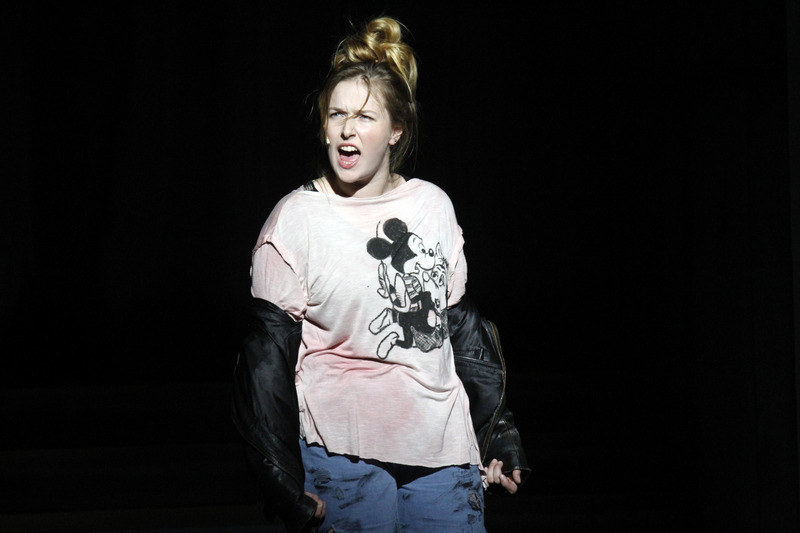
SPRING AWAKENING
Musical by Steven Sater and Duncan Sheik, based on the play by Frank Wedekind
Book and lyrics by Steven Sater
Music by Duncan Sheik
Based on the play by Frank Wedekind
German by Nina Schneider
Premiere on June 15, 2019 at Theater Hagen
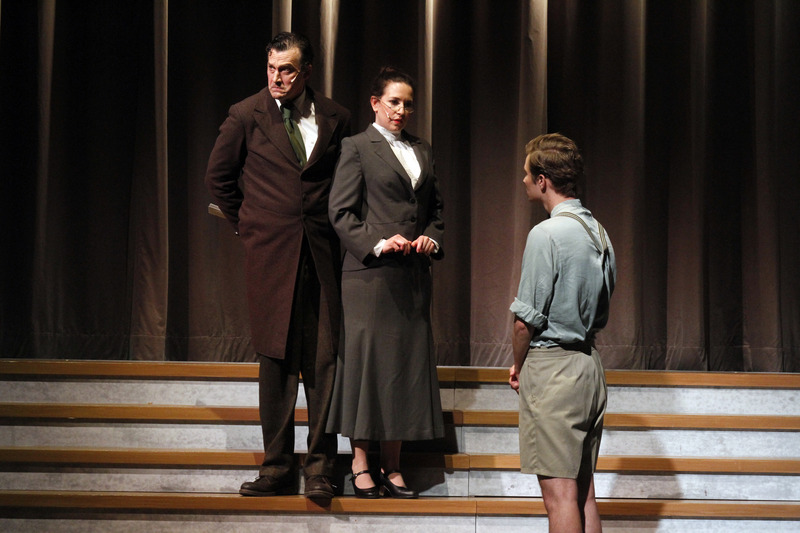
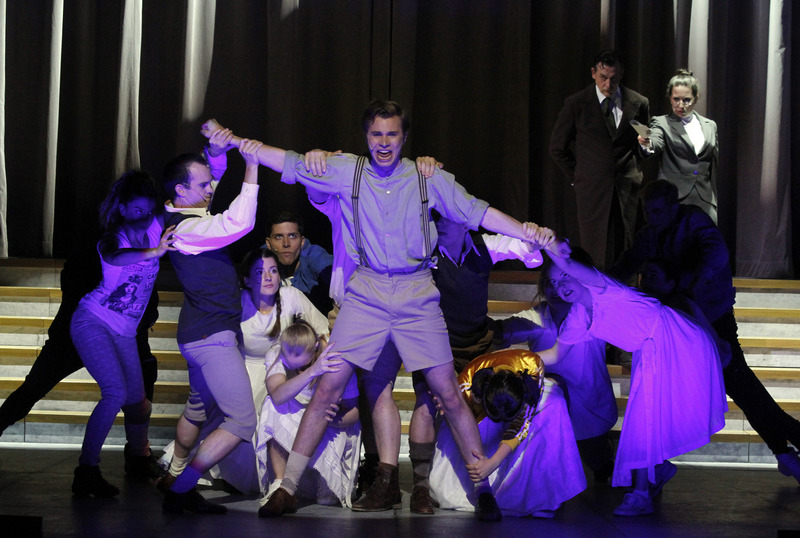
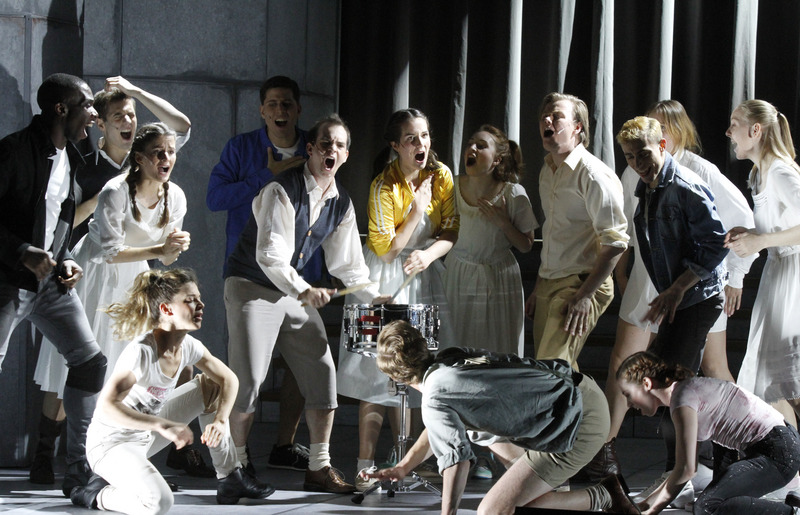
Spring Awakeningtells of growing up, of awakening sexuality, but also of conflicts between parents and children. Germany 1891, somewhere in a small town: Melchior, the top student in the class, is inspired by the spirit of enlightenment. His best friend Moritz, consumed by a self-destructive obsession, cannot keep up with the workload at school. Wendla wants her mother to explain the facts of life to her, but only gets evasions in reply. With their curiosity about sexual topics and their pointed questions, they are all left alone by their parents and teachers. When Melchior and Wendla discover their love, the young people are drawn into fateful waters.
Spring Awakeningmanages the balancing act of letting us still feel close to the characters from Wedekind's drama today: this is above all due to the music, which channels the young people's anger at sexual repression and their helplessness.
IfM professor Sascha Wienhausen had already staged the musicalsAvenue QandIn den Heights von New Yorkat Theater Hagen with great success. Together with Anja Schöne as co-director and Alfred Peter as designer, he has now broughtSpring Awakeningto the stage in Hagen.
Photos: Klaus Lefebvre
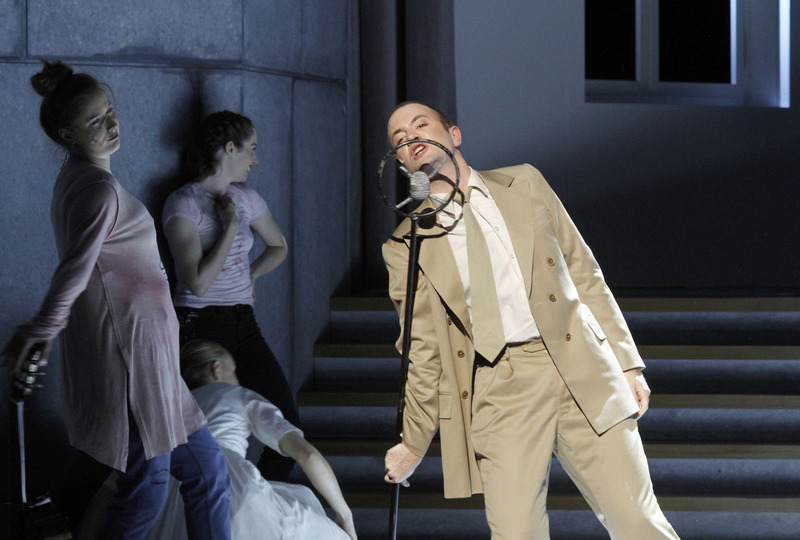
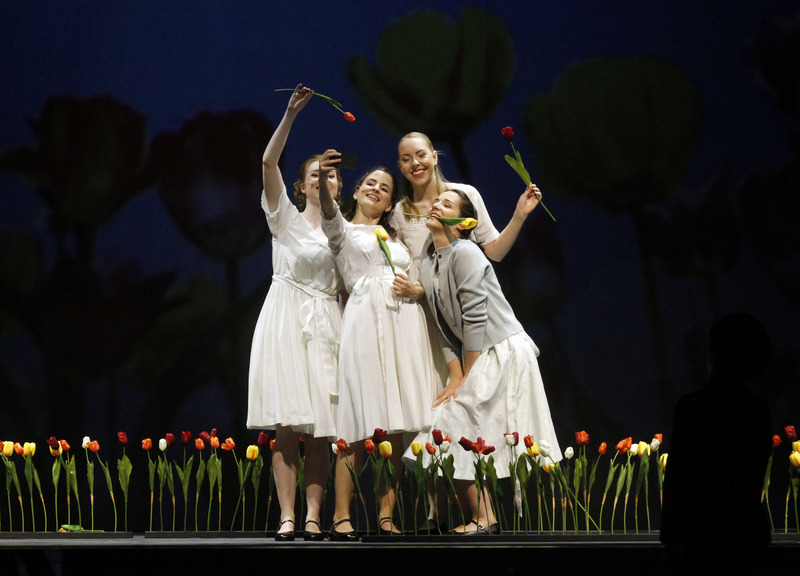
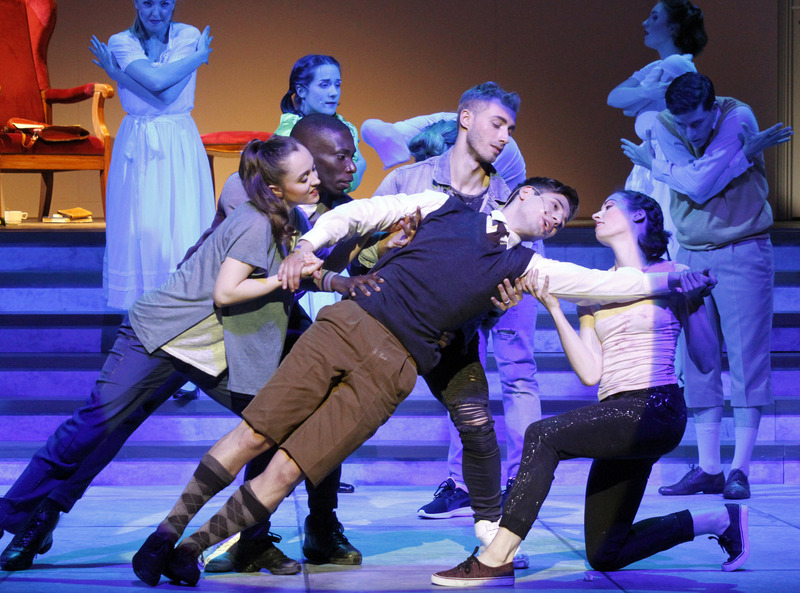
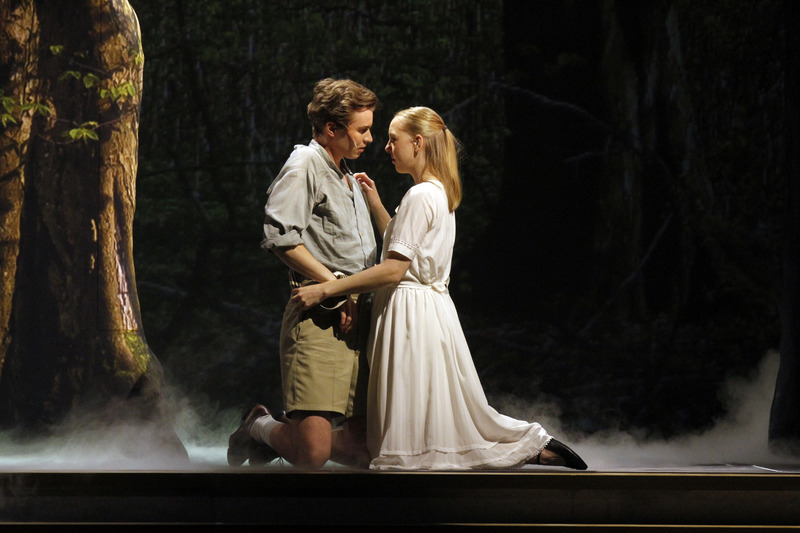
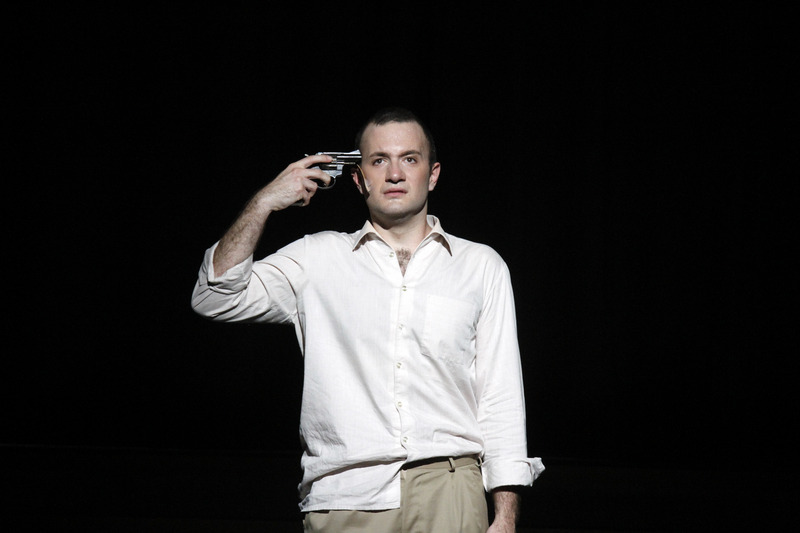
DIE BLUME VON HAWAII
OPERETTA BY PAUL ABRAHAM
Premiere on April 1, 2018 at Theater Osnabrück
There is love, a coup, dancing and singing. Driven by a longing for faraway places, the fast-paced jazz operetta "Die Blume von Hawaii" spins a lively, crazy but also lovingly tongue-in-cheek South Sea dream with obstacles. For all hell is breaking loose in Honolulu: the locals want to throw off the hated American foreign rule. And right in the middle of it all: a princess who could become the next Queen of Hawaii but prefers to remain incognito and poses as a French jazz singer; an American navy admiral in love with her; a Hawaiian prince-to-be believed lost – also in love with her. And that is not the end of the confusion ...
Director Felix Seiler studied music theater directing at the Theaterakademie Hamburg. He has a close working relationship with Barrie Kosky, artistic director and chief director of the Komische Oper Berlin, whom he assisted on the "Monteverdi cycle", "West Side Story" and "Ball im Savoy", among others. Felix Seiler is an alumnus of the "Akademie Musiktheater Heute" and was a semi-finalist at the Ring Award Graz in 2011 and a finalist at the European Opera Directing Prize in Madrid in 2015.
He has realized his own productions at the opera stabile of the Hamburg State Opera, the Biennale for Contemporary Music in Munich, the Kunstfestspiele Hannover Herrenhausen and the Komische Oper Berlin, among others. Osnabrück audiences already know the director from his successful musical production "The Addams Family".
IN DEN HEIGHTS VON NEW YORK
MUSICAL BY LIN-MANUEL MIRANDA, GERMAN BY LAURA FRIEDRICH TEJERO
Premiere September 16, 2017
»My mother is Dominican-Cuban, my father chileno, which means… I'm Chile-Domini-Cuban! But 'I'm from Queens,' I boldly say!«
Going further and further north from Manhattan – that is, uptown – does not exactly mean climbing the social ladder. Past Harlem, you finally reach the neighborhood that every upswing seems to have passed by. Here on the edge of the big city, of society, lie the Heights, more precisely Washington Heights.
Almost village-like structures shape life in the »barrios«, the neighborhoods of New York that are characterized by immigrants from Latin America. They have brought their joy of life and their belief in a better future from their home countries, and: their music. They have the hot rhythms of Latin America in their blood, mixed with hip-hop and R'n'B. They are the musical »next generation« of merengue and salsa. Just as the generation of the protagonists of the musical In the Heights is the next generation of immigrants.
The musical by the successful author Miranda is a true powerhouse of positive energy that tells the story of Usnavi, the likable owner of a corner store, Nina, who as a student is supposed to achieve social advancement, Benny, who loves her but does not belong to the Latino world, and Vanessa, who wants to move her hair salon to a better neighborhood.
With four Tony Awards, including Best Broadway Musical, a Grammy for Best Musical Theater Album and as a finalist for the Pulitzer Prize for Drama, the Latino rhythms have won over not only the hearts of audiences but also those of the experts.
Dynamic, funny and heartwarming, life in all its fullness whirls across the stage. And the questions are more topical than ever: how does society treat immigrants, and how do immigrants deal with their roots? – They dream of their homeland, only to realize in the end that they are already at home: in Washington Heights.
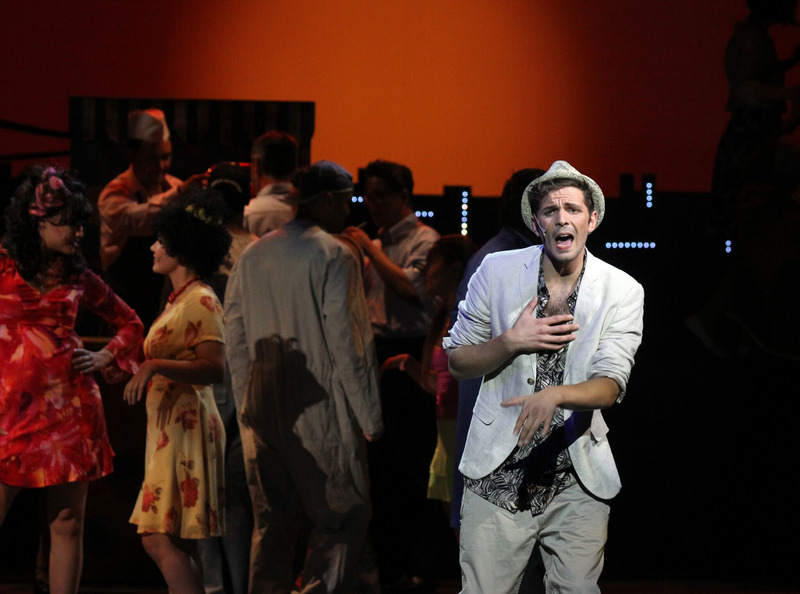
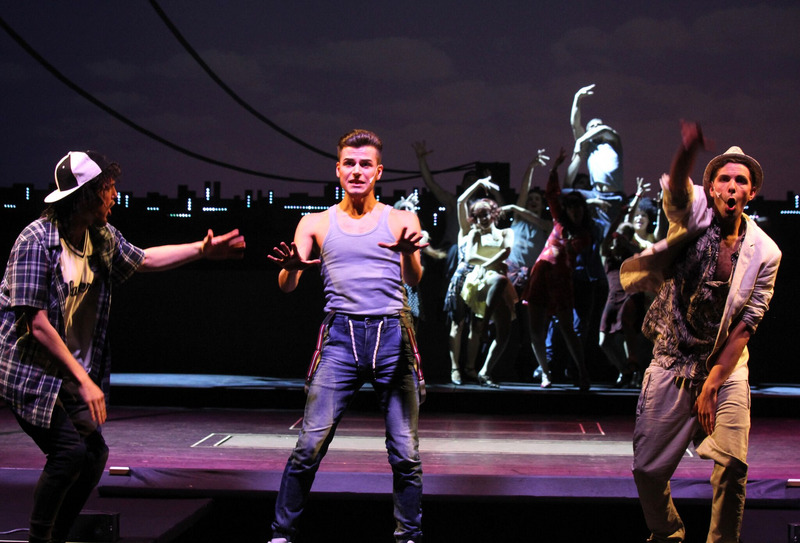
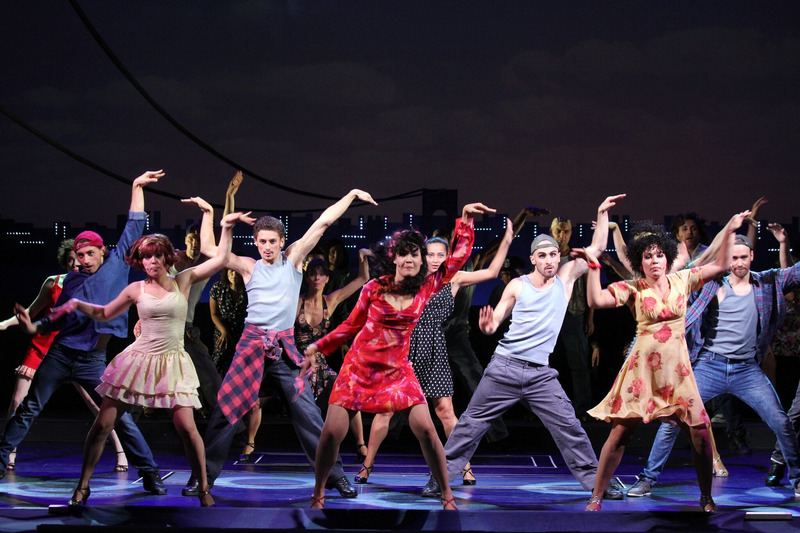

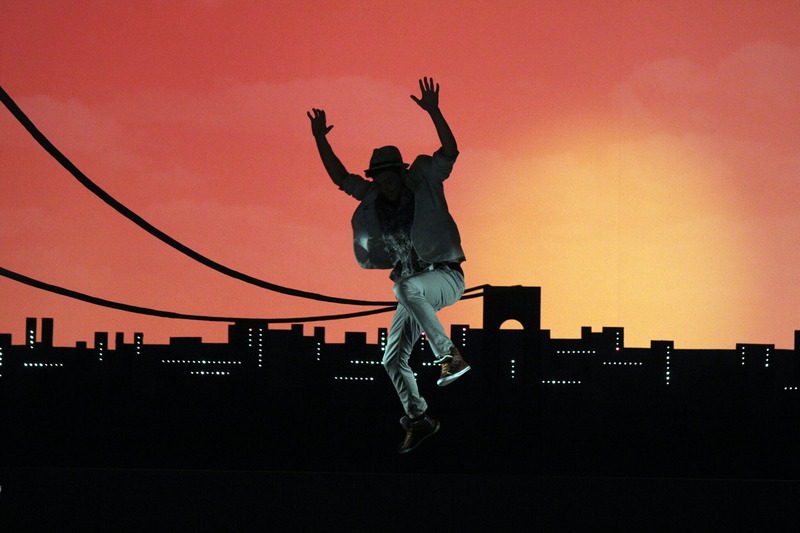
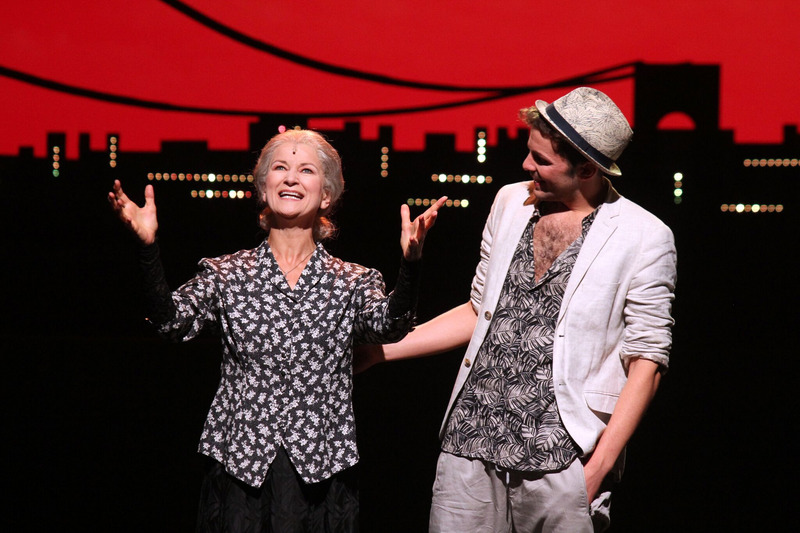
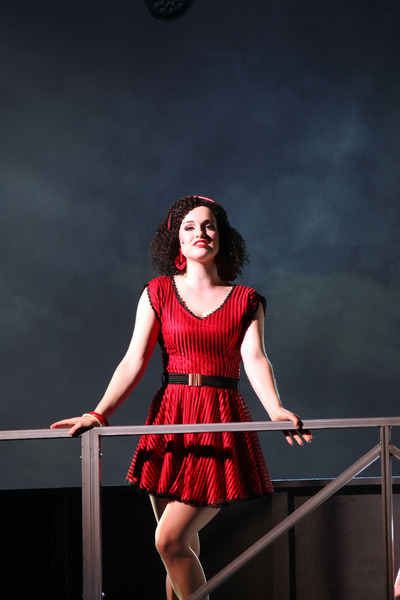
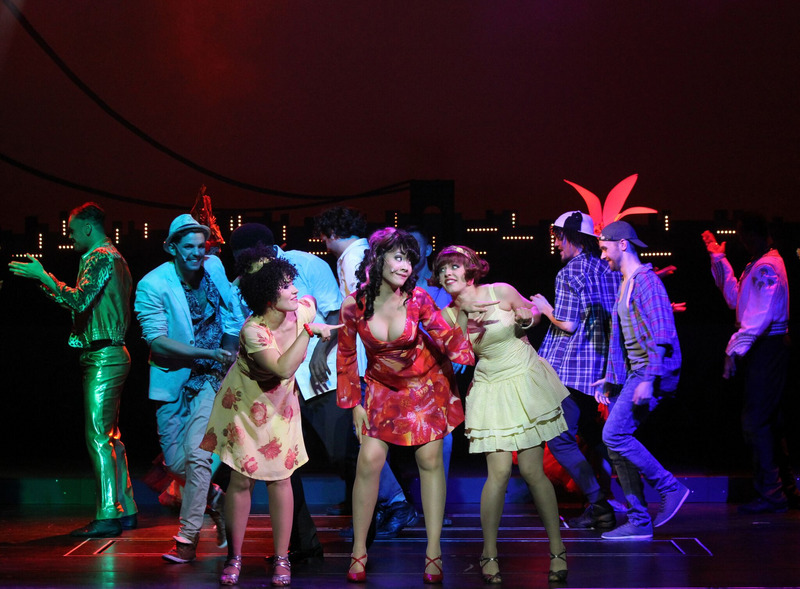

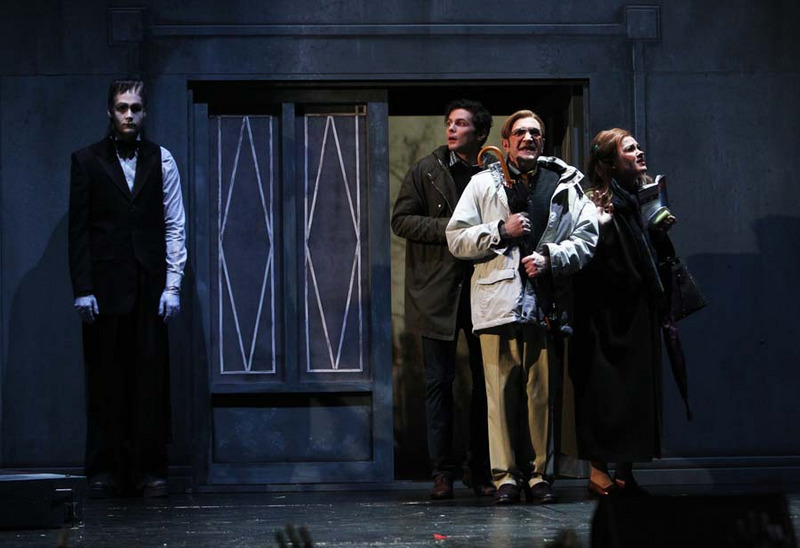
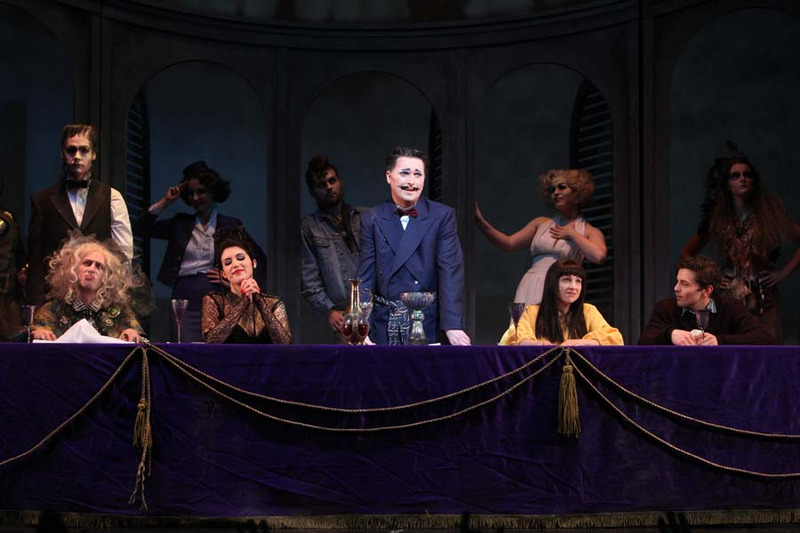
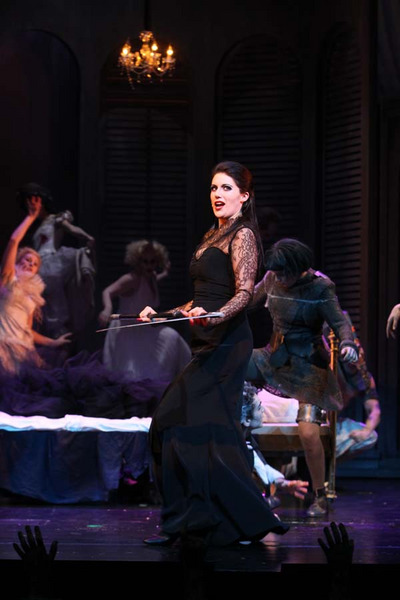
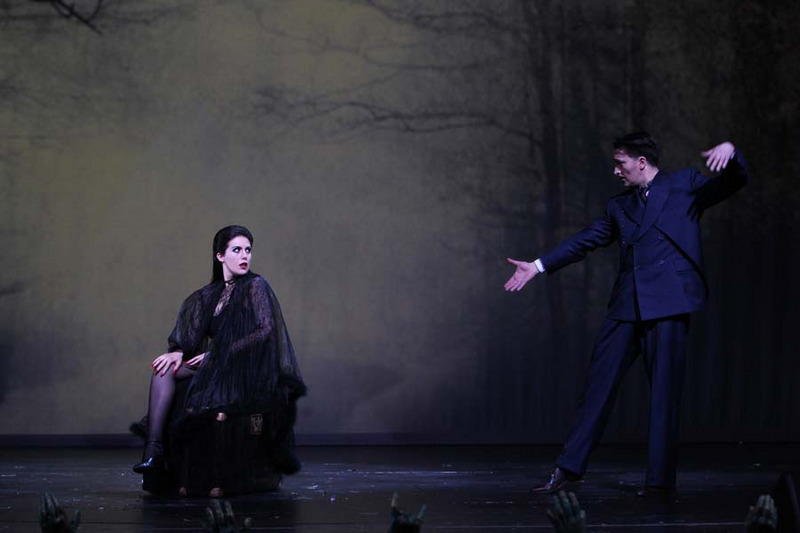
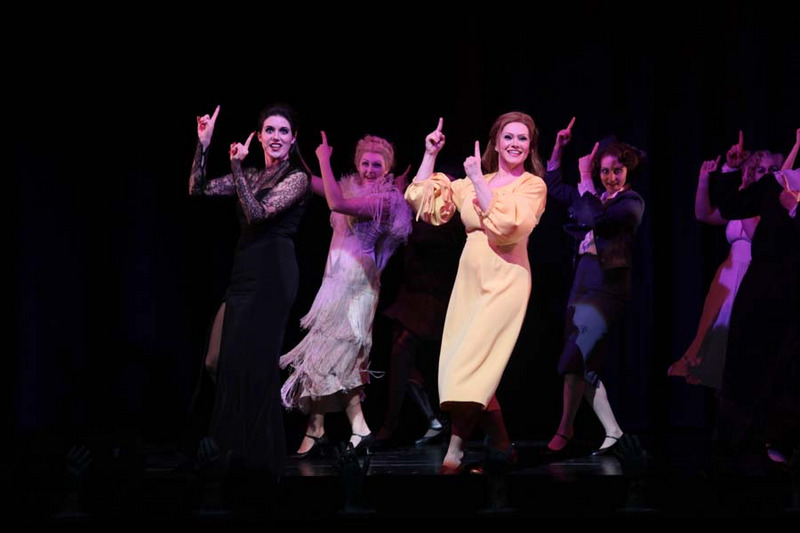
Wednesday Addams, in love with the handsome, intelligent young Lucas, cannot avoid introducing him and his family to her own. But this presents her with an enormous task, because her family is somewhat different from all other families. On top of that, Lucas comes from a very respectable family. At this “get-to-know-you” dinner, two worlds that could not be more different are to meet. Her father Gomez Addams – let in on the upcoming dinner – begs Wednesday not to tell her mother anything about it. But Gomez has never had any secrets from his beloved wife. What no one expects: at this dinner, which Wednesday hosts for Lucas, his parents and her family, everything will change for the Addams family.
In Andrew Lippa's musical THE ADDAMS FAMILY, Wednesday, known from the cartoon and film series of the same name from the 1990s, has grown up. Who doesn't remember the cult series with its creepy characters, the eerie love between Gomez and his Morticia, Uncle Fester, Lurch the butler, Grandma and the two children Wednesday and Pugsley, who, since the world premiere in Chicago in 2009, have now also conquered German musical stages.
Photos: Jörg Landsberg
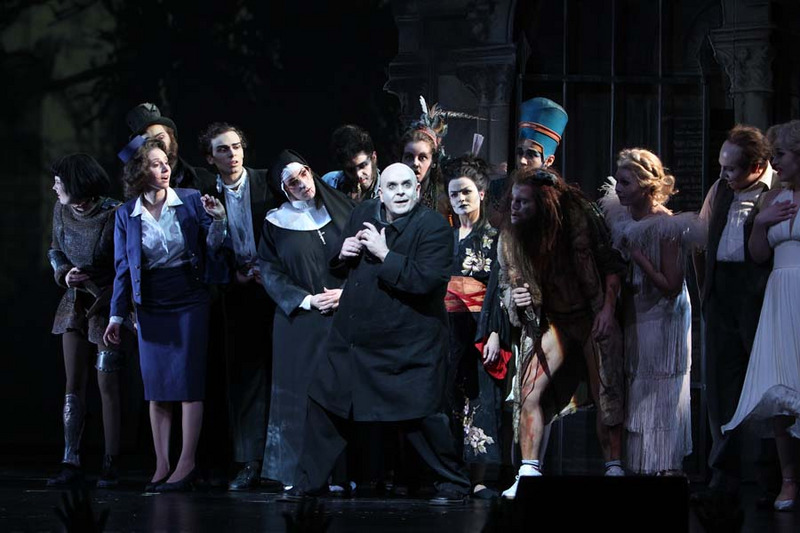
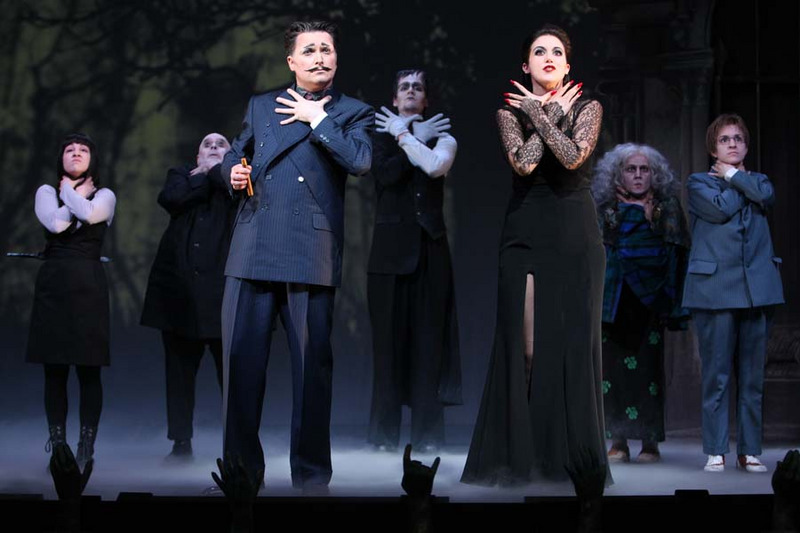
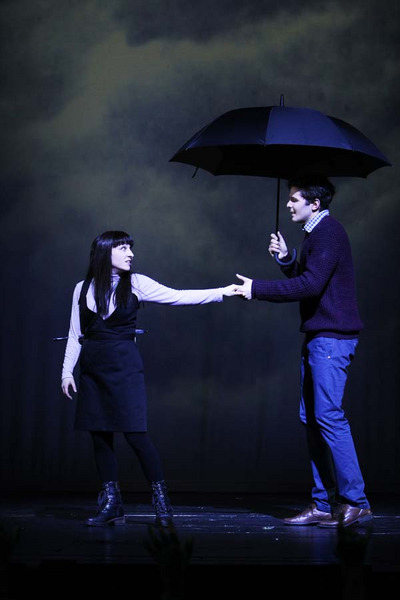

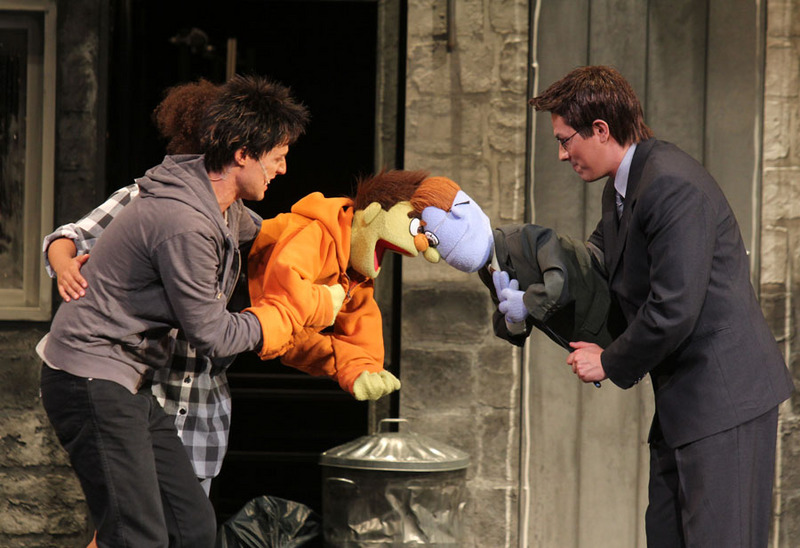
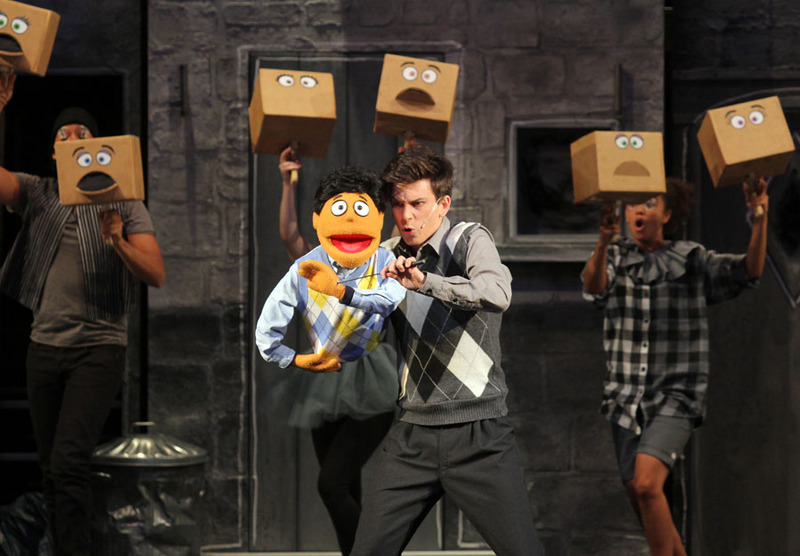
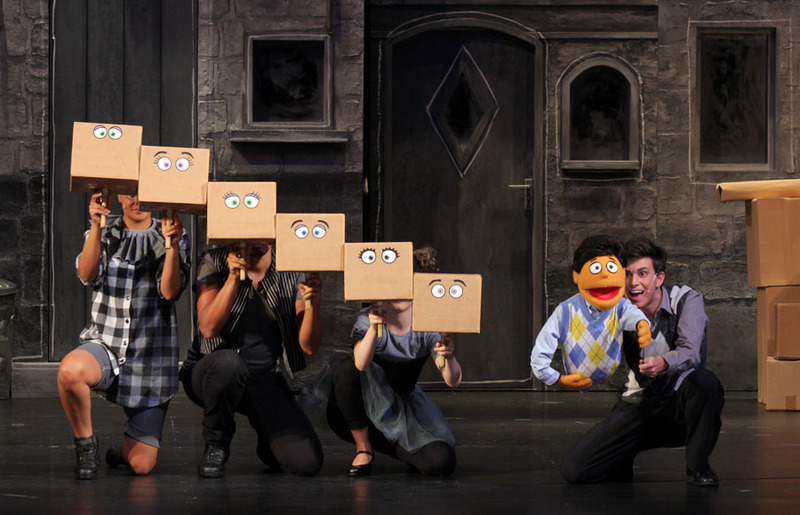
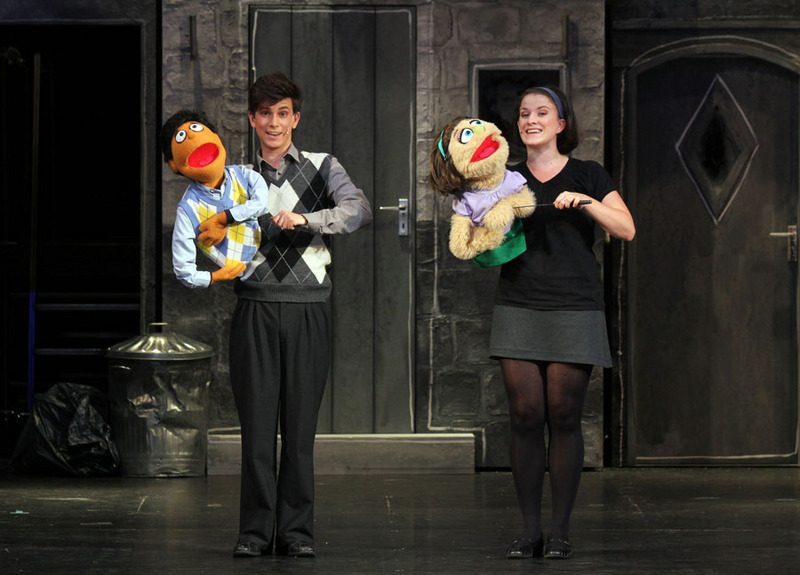
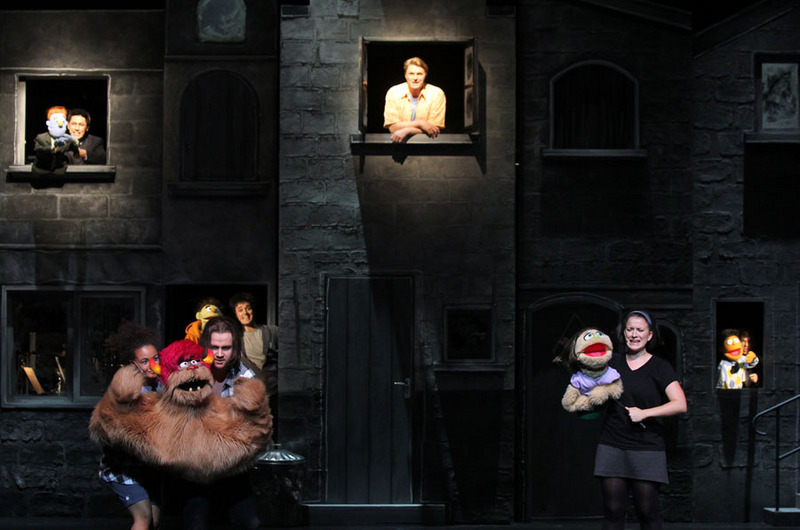
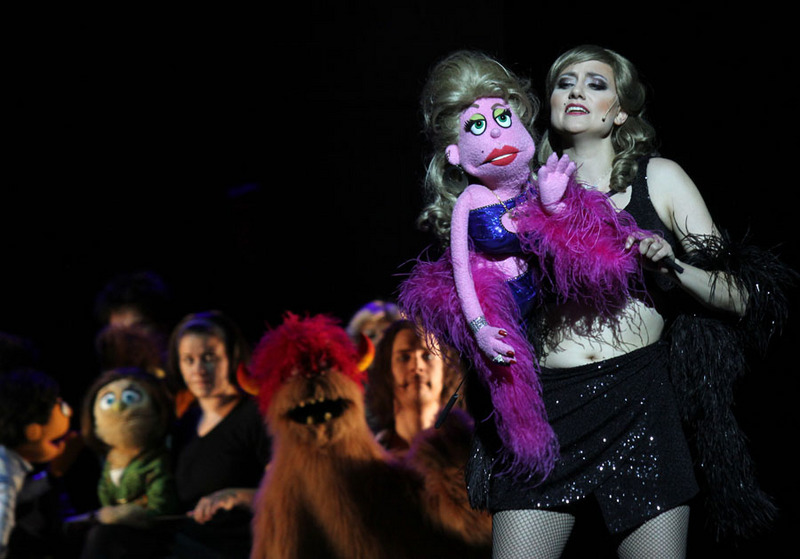
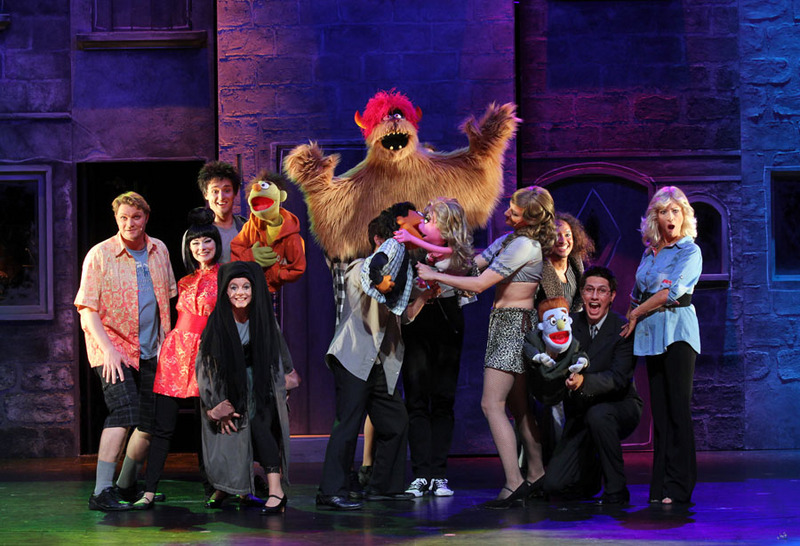
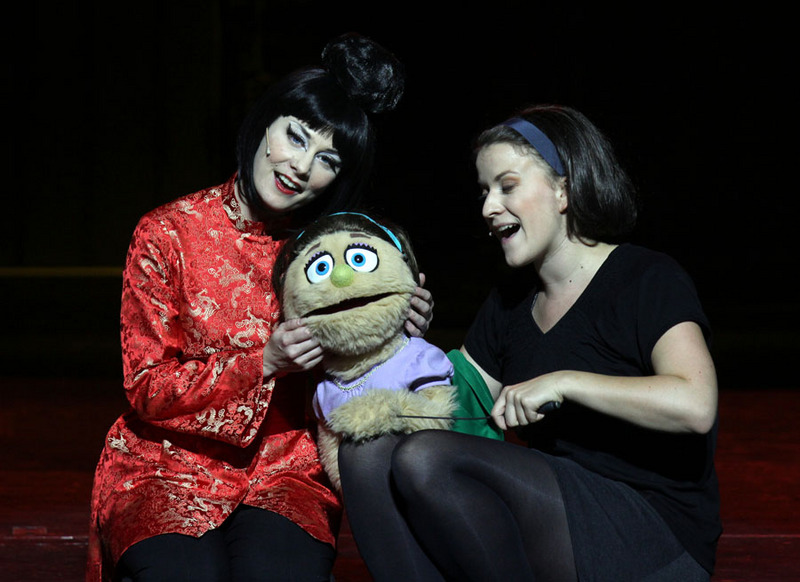
Avenue Q, the musical in cooperation between Theater Hagen and the Institute of Music. Premiere on September 5, 2015.
They look cute, yet they don't belong in any children's room. The puppets stirring up the big stage at the theaters in Hagen, Osnabrück and Minden are completely politically incorrect, witty, ironic and sing their hearts out. Avenue Q, winner of three Tony Awards, is coming to northern Germany for the first time. The puppets Princeton and Kate, Lucy, Nicky, Rod and Trekkie Monster live on Avenue Q in New York City; far away from Manhattan, where rents are still affordable. Puppets and humans live next door to each other and experience the interpersonal stories that make TV series so successful and normal life so varied. It is about finding your purpose and about the great dream of life, about love, internet porn and unemployment. The puppets have one advantage not to be underestimated: they don't mince their words. With big puppet eyes, they sing about racism and pornography – and no one can be angry with them. Nevertheless, the theater recommends the show only for young people aged 16 and over and, of course, for all adults who enjoy quirky entertainment.
The fast-paced songs by Robert Lopez and Jeff Marx contribute a great deal to making the dancing and singing puppets and their human friends memorable.
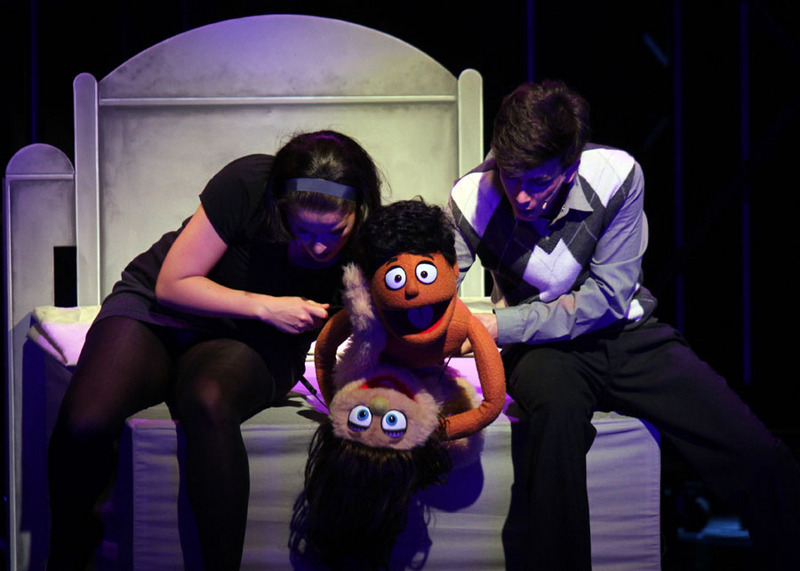
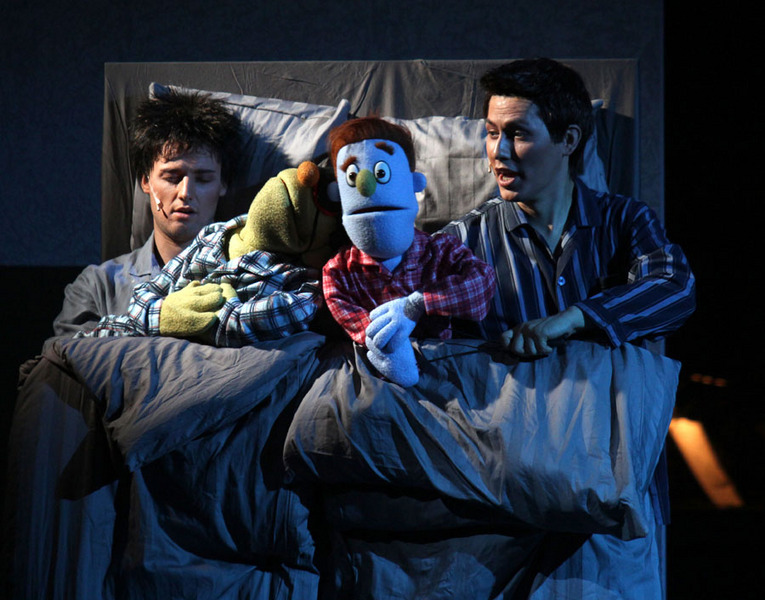
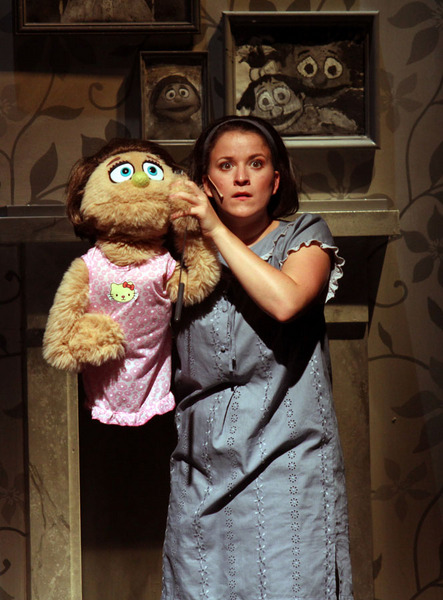
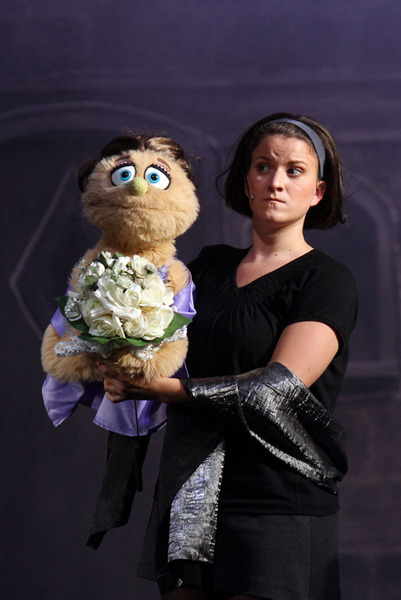
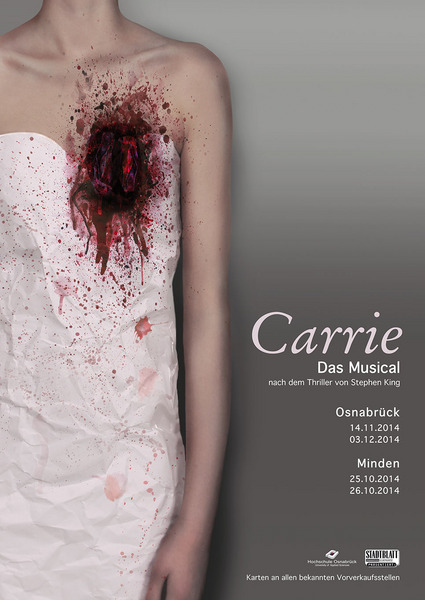
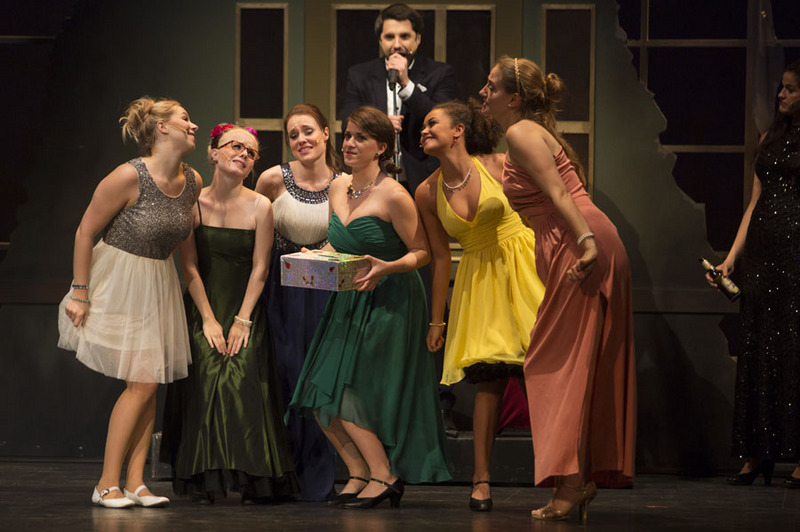
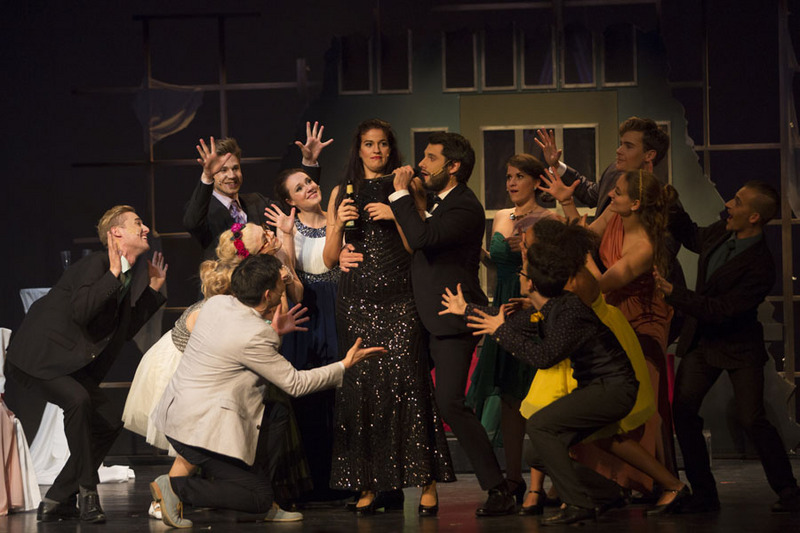
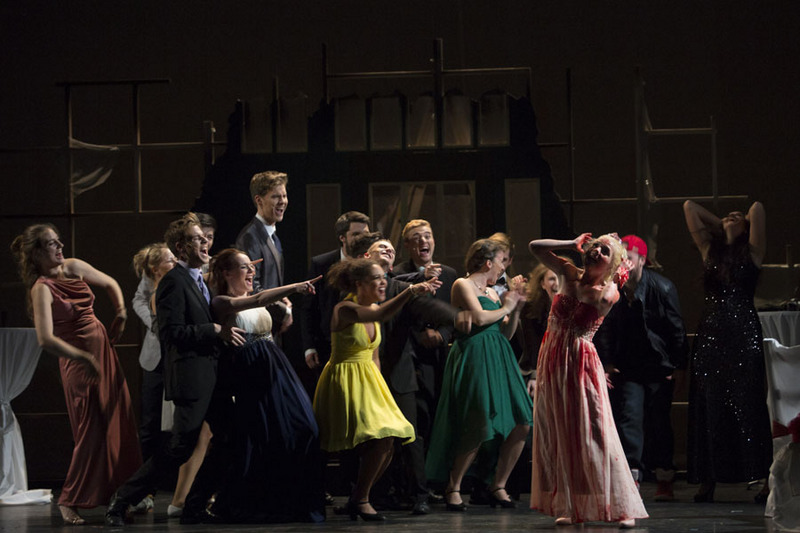
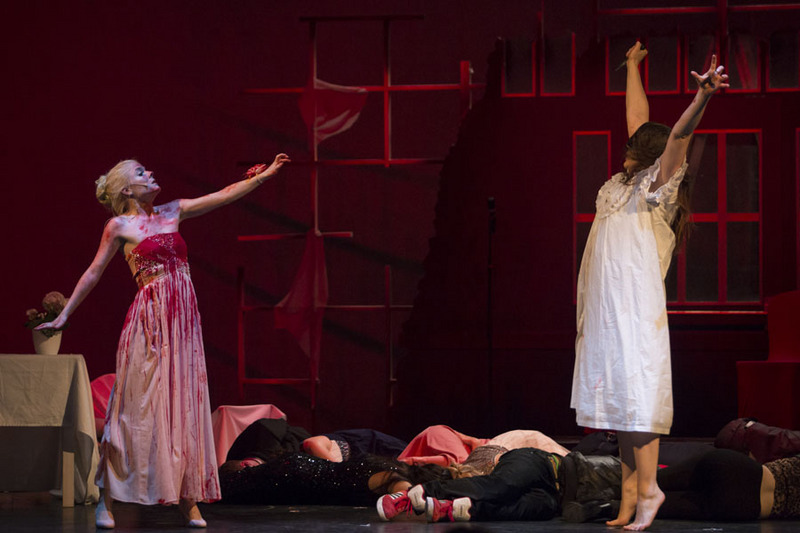
On October 25, 2014, the German-language premiere of the musical “Carrie” – based on the horror classic of the same name by Stephen King – took place at Theater Minden (supported by students of the "Interactive Design" program).
Carrie is a girl with telekinetic powers – the protagonist of Stephen King's novel of the same name, which was first, but not last, filmed by none other than Brian de Palma. The telekinesis Carrie performs – moving objects purely through mental powers – is a phenomenon that lends itself well to the stage.
Carrie's story, however, is not a story limited to the mere presence of Carrie's metaphysical abilities; rather, Carrie's story is a tale of restriction and emancipation, the story of a supposedly defenseless girl, her suffering and her rebellion – in other words, a story made for musical theater!
In close collaboration with the Institute of Music at Osnabrück University of Applied Sciences and its director, who also directed the Carrie production, Prof. Sascha Wienhausen, a concept for its realization was developed together with the students of Interactive Design.
A musical with gripping music, fantastic dance scenes and a horror factor that leaves no one cold. “Carrie” THE musical
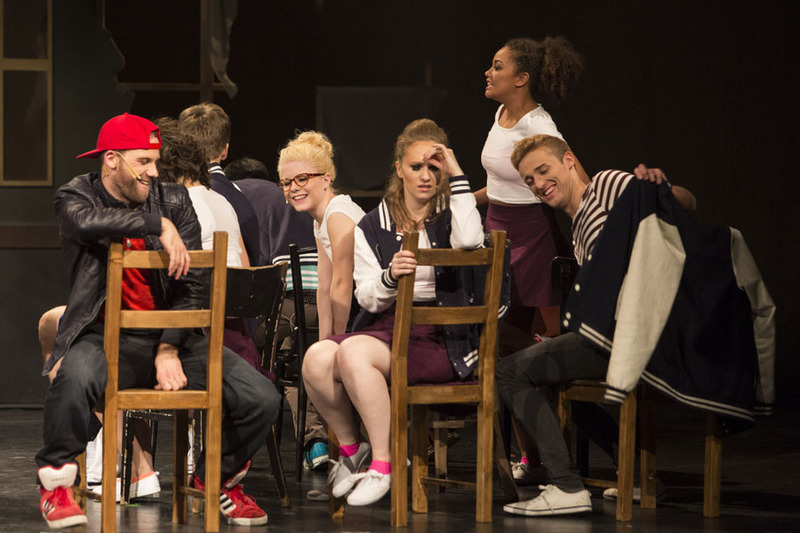
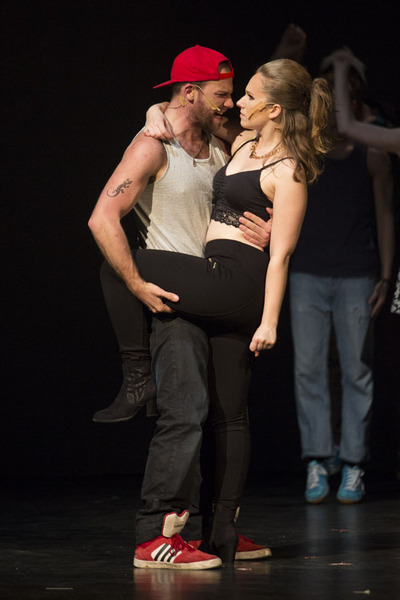
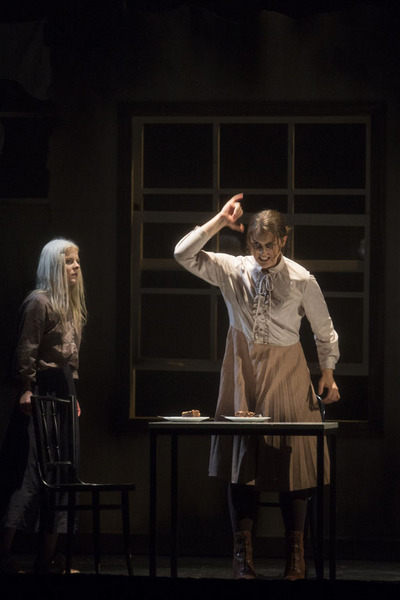
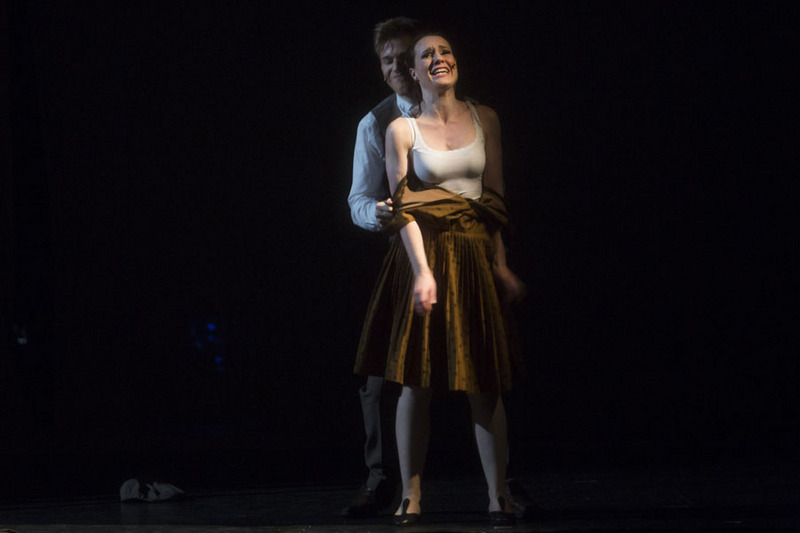

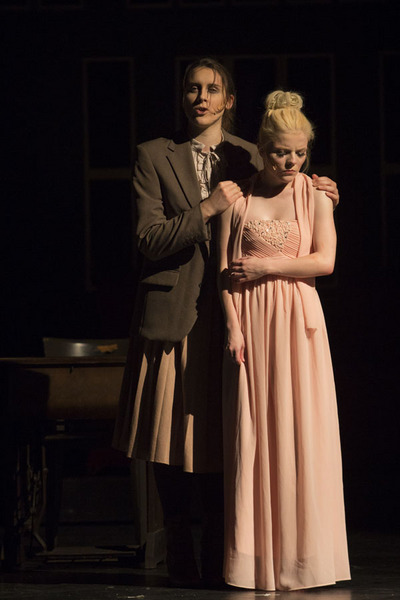
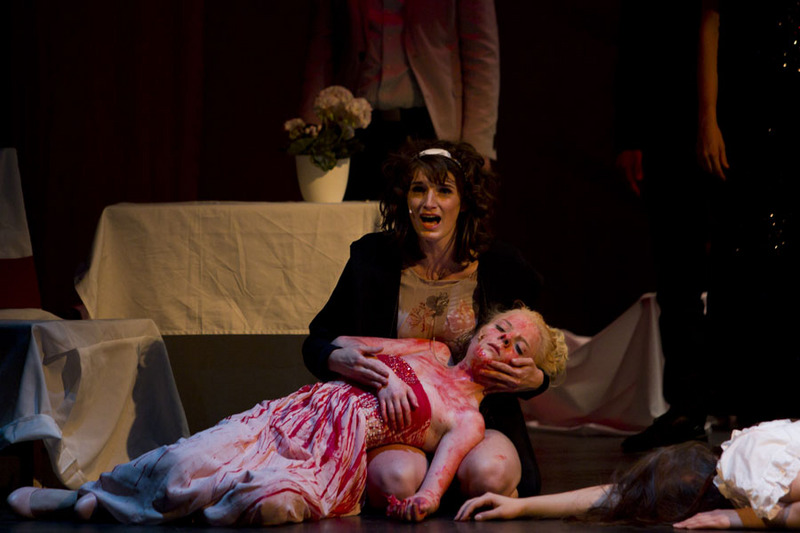
"Rent" – 2013

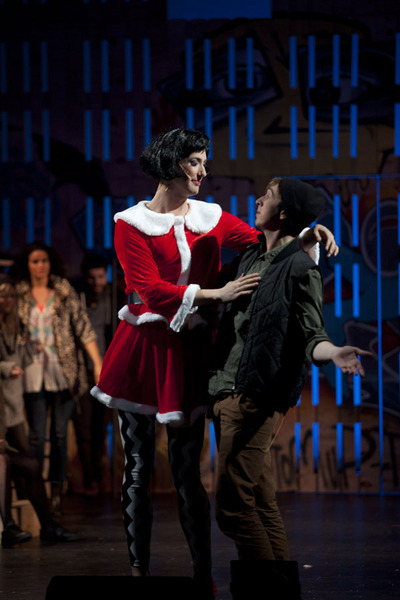
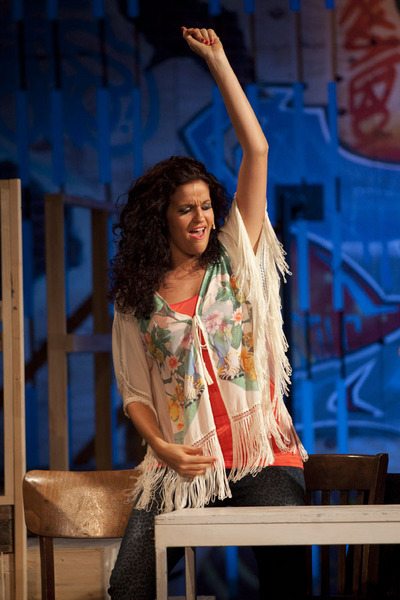
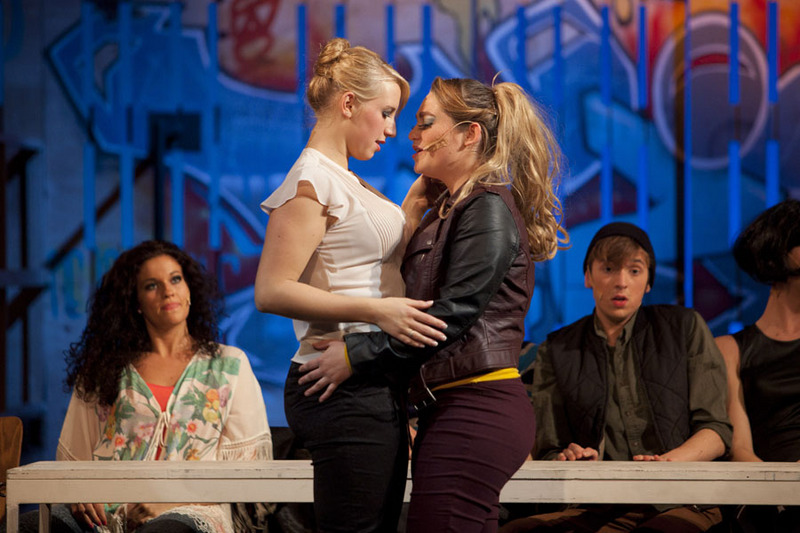
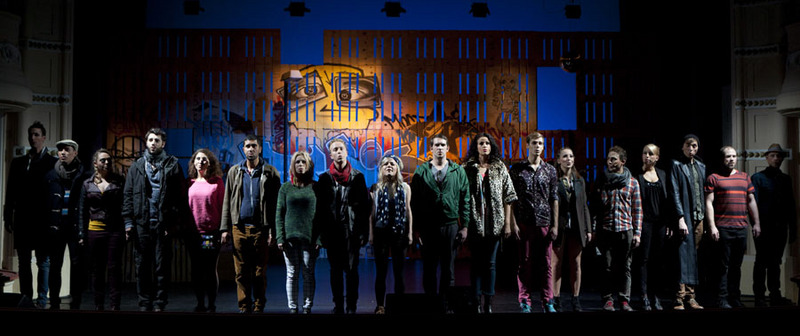
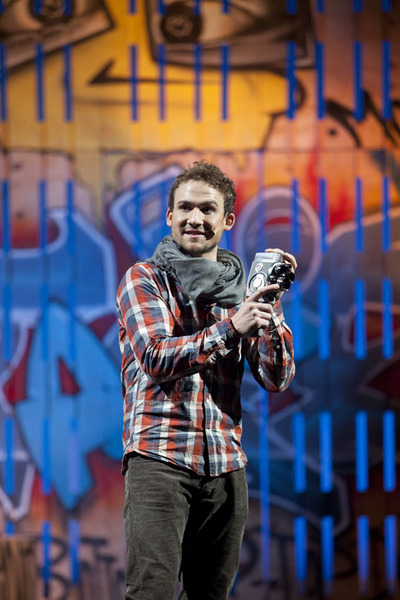
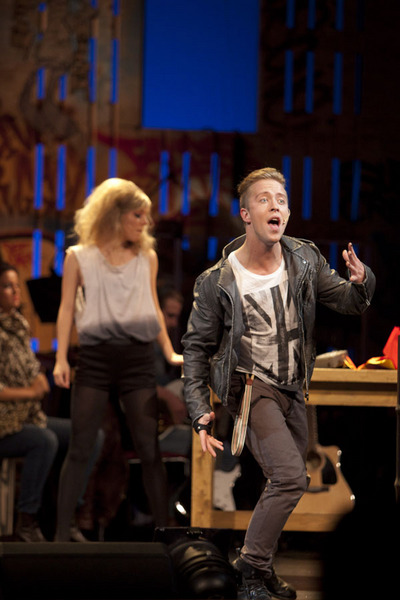
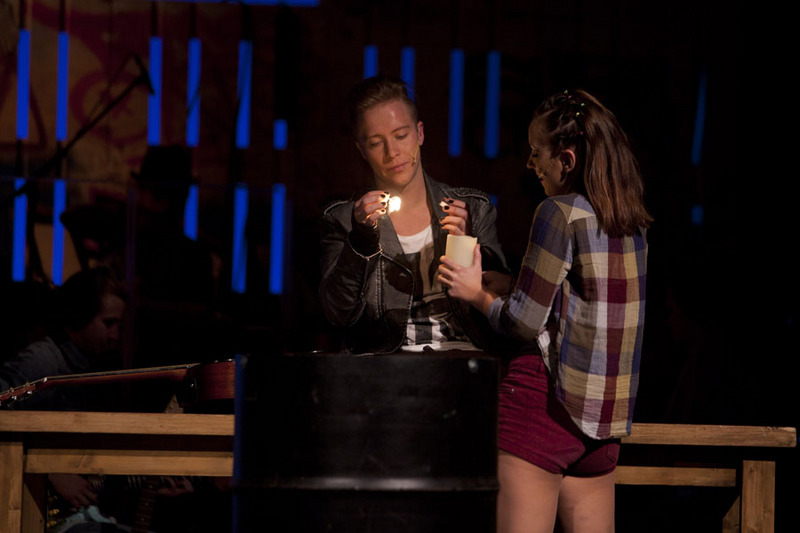
“RENT” the musical tells of the lives of eight young people in the eighties. Premiere on October 5, 2013.
The story is about protest against a society in which young artists and free thinkers no longer have a place. It is about betrayed friendship, broken love, mistrust, illness, drugs and violence. But friendship, newfound love, forgiveness, joy in life and hope are just as central.
This variety of emotions makes RENT a piece that is sometimes sad, also funny and touching, but above all natural, and that sheds light on many aspects of life. This is exactly what audiences love about RENT. The musical deals with taboo topics that, especially for young people, must not remain taboo.
The eight women and men at the center of the story are all very different characters who deal with these topics in different ways. Topics such as homosexuality, AIDS and drugs are portrayed in a natural way.
RENT is a piece that deals with sad facts, but RENT is above all a story of human relationships and ultimately of life itself. We are lucky that with RENT we have found not only a musical with promising content but also with great music. It is beautiful, rebellious and rocky, sometimes sad, also funny, and underlines the emotions of the piece perfectly.

DRAMA PRODUCTIONS / COLLABORATIONS
In their second year, the students present themselves with a drama production in the IfM's Plektrum theater.
A play about identity, the joys and pains of love, longing and desire beyond all norms – it is surely one of Shakespeare's richest, most amusing and cheekiest comedies.
After WAS IHR WOLLT he actually wrote only tragedies, as if with WAS IHR WOLLT he had said everything there was to say about LOVE & LAUGHTER.
Team and cast:
Director:Roland Riebeling
Assistant directors:Janina Steinbach, Nike Just
Musical direction / arrangements:Ali Alyousef
Viola/Cesario:Janina Steinbach
Duke Orsino:Christoph Gründinger
Fool:Djamila Al-Slaiman
Countess Olivia:Francesca Mai
Malvolio, Olivia's steward:Jonas Blahowetz
Maria, Olivia's lady-in-waiting:Clara Schönberner
Sir Toby, Olivia's uncle:Leo Taubert
Sir Andrew, a friend of Sir Toby:Philipp Faustmann
Sebastian, Viola's twin brother:Lukas Löbner
Antonio, a sea captain:Rinus Render
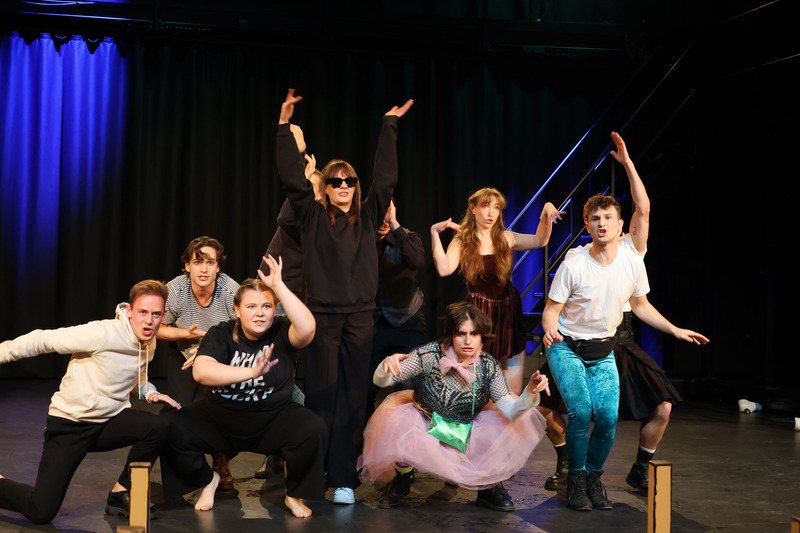
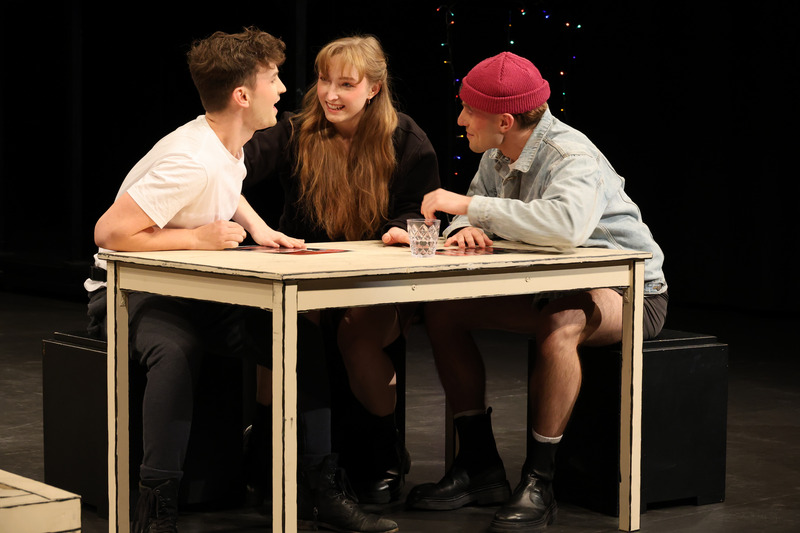
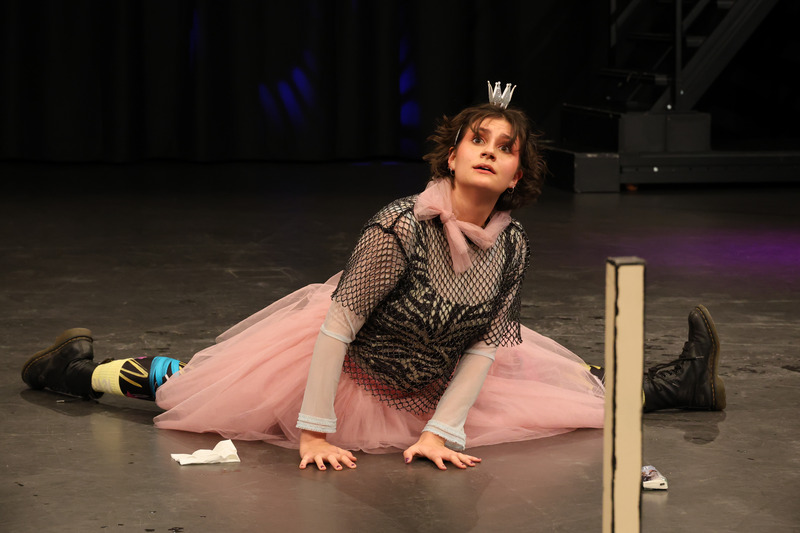

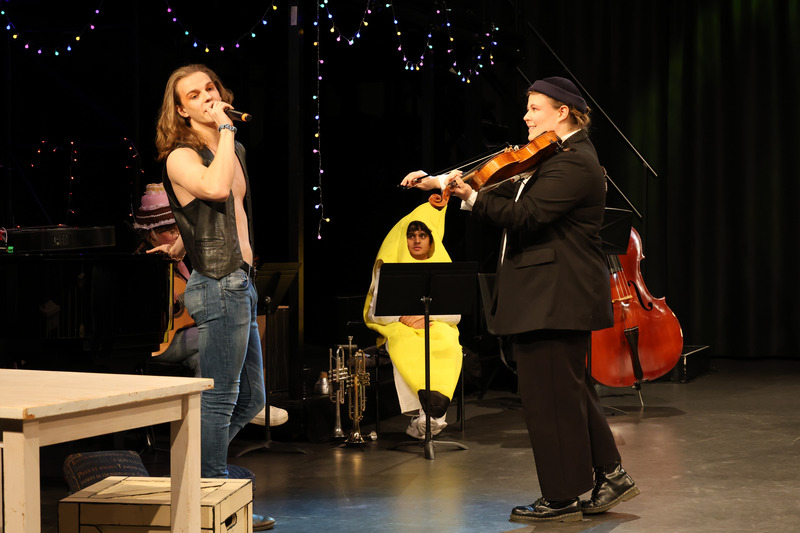

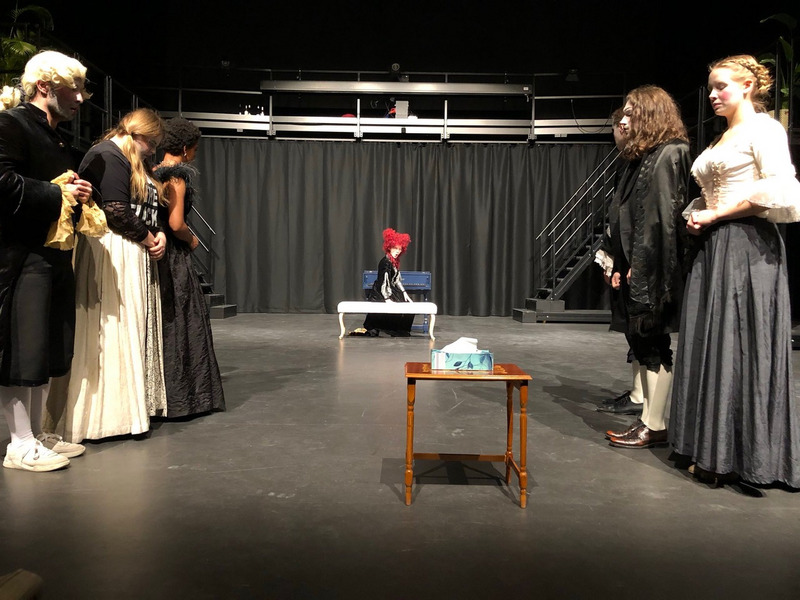
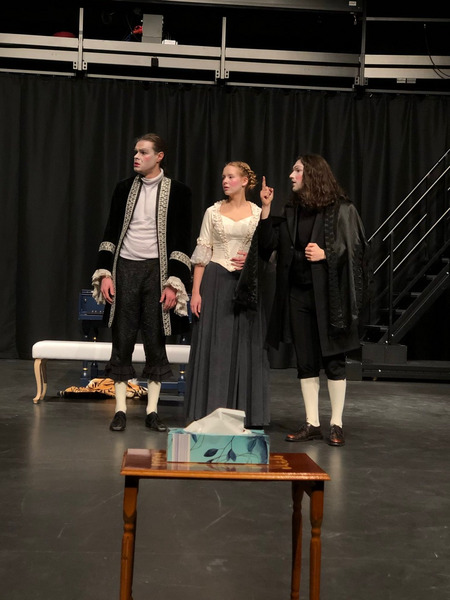
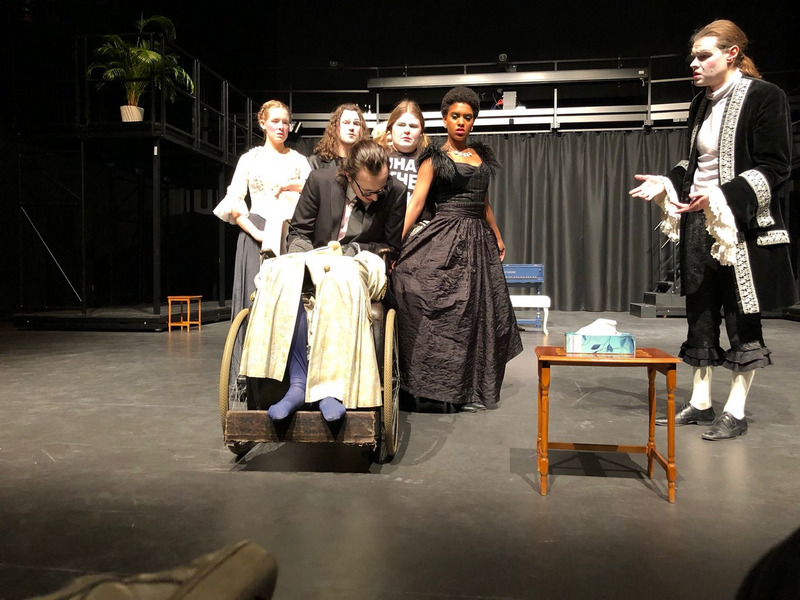
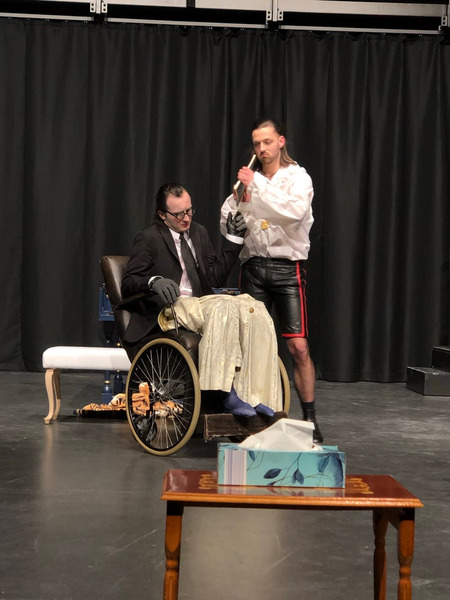
Der Tartuffe
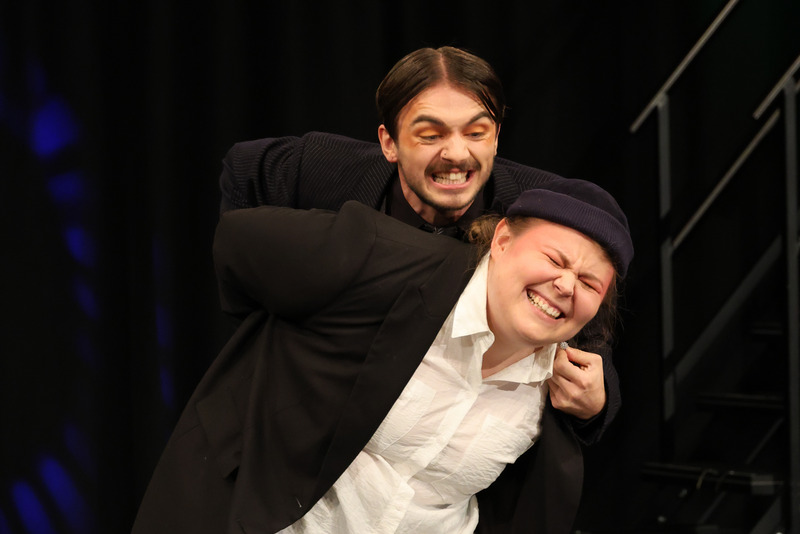
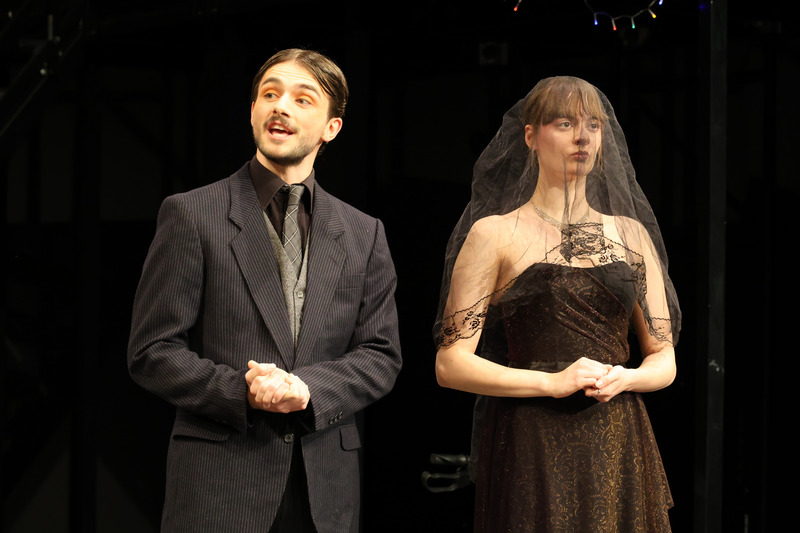
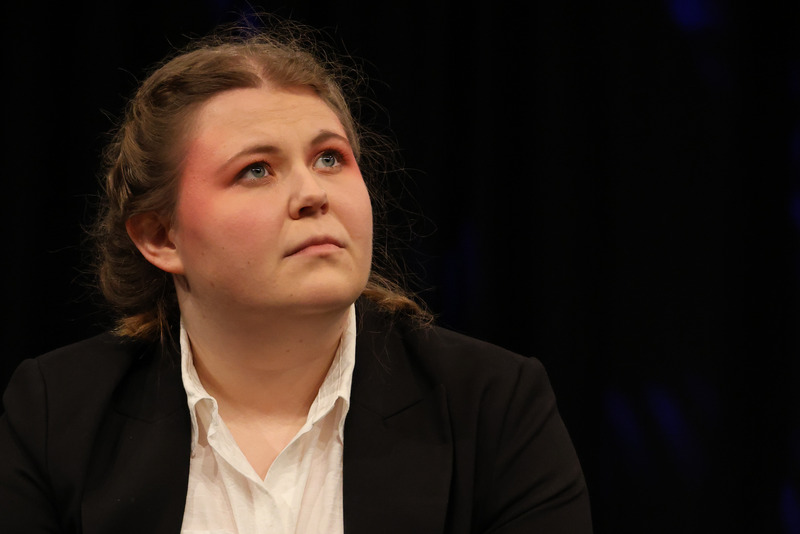
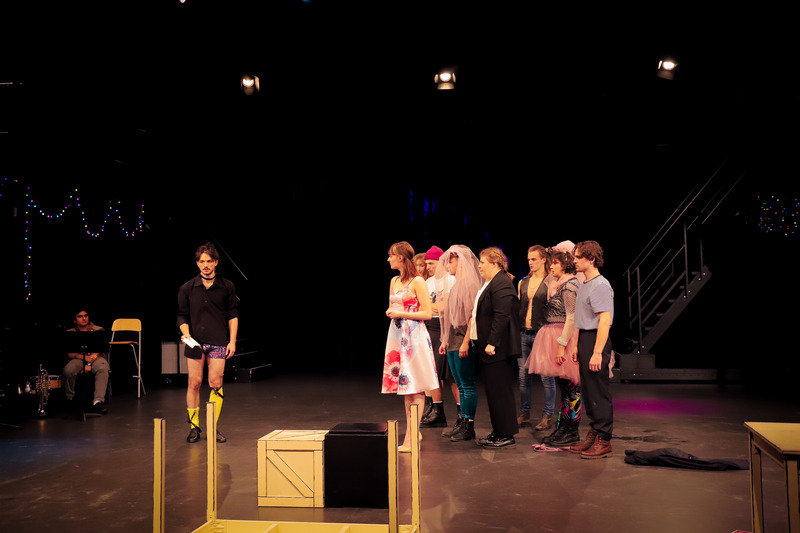
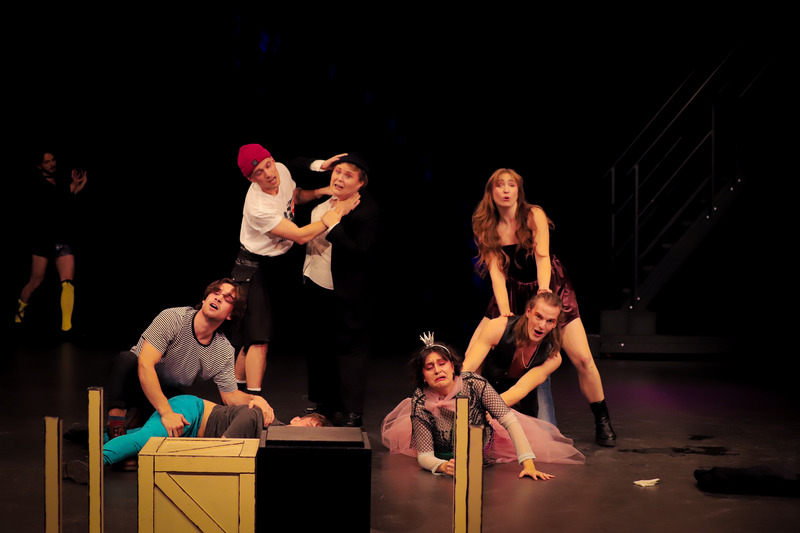
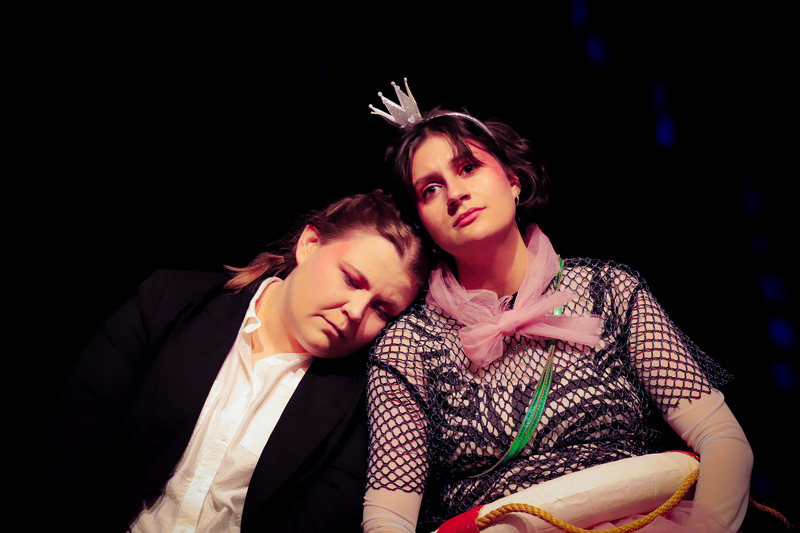
Play after Molière
In his production, Roland Riebeling (known, among other things, from the Cologne „Tatort“) devotes himself with verve and a love of language to this rhymed work by the French poet. The impostor Tartuffe throws the life of a middle-class Parisian family in the 17th century into complete disarray. For the gullible head of the household, Orgon, follows every piece of advice from the supposedly pious preacher Tartuffe, while the whole household has already seen through him as a hypocrite. When Orgon decides to give him his daughter as a wife and disinherits his son, things come to a head…
Team and cast:
Director, stage design, costumes:Roland Riebeling
Assistant directors: Janina Steinbach, Jonas Blahowetz
Lighting and sound:Lotte Kohl-Gorski
Cast:
Madame Pernelle, Orgon's daughter: Pauline Weschta
Orgon, Elmire's husband: Daniel Nothnagel
Elmire, Orgon's wife: Salyma Chatty
Damis, Orgon's son: Strato Stavridis
Marianne, Orgon's daughter, in love with Valère: Janina Steinbach
Valère, in love with Marianne: Tim Stolberg
Cléante, Orgon's brother-in-law: Jonas Helmers
Tartuffe, a hypocrite: Tobias Gerisch
Dorine, Marianne's maid: Laetitia Hippe
Monsieur Loyal, a bailiff; Flipote, servant of the house: Nuno Dehmel
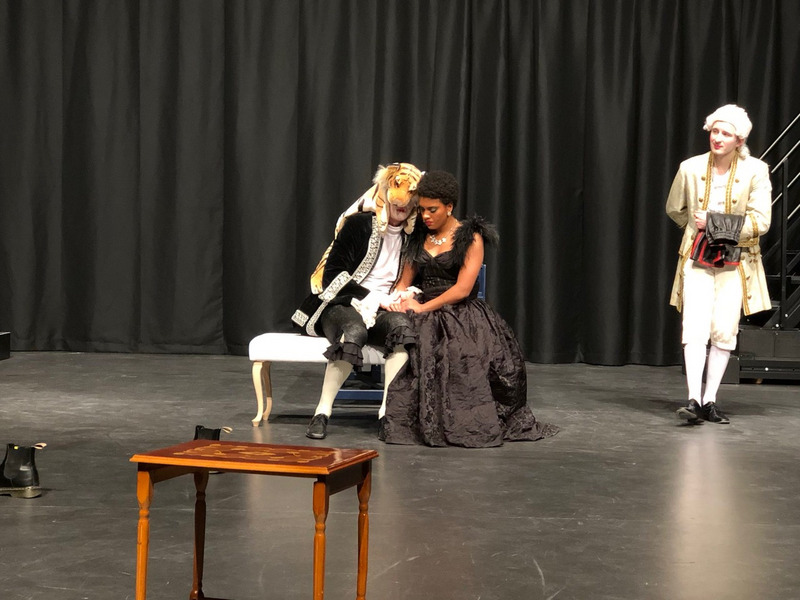
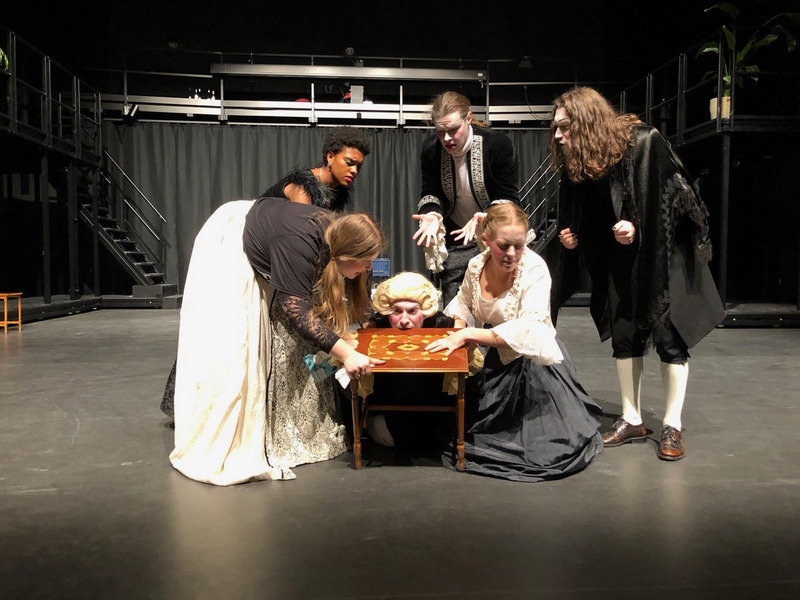
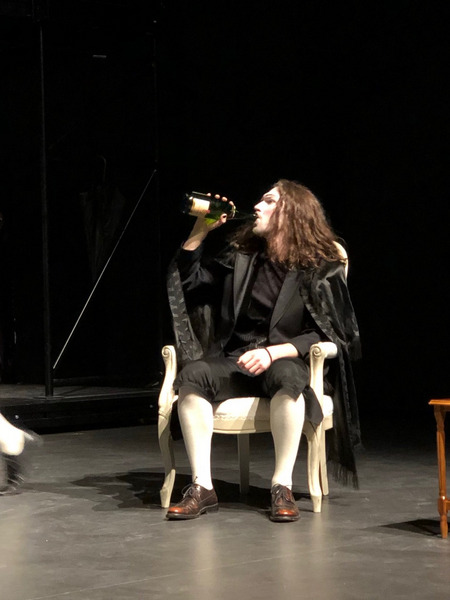
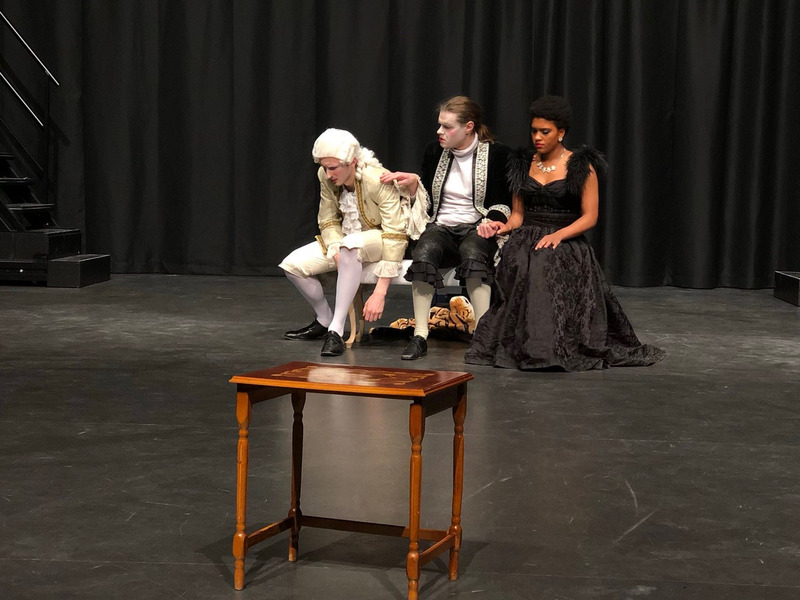

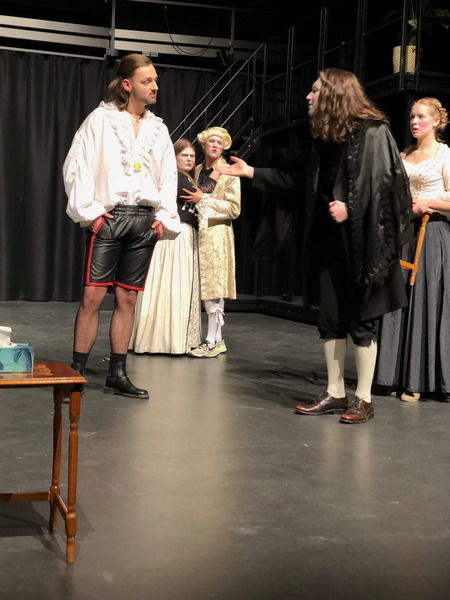
KoKoro
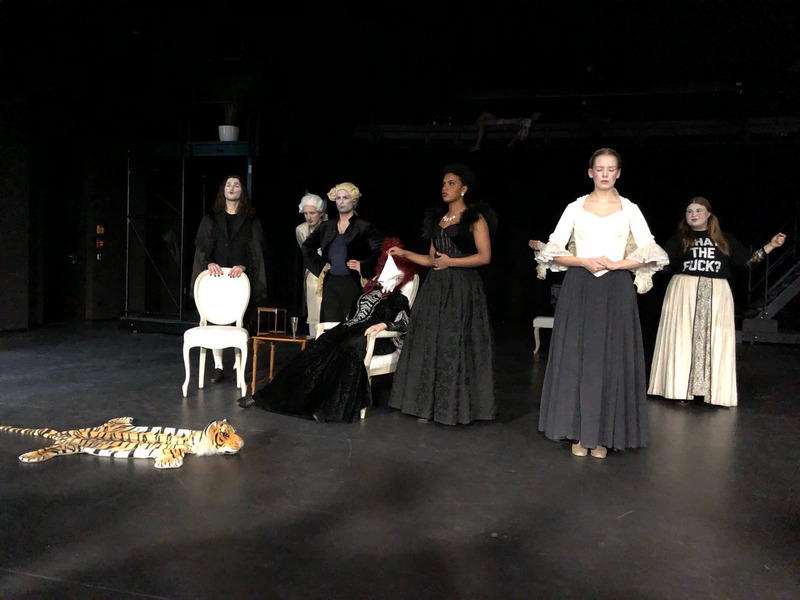
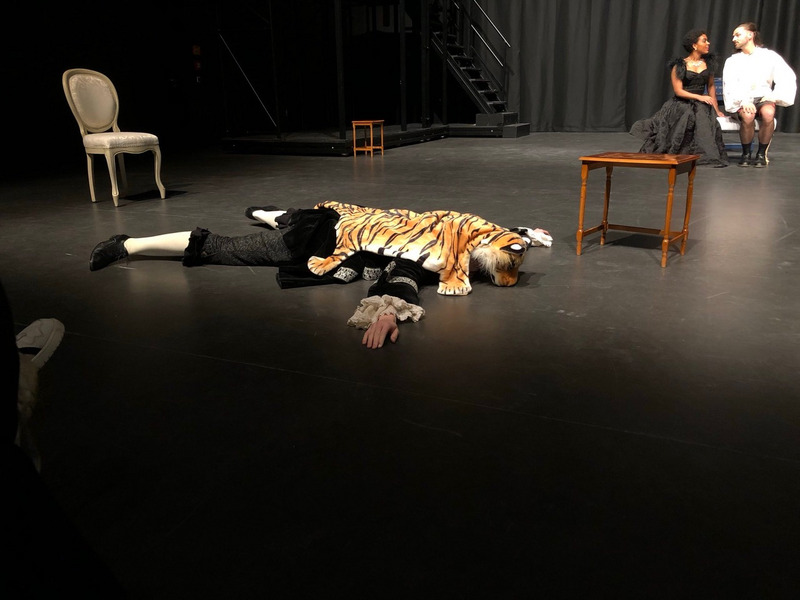
Play by Nono Haratischwilis
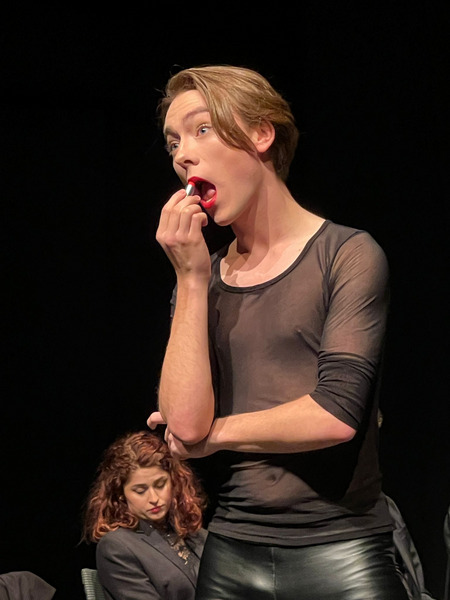
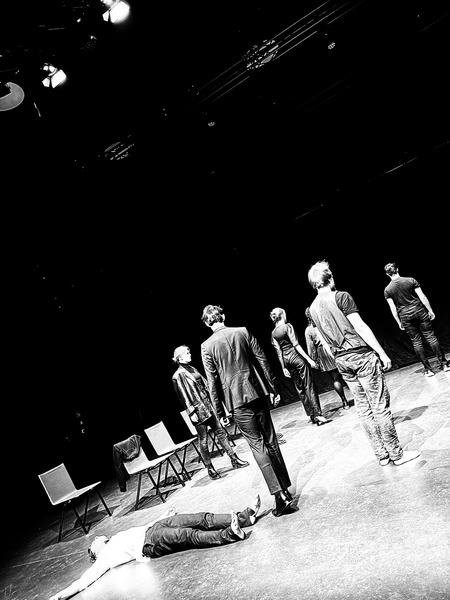
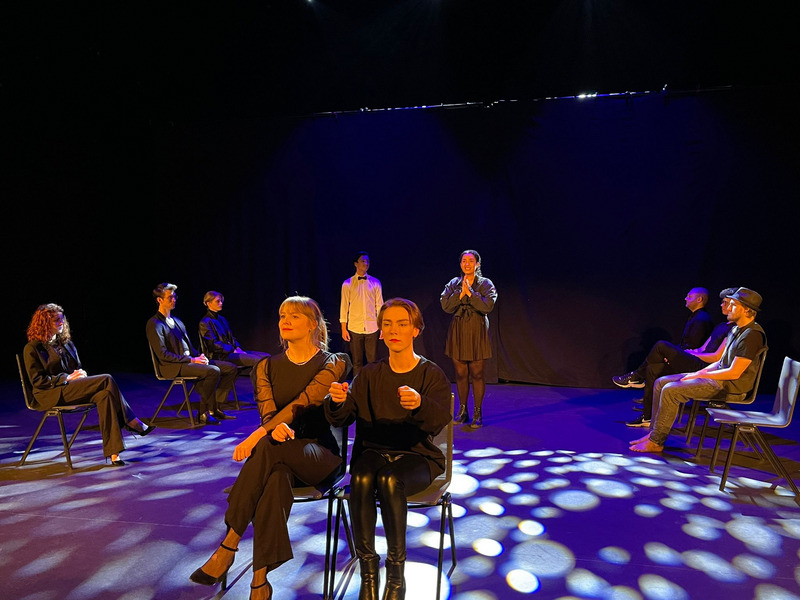
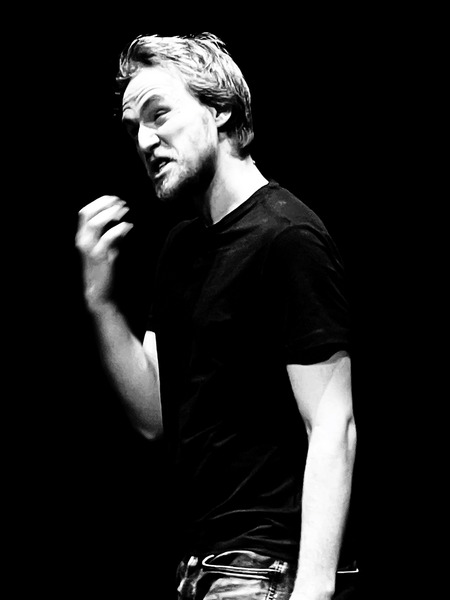
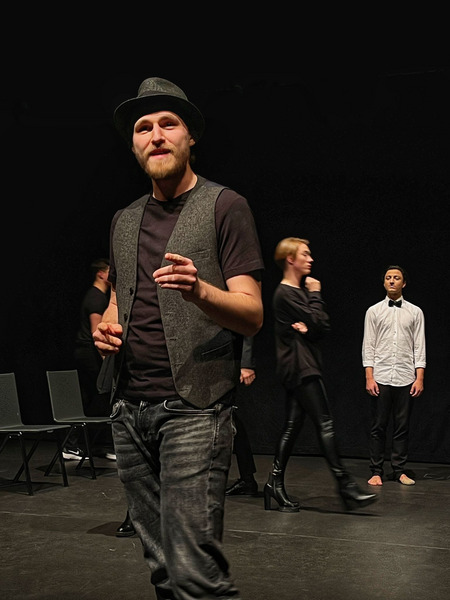
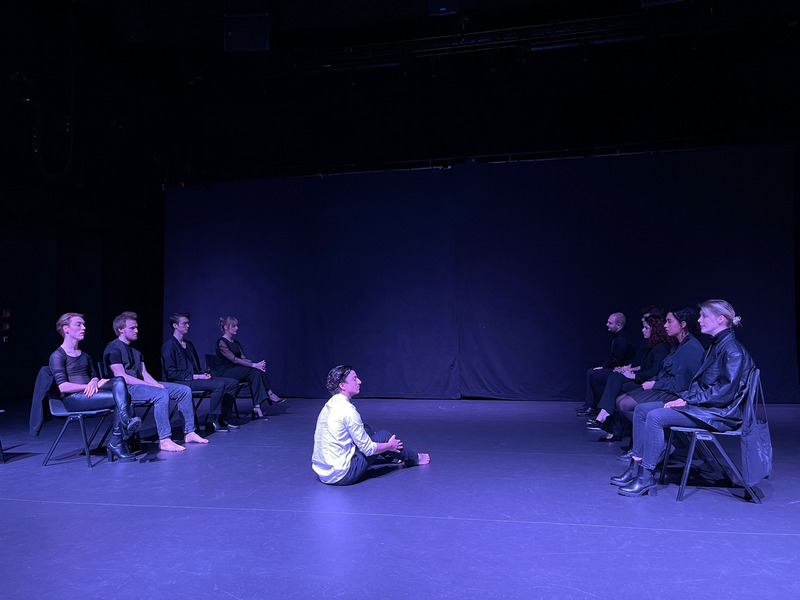
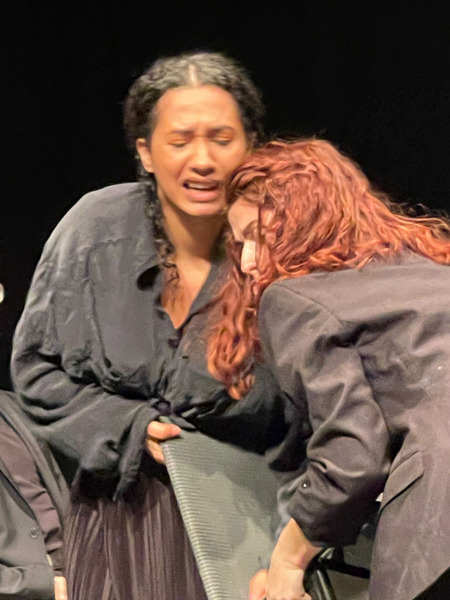
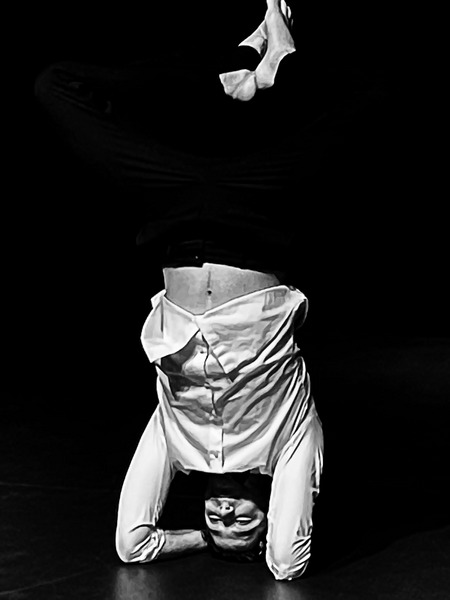
Kokoro is Japanese and means something like “the heart of all things”. In “Kokoro”, the play by the award-winning German-Georgian author Nino Haratischwilis, nine dazzling characters meet in touching episodes. Wandering figures, thrown out of their time and out of the world: the provincial politician Robert and his Georgian wife Marina, who wants nothing more than a child; Winnie, an aging diva who downright kidnaps her transsexual neighbor; a literature-obsessed homeless man supposedly called Frank Sinatra; plus a career-hungry activist, a driven journalist who takes illegal paths, a lonely cleaning lady, and so on and so on … At first glance they have nothing to do with each other, but step by step a fine web of relationships is revealed: mothers, sons, lovers. They are lonely seekers of happiness, homeless people with deep scratches on their souls.
Actor and director Roland Riebeling, known to a wide audience as “Norbert Jütte” from the Cologne „Tatort“ and a lecturer in acting at Osnabrück University of Applied Sciences since 2019, stages this sometimes funny, sometimes melancholy round dance of people of our time at a fast pace with the second-year musical students.
Team and cast:
Director: Roland Riebeling
Choreography: Pascal Dominik Schmid
Assistant director: Amani El Sadek
Lighting and sound: Tim Richter
Cast:
Winnie: Natalie Patricia Friedrich
Maja: Jamie-Lee Uzoh
Benjamin: Dominik Räk
Una: Richard Fuchs
Noa: Yannic Noël Blauert
Frank Sinatra: Leander Bertholdt
Robert: Stefan Schößwendter
Marina: Annemarie Purkert
Leila: Leonie Dietrich
Joschi: Pascal Dominik Schmid
Photos: Leander Berthodt
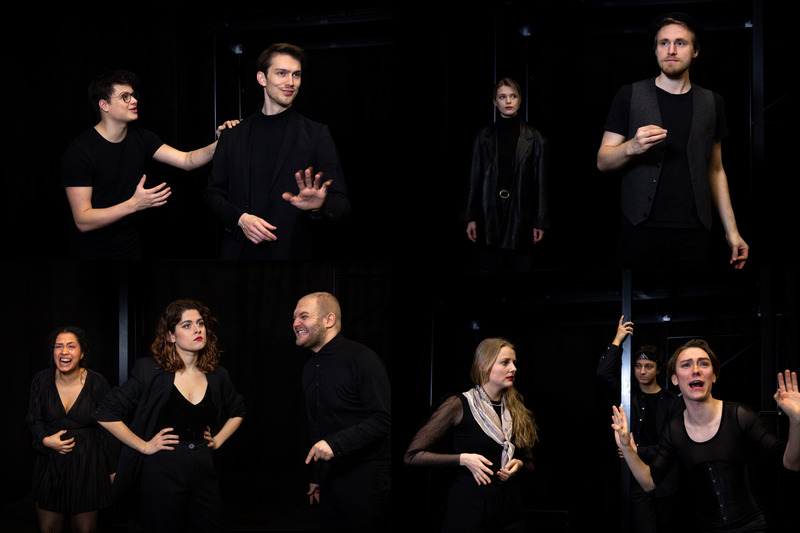
DIE KLEINBÜRGERHOCHZEIT
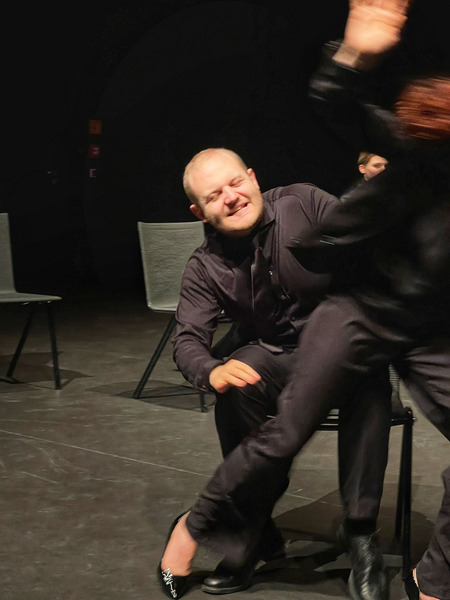
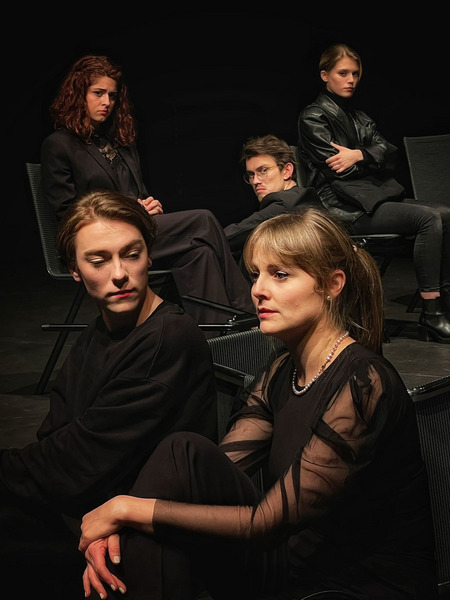
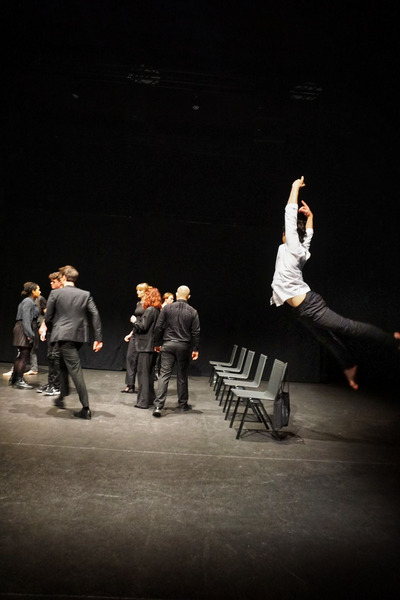
Play by Berthold Brecht
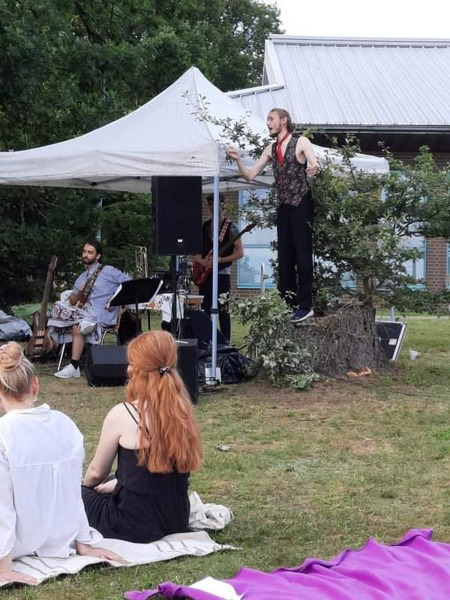
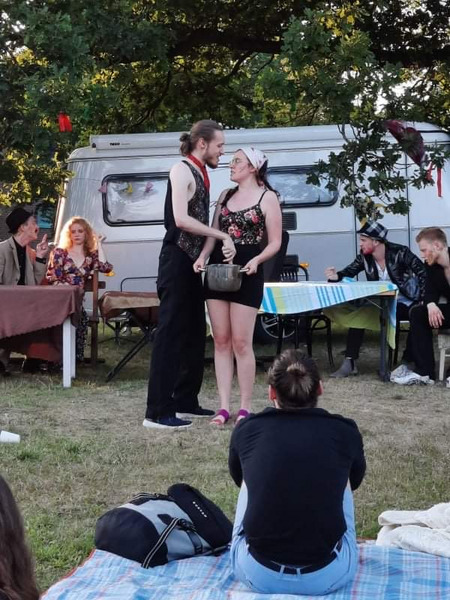
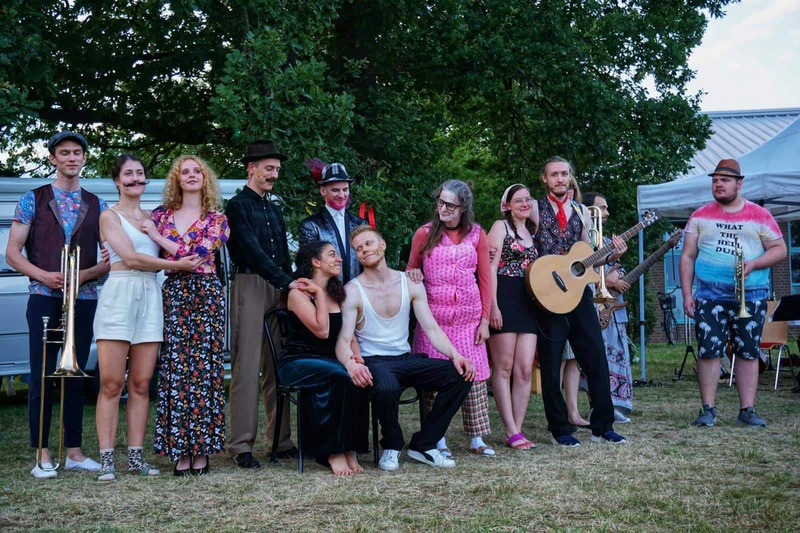
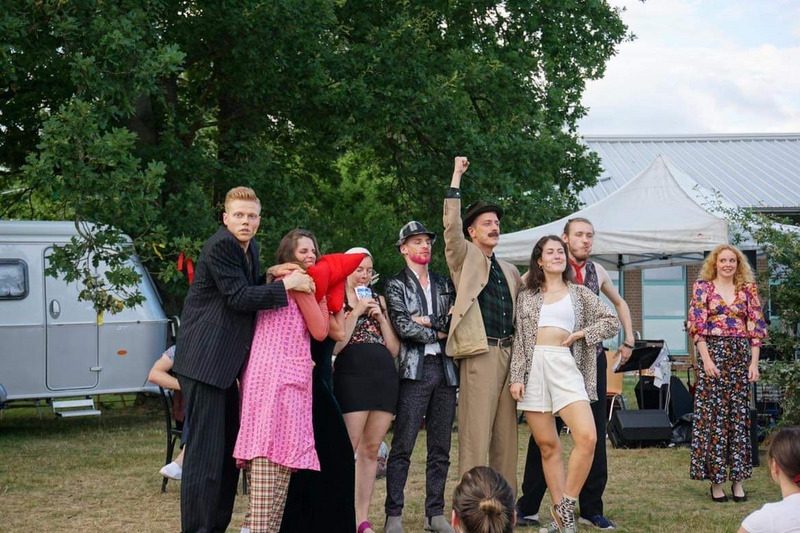
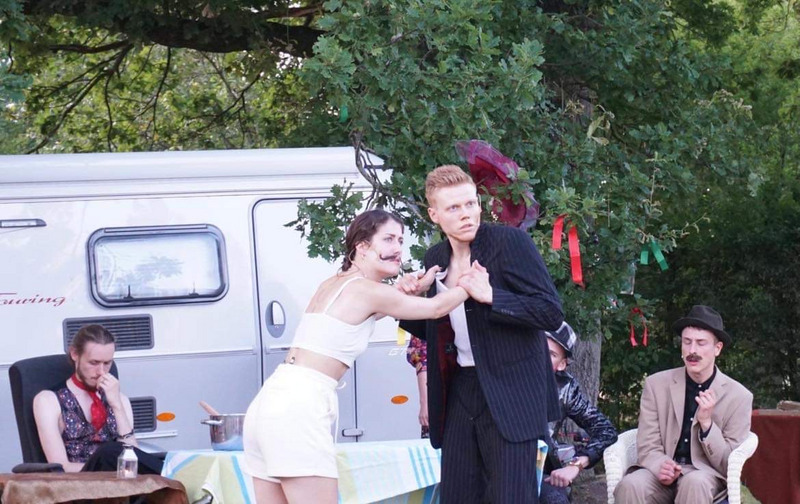
Bertolt Brecht's play takes us through all the stages of a newlywed couple's wedding party: from initial friendliness and forced politeness to ever-growing embarrassments and quarrels and finally completely smashed furniture. In Roland Riebeling's production, Brecht's text was supplemented with songs from all over the world and performed on the open space in front of the building at Limberg in order to comply with coronavirus restrictions.
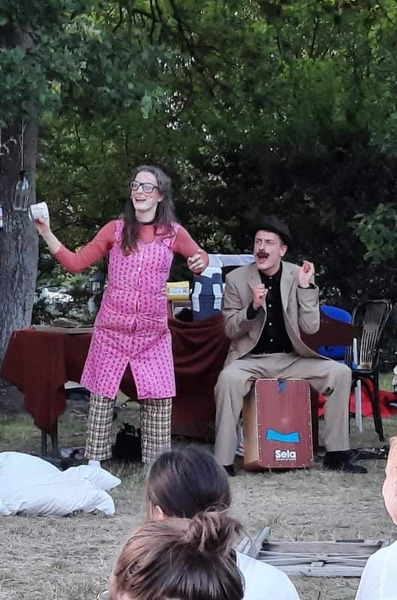
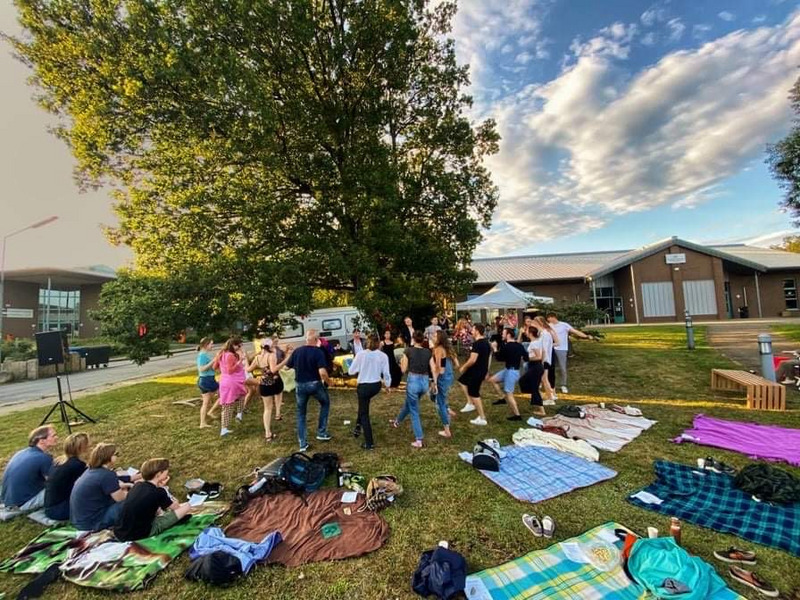
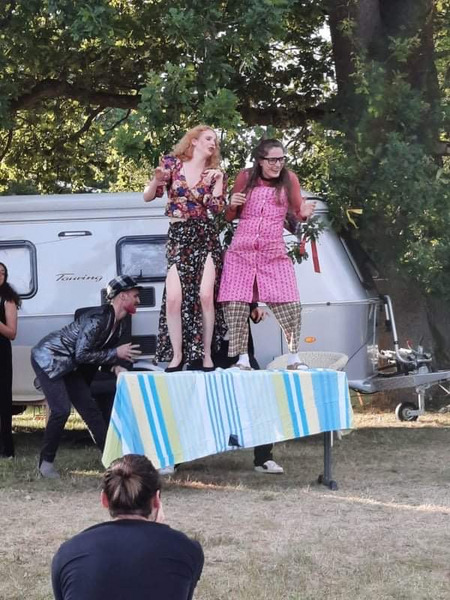
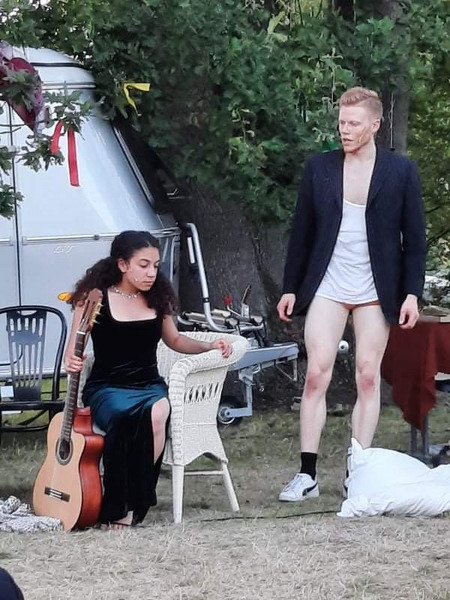
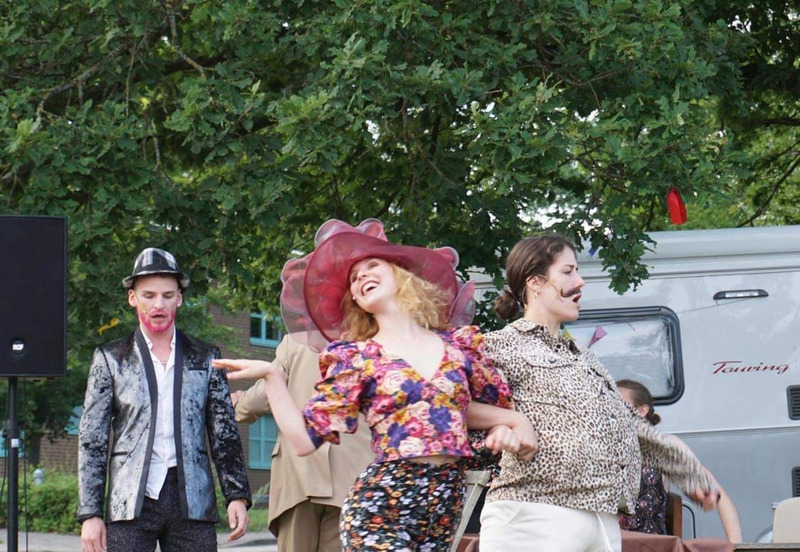
The stage set in front of the large old oak tree consisted of a long table, various different seats, a tree stump and an old caravan which, being versatile, served not only as scenery but also as a prop.
In their roles, the students sang songs in a wide variety of languages (Japanese, Hebrew, Arabic, Dutch and many more) and accompanied each other on various instruments. They were also supported by instrumentalists from the Institute of Music, who became part of the action both musically and as performers. Multicultural songs, a large, colorfully decorated caravan and an audience spread out on picnic blankets thus gave the performance the impression of a traveling theater.
Team and cast:
Director: Roland Riebeling
Assistant director: Yannik N. Blauert
Musical direction: Jack Lukas
Cast:
Manar Elsayed, Clara Marie Hendel, Patrick Bertels, Benny Hogenacker, Hannah Miele, Franziska Wagner, Sandro Wenzing, Niklas Roling / Anna Fink


Willst Du schon gehen – farewells in songs and scenes
Nothing is eternal! We constantly have to say goodbye to things, people, places, plans and dreams. This can be tragic and heartbreaking, but also pleasurable and liberating.
In this year's drama project, the students undertake a tour de force through the centuries and meet a wide variety of great dramatists who have devoted themselves to this topic.
From Schiller's lemonade scene in “Kabale und Liebe”, to Shakespeare, Horváth, Ibsen's “Nora” and Williams' “The Glass Menagerie”, to contemporary theater texts, there is everything in which things are ended abysmally, finally, longingly or elegantly.
That this can be not only sad but also very funny, bizarre and in any case entertaining
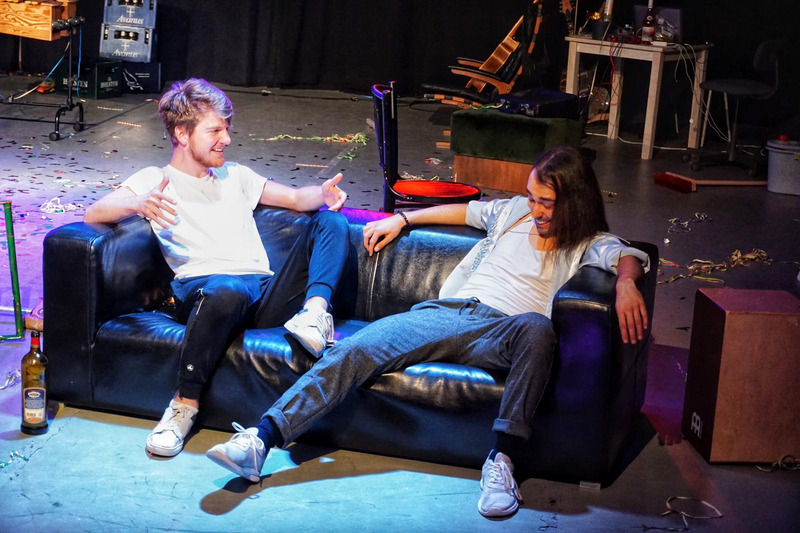
is proven by the performers in the setting of a party that somehow never ends,
framed by songs that offer just as colorful a mix as the theater literature.
From Verdi arias to Knef chansons, Lou Reed ballads, jazz and French pop songs to German rap such as “Willst du mit mir Drogen nehmen”, you no longer want to leave this farewell party.
Team and cast:
Director:Roland Riebeling
Cast:
Tanja Beutenmüller / Lucía Bernadas Cavallini / Sanja Färber / Alexander Irrgang / Lukas Jakob / Lukas Kenfenheuer / Lénárd Kokai / Melanie Müller / Frederik Stuhllemmer / Viola Wanke
Photos: Gesche Tebbenhoff


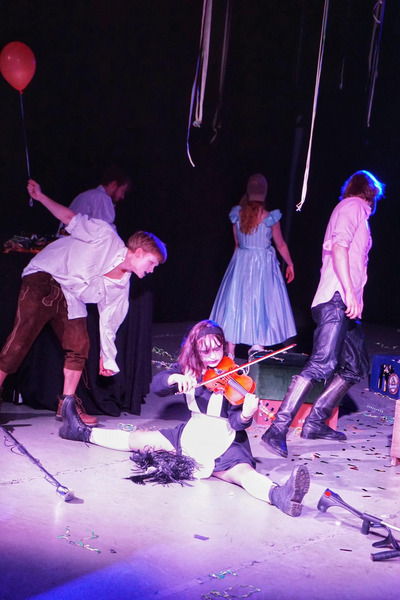
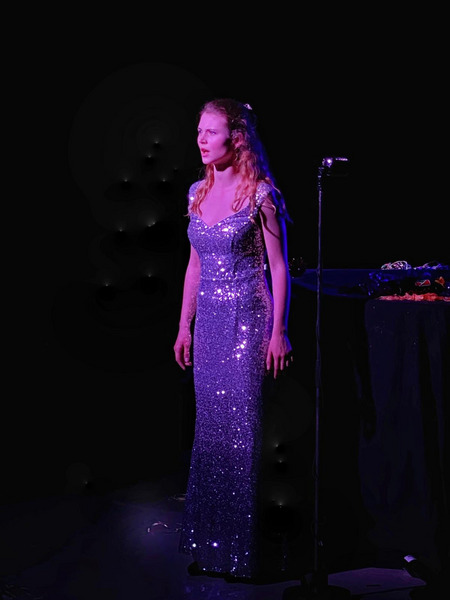
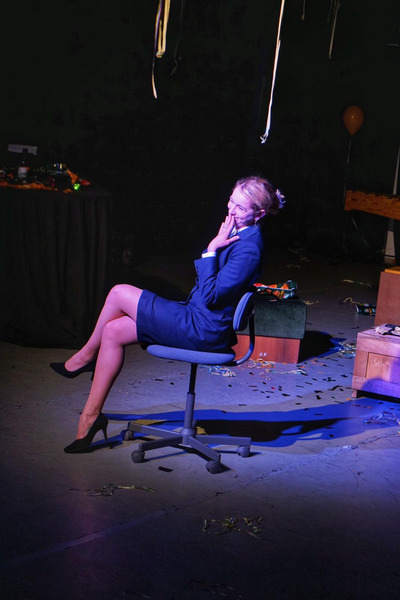
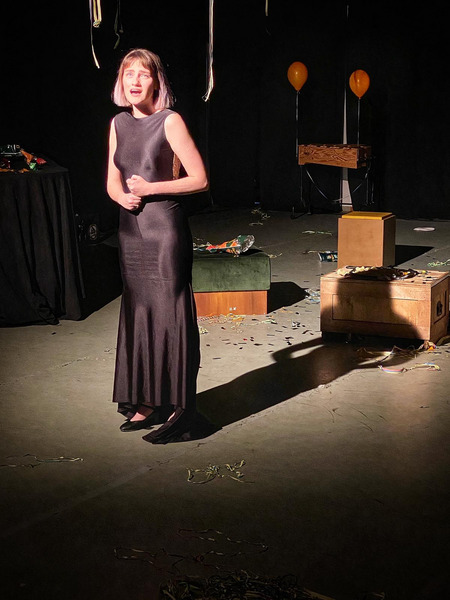
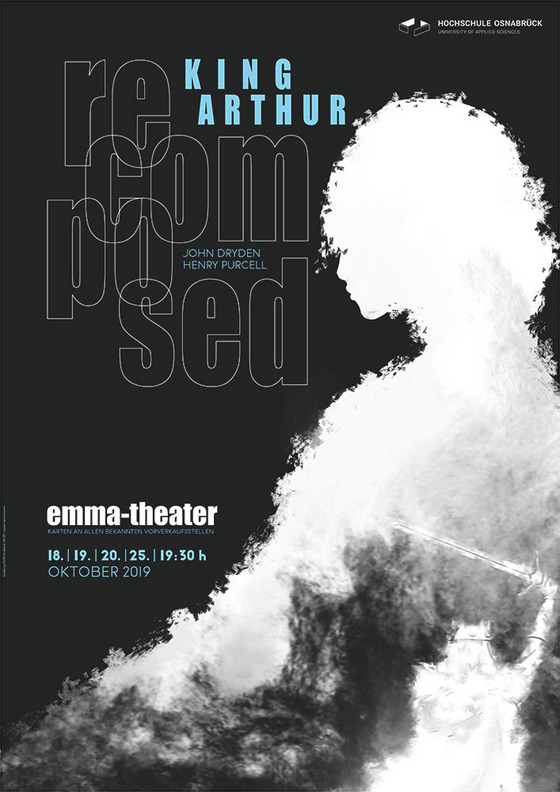
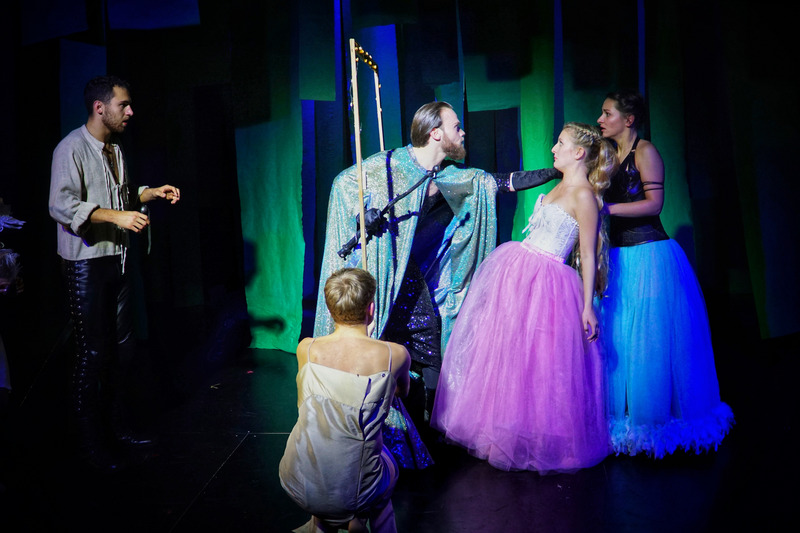
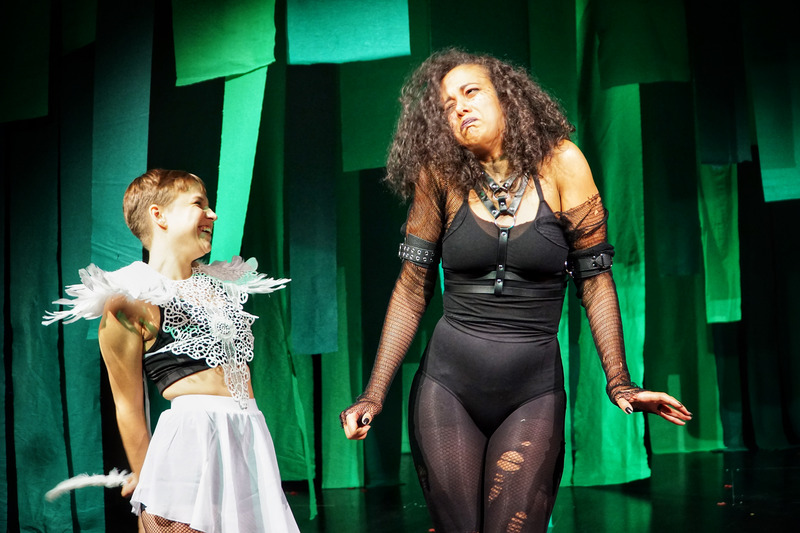
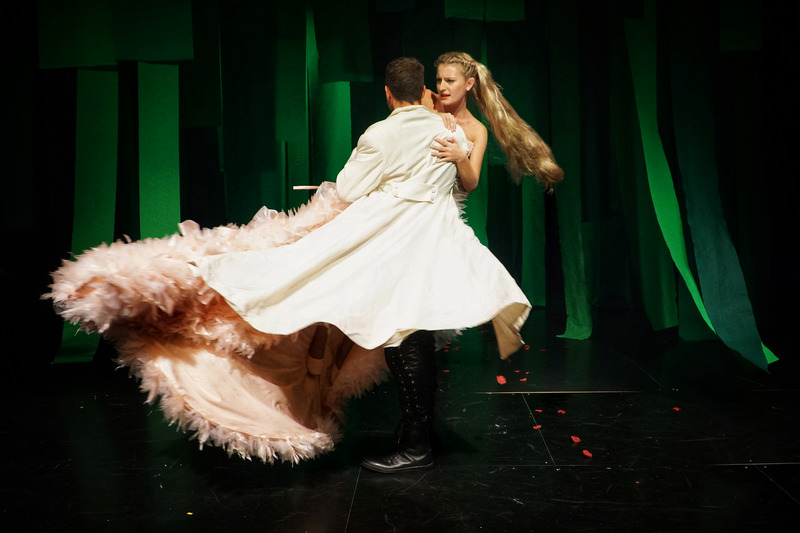
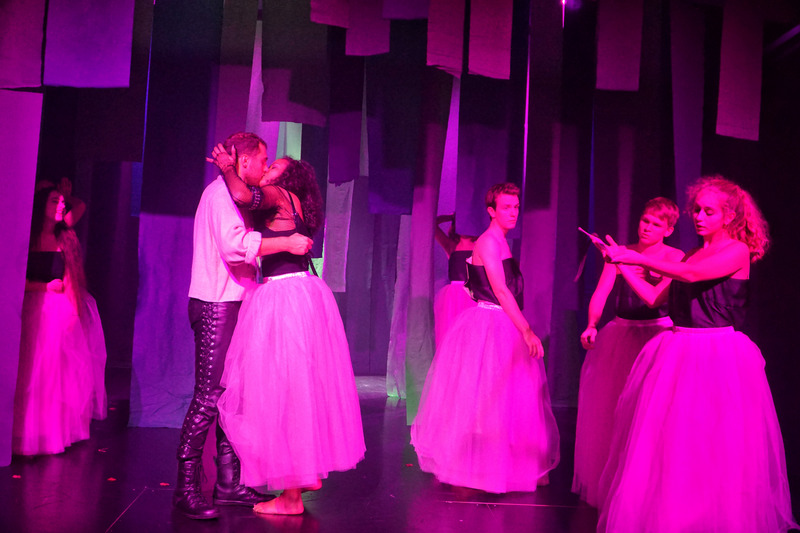
Semi-opera in five acts by Henry Purcell after a play by John Dryden.
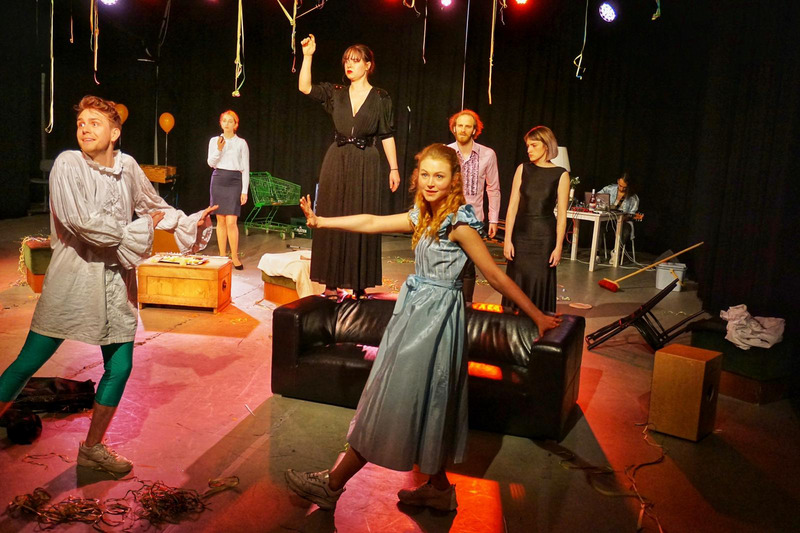
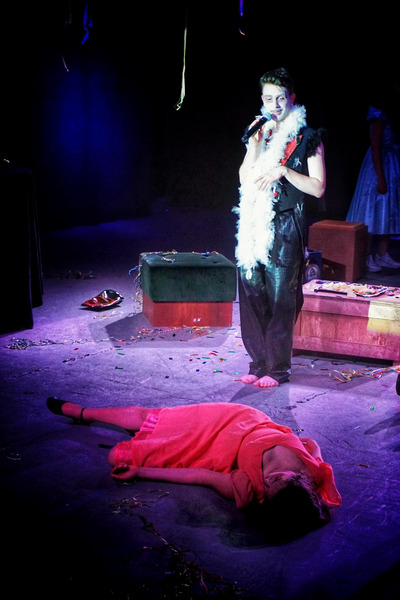
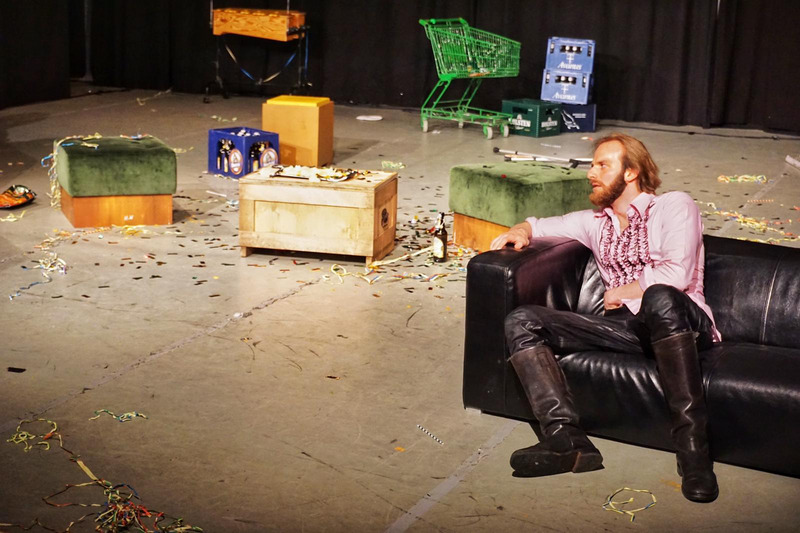
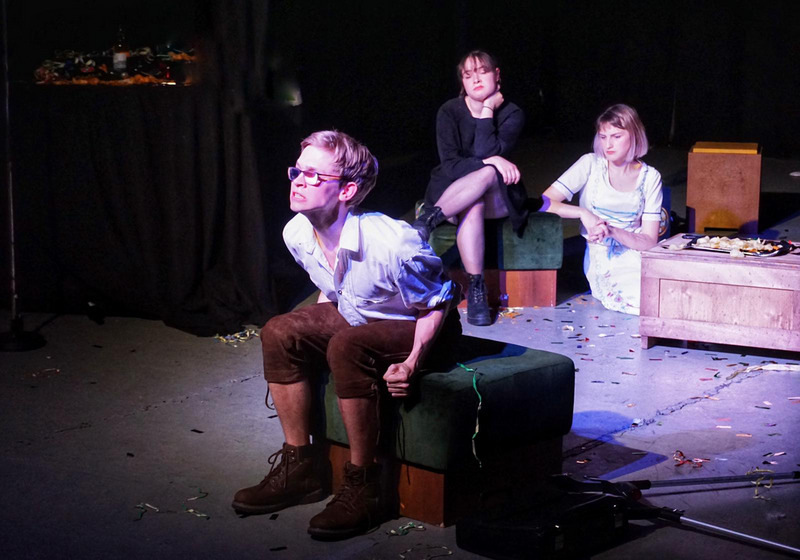
The Britons and the Saxons fight for supremacy. Under the leadership of the chivalrous King Arthur, the Britons draw their fighting strength from the Christian faith. The Saxons put their hopes in their King Oswald and follow pagan cults. Both sides would of course be lost without their sorcerers, who support them with white and black magic. And then there is the beautiful Emmeline, the blind daughter of the Duke of Cornwall, who is courted by both King Arthur and King Oswald. When the Saxons are defeated by the Britons, the Saxon king does not give up his claims but simply abducts the woman of his dreams. Arthur sets out to free his bride from the clutches of his rival.
With this “dramatic opera”, first performed at London's Dorset Garden Theatre in 1691, the English national poet John Dryden and Henry Purcell, already an important composer in his time, pulled off a veritable theatrical coup. Spoken and sung scenes combine organically. The catchy songs and dialogues are sometimes serious and solemn, sometimes witty and comic. In a sometimes tongue-in-cheek way, “Old England” is conjured up and with it the events surrounding the legendary King Arthur, who, with the magician Merlin and the air spirit Philidel at his side, wins every battle and defies all adversity.
KING ARTHUR is a wonderful acting and musical challenge for the young musical students of the Institute of Music. With the piece, they will bring a colorful “Baroque show” with dramatic dialogues and songs such as the Cold Genius's famous aria “What power art thou” – made popular as the “Cold Song” by countertenor and new wave icon Klaus Nomi – to the stage of the emma-theater. Direction is shared by the IfM drama teachers Markus Kopf, Gesche Tebbenhoff and Matthias Caspari. Alexander Kubica designs the stage set, and the musical direction is in the hands of Martin Wessels-Behrens.
Photos: Gesche Tebbenhoff
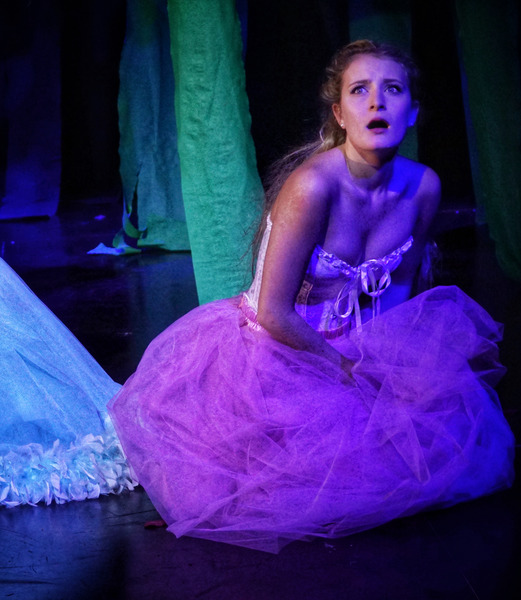
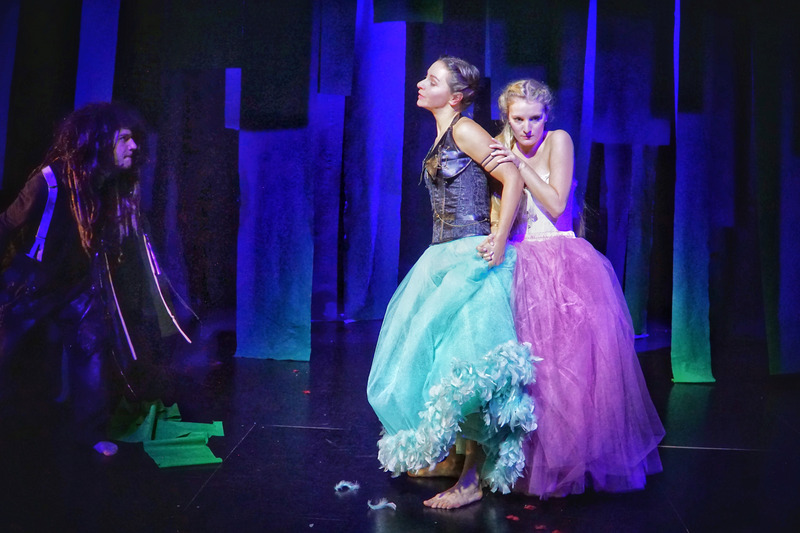
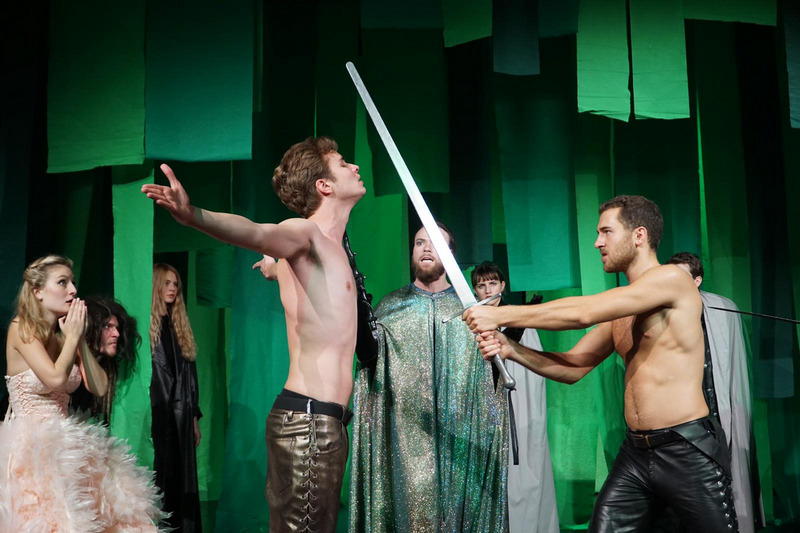
Premiere on March 17, 2018 at the emma-theater
by William Shakespeare
Version by the Institute of Music at Osnabrück University of Applied Sciences
Duke Prospero lives in exile with his daughter on an abandoned island. He has devoted himself to magic, and only the air spirit Ariel and the monster Caliban keep him company. Then, through chance and a magical storm, his enemies arrive on the island and fall into his hands ...
"Der Sturm" as a comedy? Isn't it also Shakespeare's testament? A revenge drama? A play about the restoration of power? A pastoral drama? A romantic love story? A philosophical drama? A metaphysical poem of metamorphosis? A colonial drama or a psychoanalytic case study? Let yourself be surprised.
After "Sommernachtstraum", "Was ihr wollt", "Wie es euch gefällt" and "Viel Lärm um nichts", William Shakespeare's "Der Sturm" follows as a drama production by the musical students of the Institute of Music at Osnabrück University of Applied Sciences. Once again – after the successful collaboration in previous years – the production is a cooperation with Osnabrück University: the students of the Department of Art/Art Education are responsible for the stage and costumes.

Premiere April 22, emma-theater
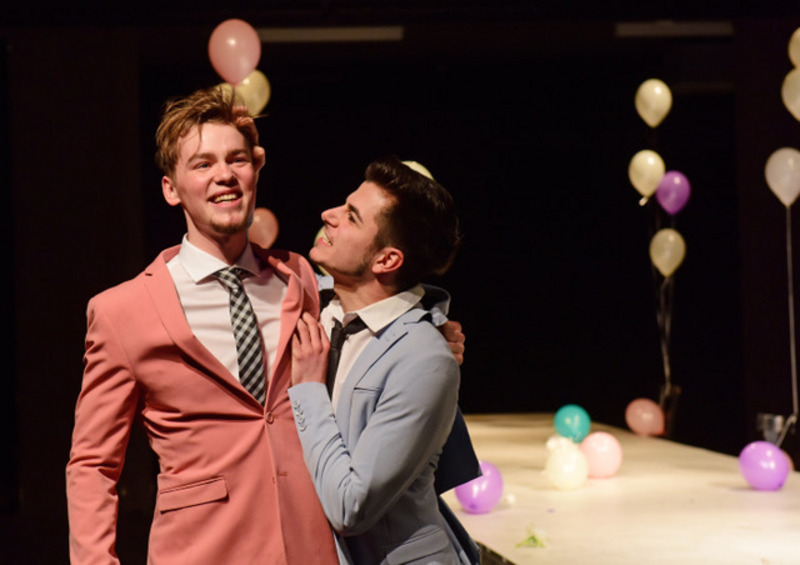
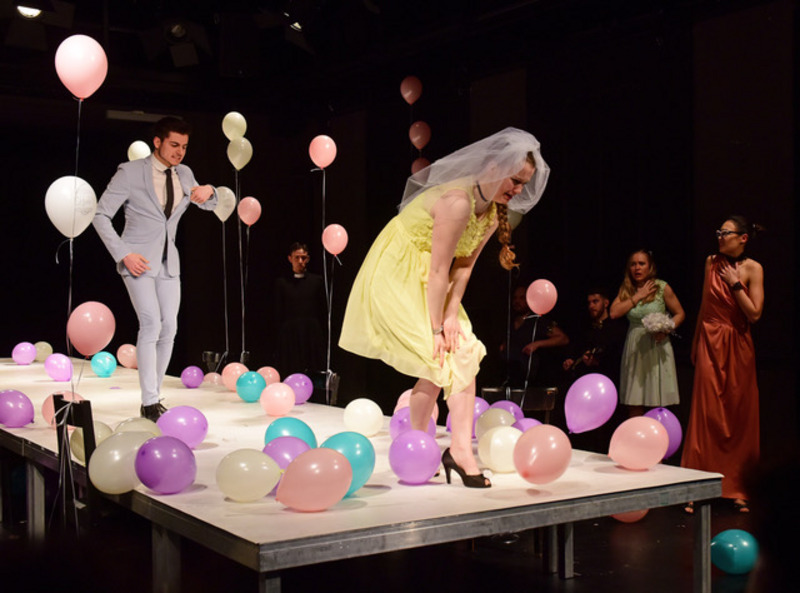
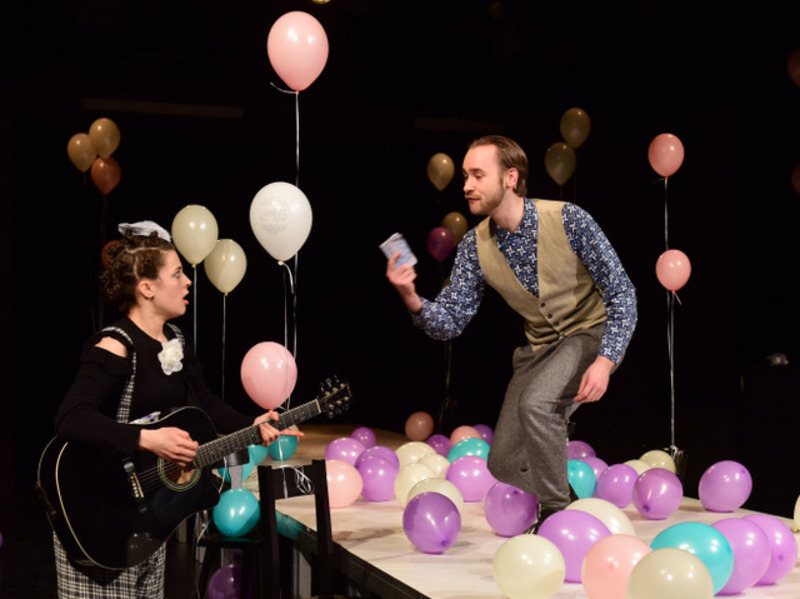
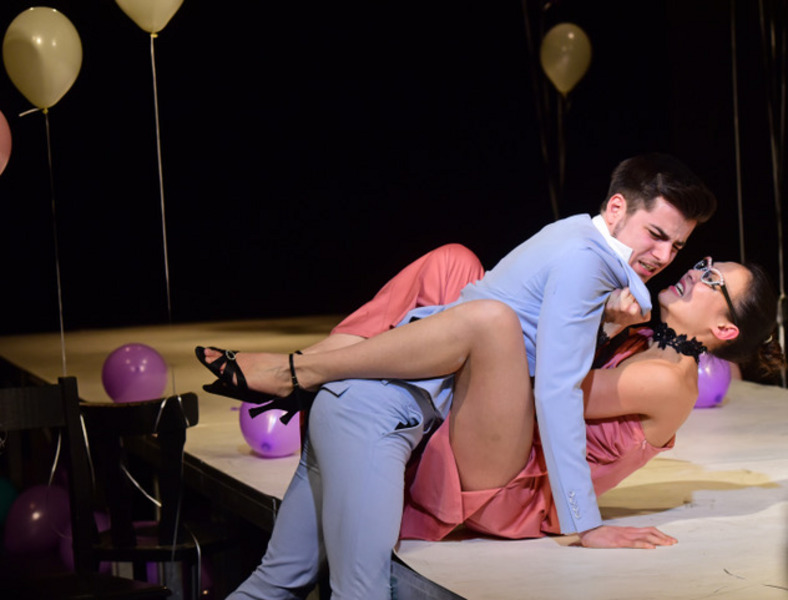
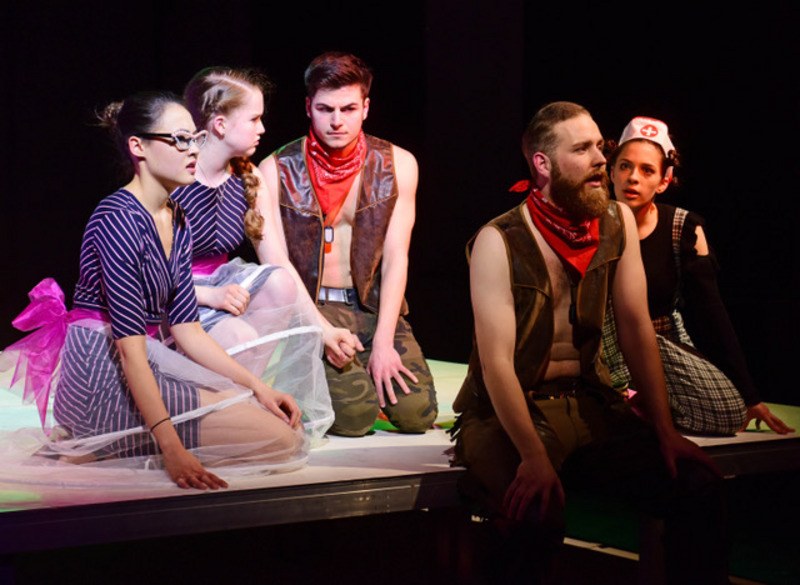
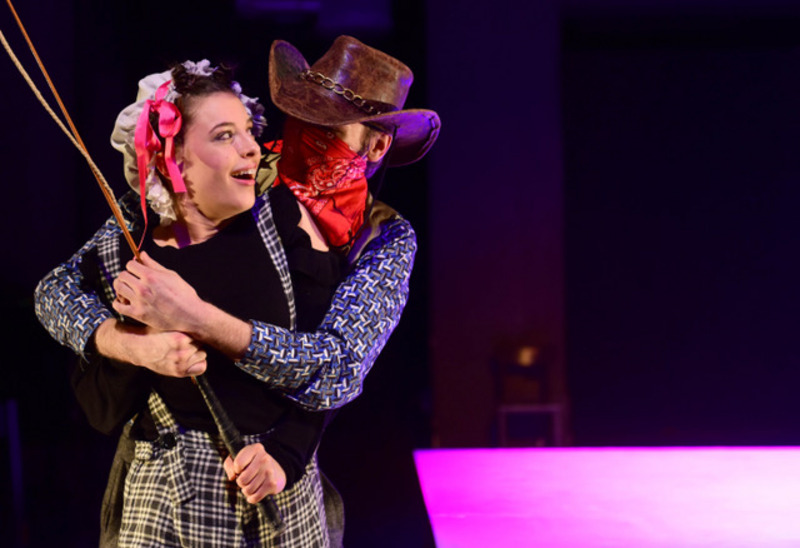
AfterVIEL LÄRM UM NICHTSby William Shakespeare
"When I said I would die a bachelor, I did not think I should live till I were married."
Comedy with music
The war is over. High-spirited and full of joy, Don Pedro, the Prince of Aragon, and his men Benedick and Claudio return from battle and stop at the house of Doña Leonata, the widowed governor of Messina. Claudio falls head over heels in love with her beautiful niece Hero, and soon the wedding is decided. Meanwhile, Doña Leonata's sharp-tongued second niece Beatrice and the prickly Benedick engage in heated battles of words.
To pass the time until the wedding, the merry company decides to make the quick-witted man-hater and the woman-scorner fall in love with each other. It soon becomes clear that the undertaking is not as hopeless as it seems at first. But then dark clouds gather on the horizon: Don John, the stepbrother defeated in the war, out of malice tries to portray the bride as unfaithful and thus prevent the wedding to Claudio. With the help of his subordinate Borachio, the plan succeeds: the wedding falls apart at the altar, whereupon Hero falls into a deathlike faint…
The comedy, written by Shakespeare around 1600, is distinguished above all by the many humorous battles of words between its protagonists. The sharp-tongued comments and retorts and their malicious dialogues about friendship, love and marriage make Viel Lärm um nichts one of Shakespeare's most popular and most frequently performed plays.
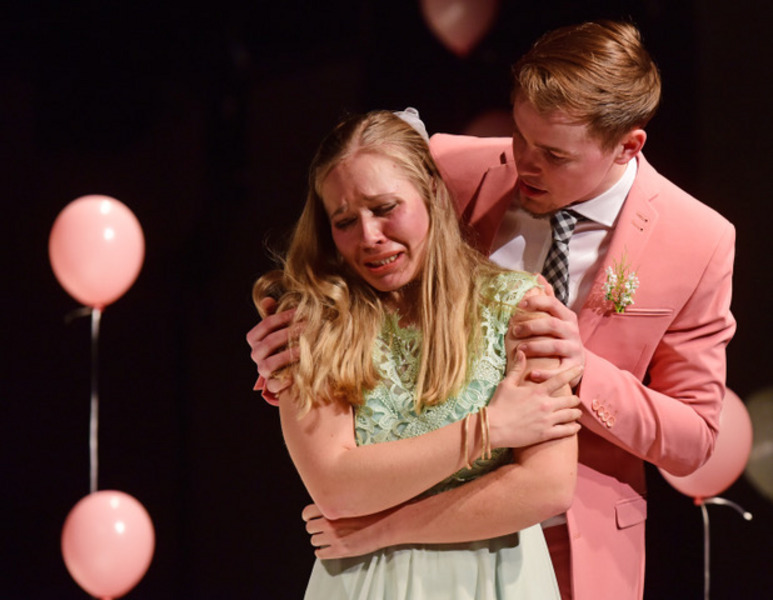

Premiere on March 13, 2016
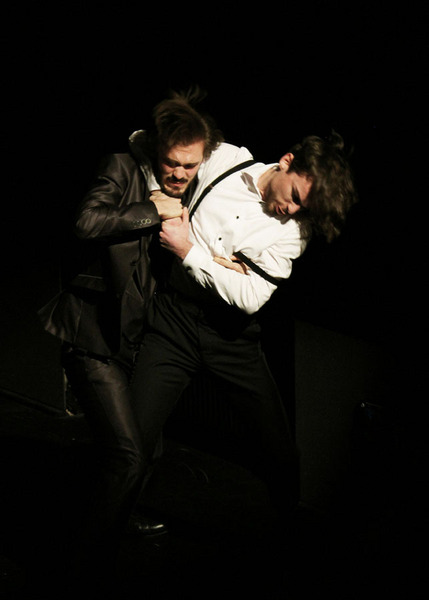
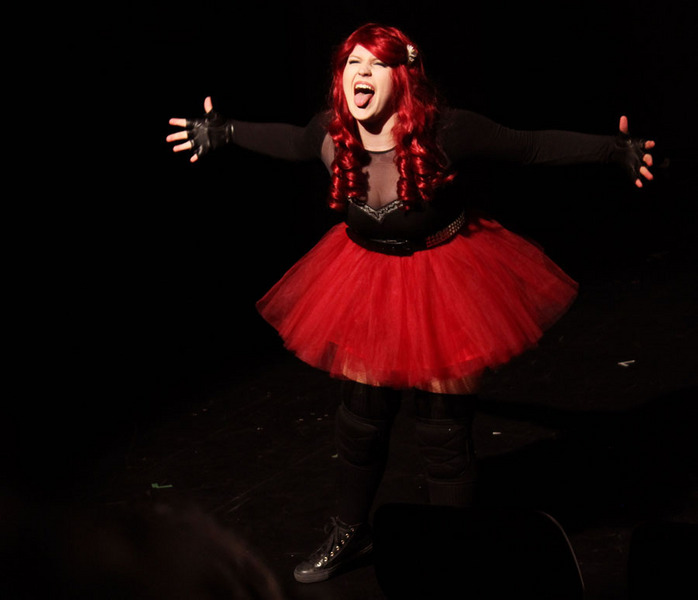
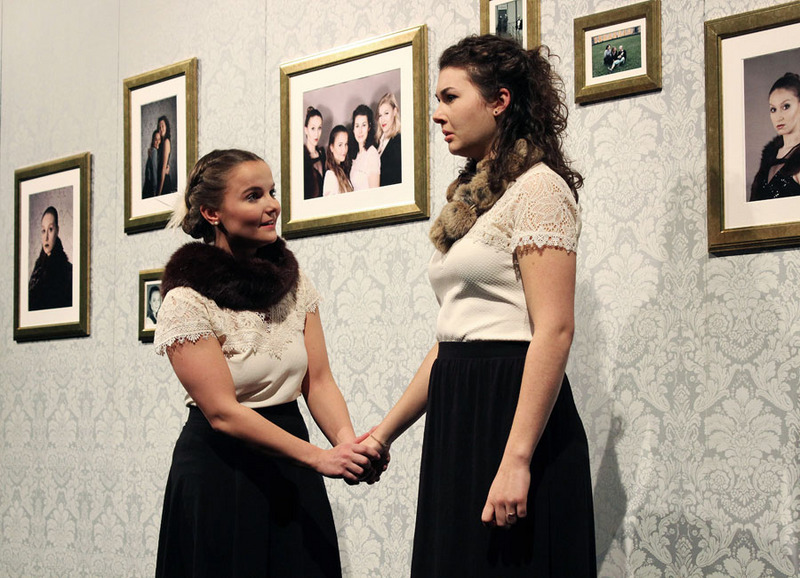
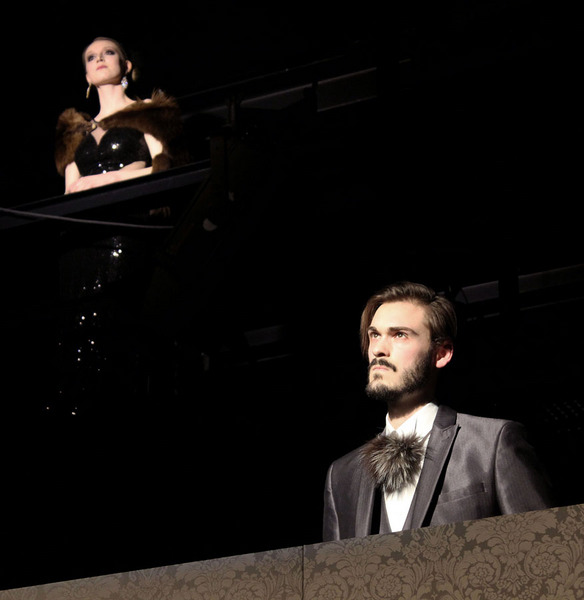
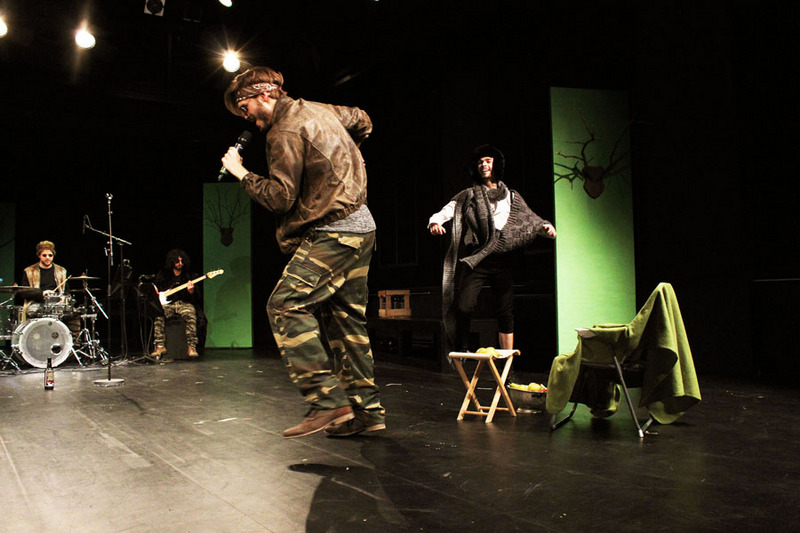
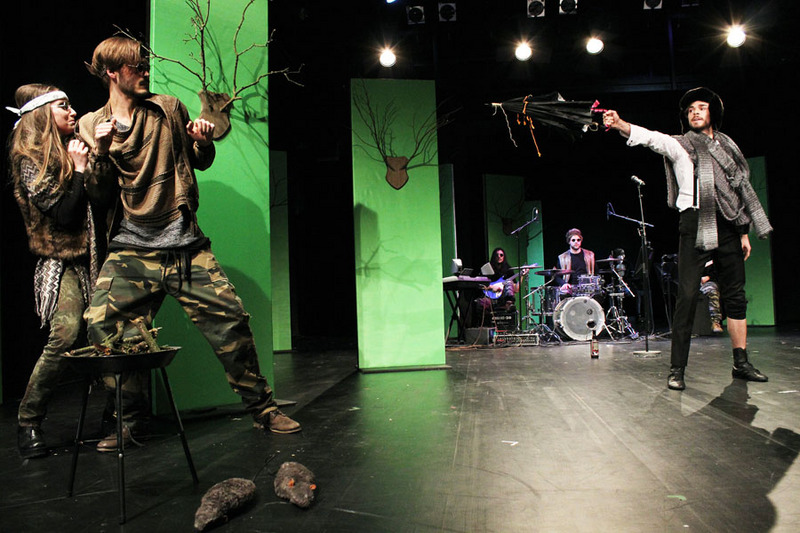
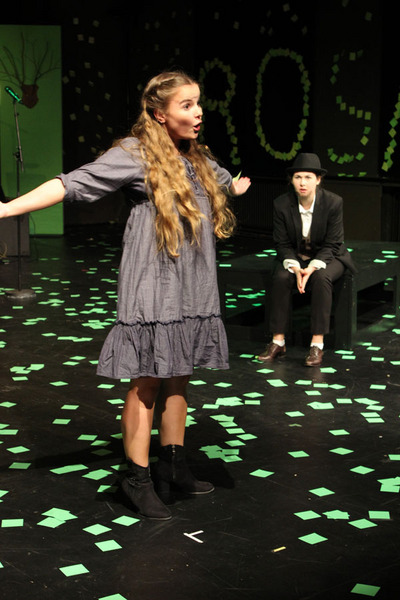
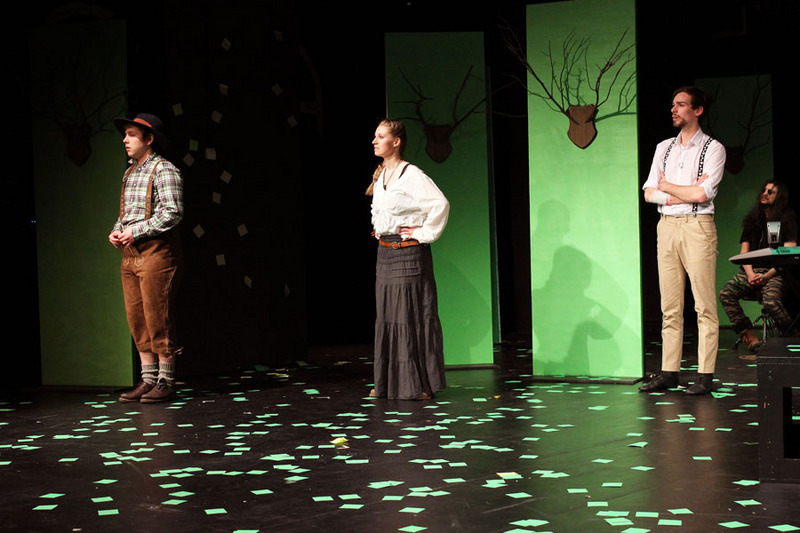
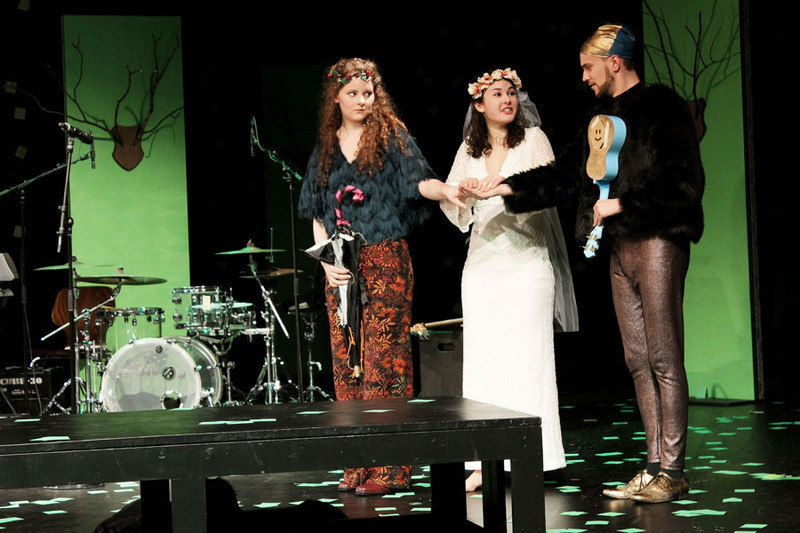
WIE ES EUCH GEFÄLLTby William Shakespeare
“All the world's a stage, and all the men and women merely players.”
Romantic comedy with music
The air at court has become cold and uncomfortable. The Duchess has been deposed by her sister Frederike and banished from court. The new Duchess's spies are everywhere. But her daughter Celia is the best friend of Rosalind, the daughter of the old Duchess. That is why Rosalind is allowed to stay at court.
Orlando, youngest son of the late Sir Rowland de Boys, is cheated out of his inheritance by his brother and threatened with death. Out of weariness he fights Charline, the new Duchess's prize wrestler, and thus the whole regime. With his victory, Orlando wins Rosalind's heart and draws the wrath of the new Duchess. He is forced to flee.
Rosalind is eventually banished too. Disguised as a young man, Ganymede, and accompanied only by Celia and the sharp-tongued fool Touchstone, she flees to the Forest of Arden.
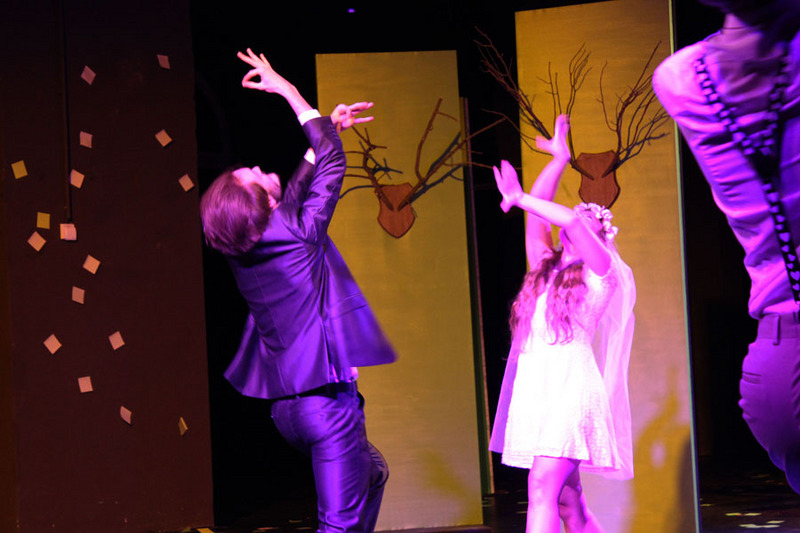
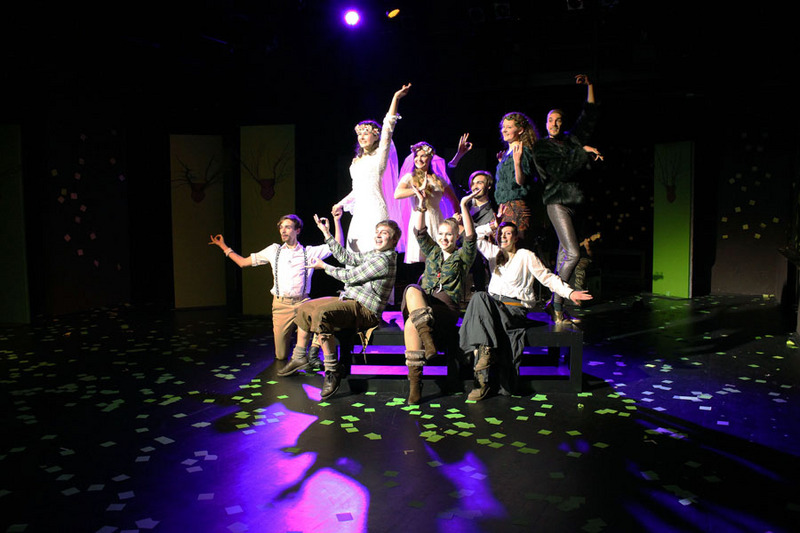
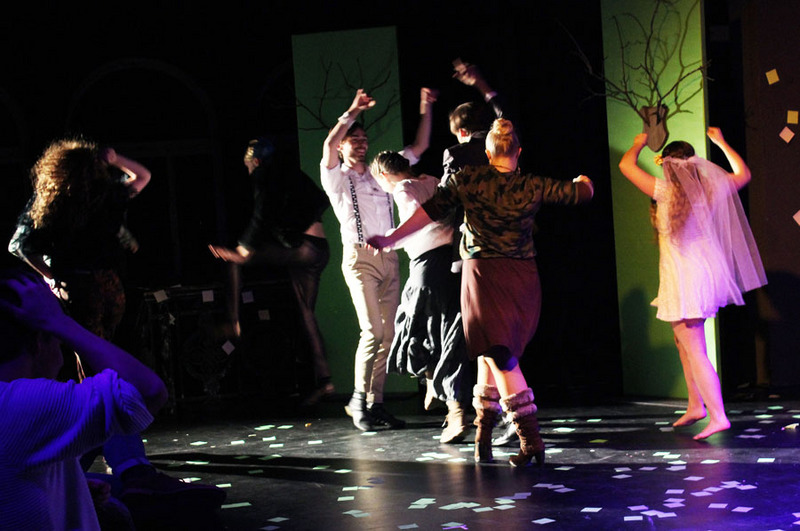
In the Forest of Arden, all the refugees find shelter. There, shepherds and goatherds meet exiles, dropouts and philosophers. This forest is on the one hand an arduous wilderness and on the other a place of utopia; the idyllic opposite of dictatorial court life, a space free from power politics. Beyond hierarchies, people sing and debate here in the forest, opposites dissolve, and the lost, the seeking and the loving come closer to each other beyond conventions. But where does this state of emergency lead? Everything seems possible, no identity is certain anymore, until not only Orlando asks himself: how do I actually know who I am?
The play with desire and fulfillment, with feigned and genuine, returned and unrequited love, makes Shakespeare's “Wie es euch gefällt” a comedy that is as light-footed as it is profound. And which of his plays is better suited to honor the 400th anniversary of Shakespeare's death, since the title “As YOU Like It” is the motto of the most successful theater entrepreneur of his time, who always knew what his audience wanted to see.

Premiere on February 28, 2015
Was ihr wollt
by William Shakespeare
“If music be the food of love, play on... ”
A storm at sea separates the twins Sebastian and Viola. While the sea swallows Sebastian, it washes Viola up on the shore of Illyria. Alone in a strange world, she decides to disguise herself as a man and enter the service of Duke Orsino.
Illyria is a strange place whose inhabitants revolve around themselves.
Viola falls in love with Orsino. But Orsino is in love with Olivia. She, in turn, wants nothing to do with him because she is mourning her dead brother.
But the Duke's messenger of love, the disguised Viola, wins her heart.
The girl as a man loves a man, and the man who is a girl is loved by a woman.
And next door, Olivia's entourage is romping around: her drunken cousin Toby with his bosom friend Andrew, her lady-in-waiting Maria and the steward Malvolio.
Malvolio, as drunk on his virtue and his ego as Toby is on his alcohol, imagines that Olivia loves him; Andrew, also keen on Olivia, hopes Toby can set them up; Maria wants to land the noble Toby.
Toby, on the other hand, wants his fun, his peace and his alcohol;
And on top of that, to get rid of the troublesome Malvolio and the Duke's strange messenger of love, who throws everything into confusion.
And Viola's twin brother Sebastian? Did he survive after all?
Another one of those tricky, tangled Shakespeare comedies.
In the end there is the happiness of life in the form of lovers,
but death always lurks in the background.
And on the way, the characters encounter obstacles and intrigues, reflections and mistaken identities – and often the characters also encounter themselves.

Premiere on February 16, 2014
Ein Sommernachtstraum
by William Shakespeare
“A Midsummer Night's Dream” is Shakespeare's comedy hit, the stage's long-seller, performed worldwide, always new and always different, from the school auditorium to Broadway.
“Let me play the lion too!”
A Shakespeare play you think you know before you have seen it for the first time.
A play about the confusions and sorrows of love: the Athenian Duke Theseus is disturbed in his wedding preparations. For a father demands his right: his daughter Hermia is to marry Demetrius, but she loves Lysander, who in turn is loved by Helena. Theseus gives Hermia the choice of obeying her father – and thus the law – going to a convent or dying. Hermia and Lysander flee into the forest, followed by Helena and Demetrius. But in the forest nature rules, not reason. Oberon, King of the Fairies, is in a lovers' quarrel with his queen Titania, and Puck, Oberon's servant, causes hopeless confusion among all the lovers. Caught in between are Athenian craftsmen who, with the holy seriousness of amateurs, want to perform the drama of Pyramus and Thisbe – a parody of Romeo and Juliet – at the ducal wedding, among them of course Bottom, who also wants to play the lion...
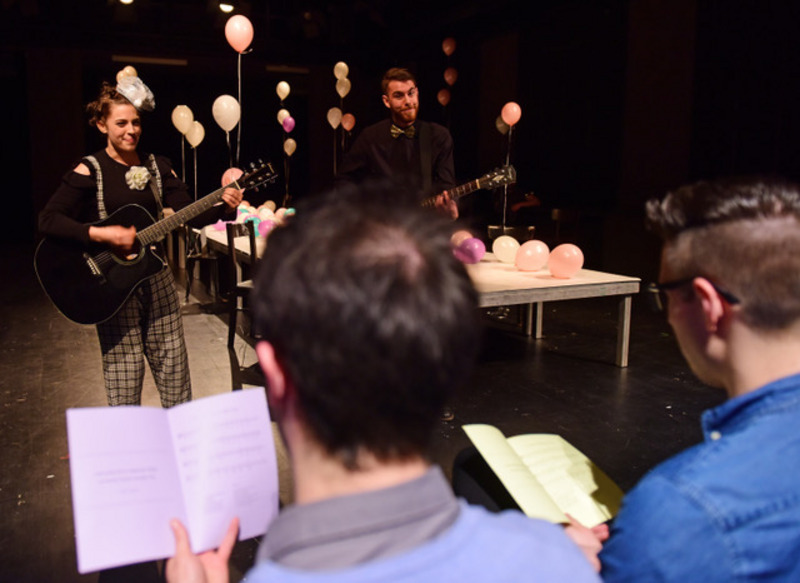
Musical LAB
In the Musical Lab, first-year Musical students at Osnabrück University of Applied Sciences are asked to actively create an evening of music themselves. The texts and songs were chosen by the students themselves or developed together with music creators. Teachers support the creative processes as equals, help with choosing repertoire and with the staging. The LAB is meant to be a place to try out what theater might look like in the future. A collaboration of creative artists on an equal footing.
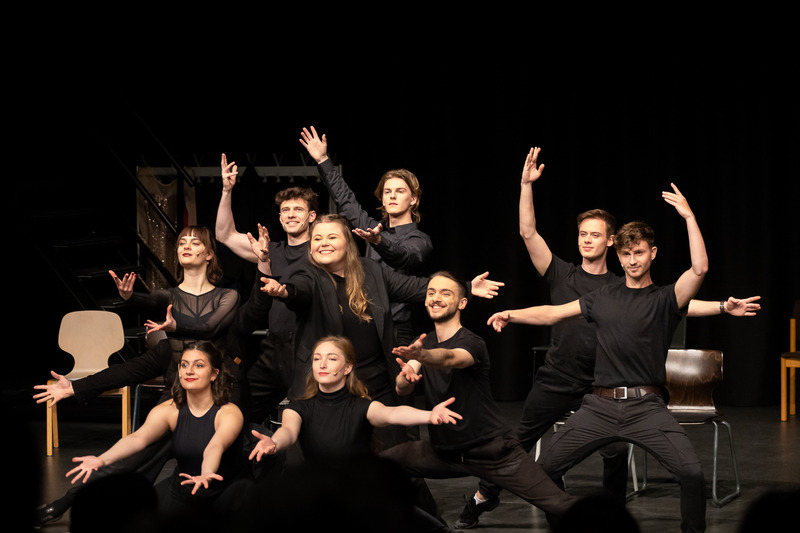
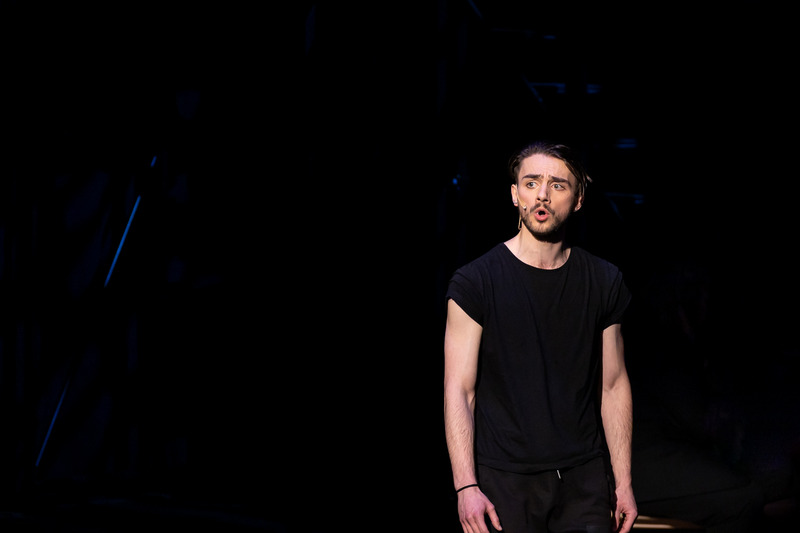
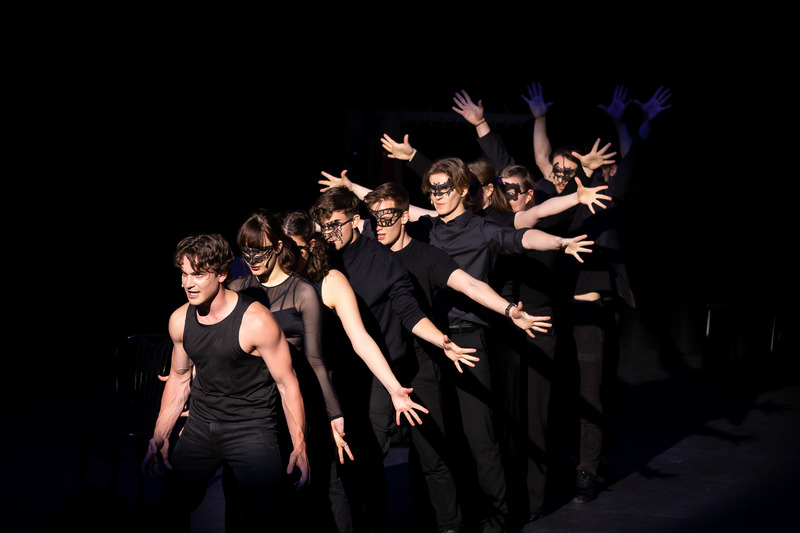
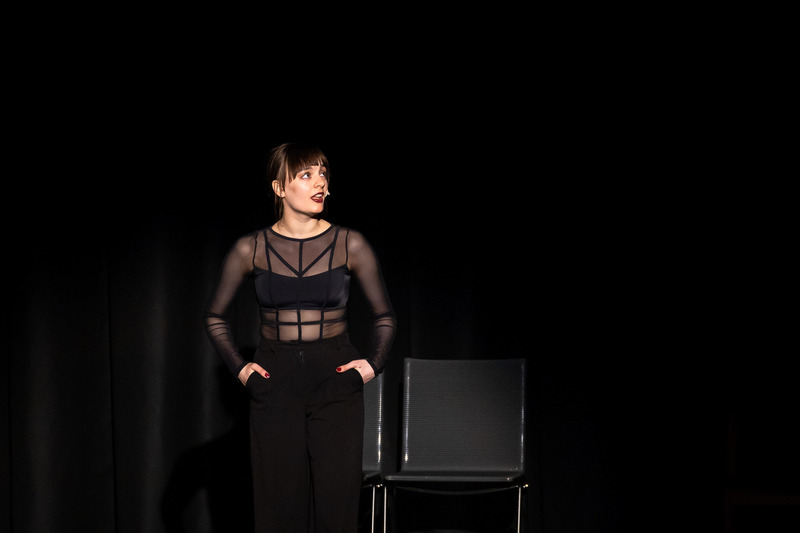
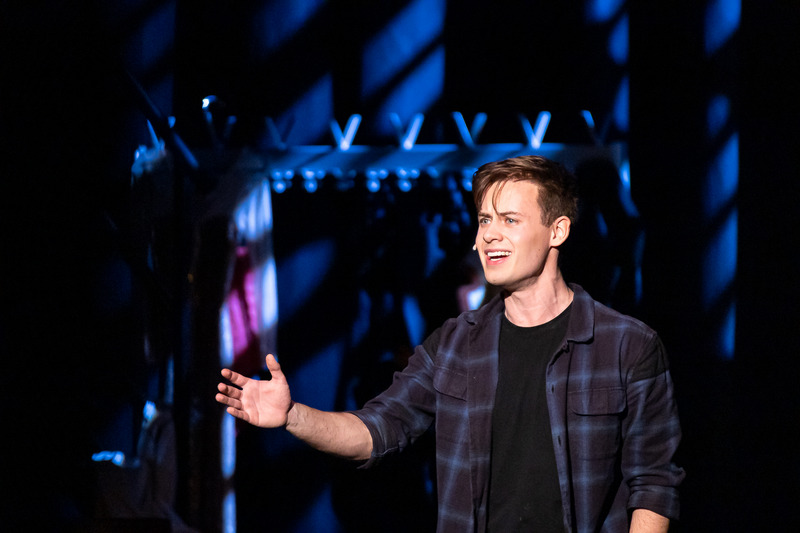
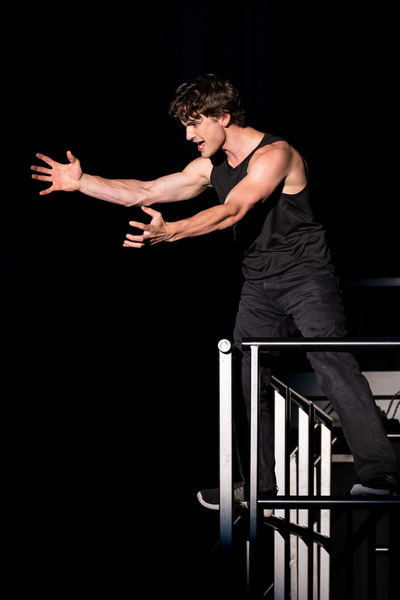
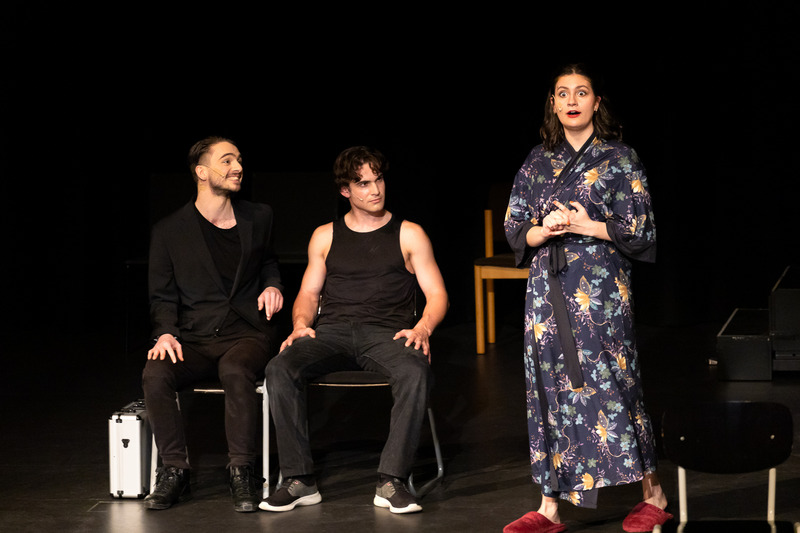
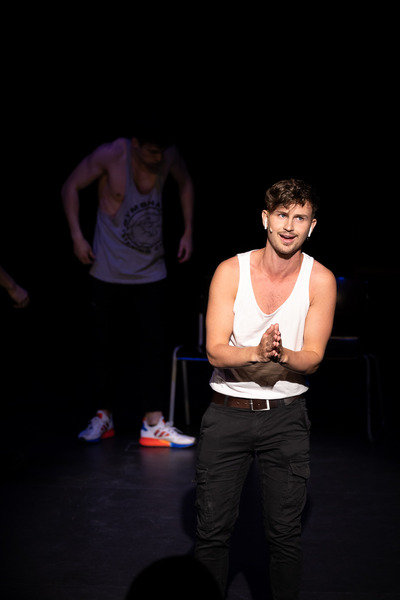
ZuMUTung
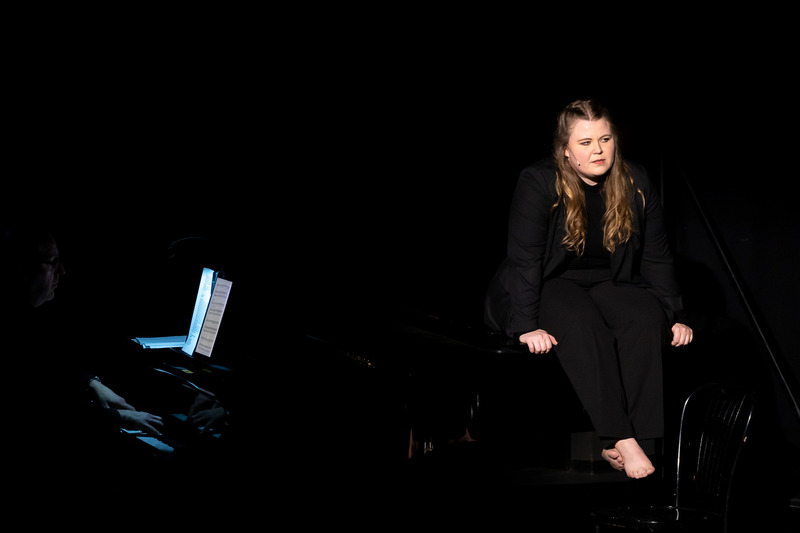
A staged song recital
Premiere on March 18, 2023, Institute of Music, Plektrum
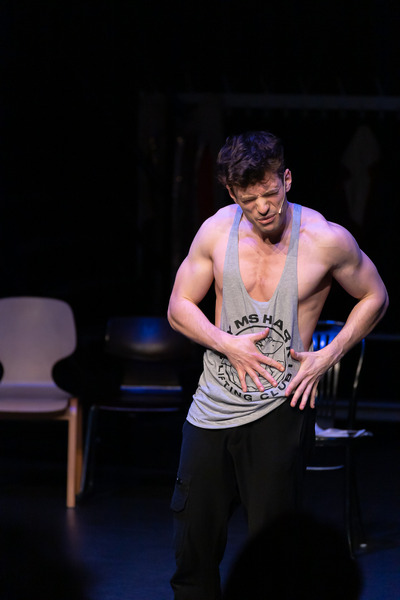
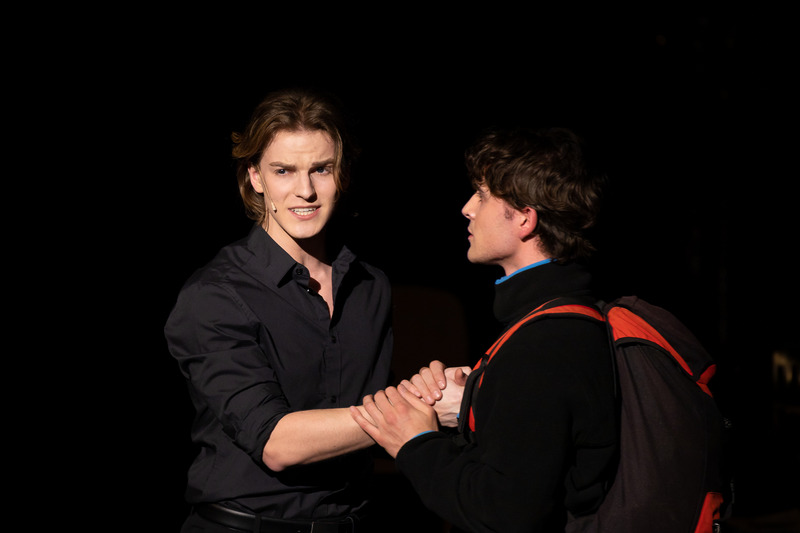
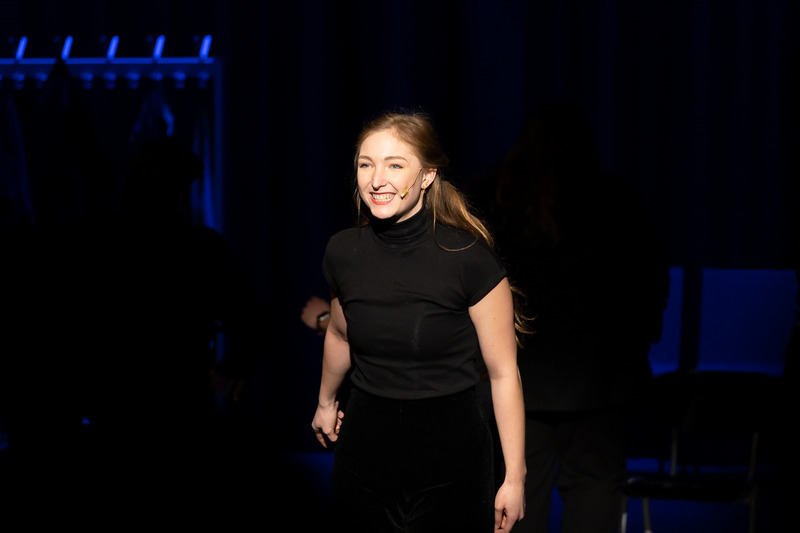
The modern world is an imposition – a ZuMUTung. No question. It overwhelms many people and gives them the feeling that they can no longer see their way through. Information is accessible everywhere. We are constantly bombarded from all sides with completely unsorted news from "social networks". This overstimulation is intensified by globalization and constantly advancing technical development. Everyone is informed and has an opinion on everything. The coronavirus pandemic and Russia's war of aggression against Ukraine are ideal model cases for watching a seemingly enlightened society react to unforeseen extreme situations. And the emerging supposedly scientific thinking ensures that the old edifices of belief crumble and old certainties dissolve. A process that many people experience as a loss of security. Difference, change and uncertainty are encountered everywhere. All of this first and foremost disturbs cherished habits.
We live in a restless world. And it has actually always been that way, only in the past autocratic systems ensured that hardly anyone had to worry about it. It only concerned a small elite who acted and knew. That has changed. Mostly under the much-sung banner of freedom, which the recipients of this freedom often did not understand at all. For the freedom that our constitution grants everyone actually transfers the responsibility that "the state" used to claim to the citizens. Every decision made in freedom carries its own consequences. And this responsibility for decisions often leads to people feeling overwhelmed, because clarity disappears and negotiation processes almost never lead to clear fronts but to temporarily unstable states. It is a real imposition – a ZuMUTung.
Ultimately, our lives are full of impositions that require constant negotiation by every individual. And we all carry our own ZuMUTungen around with us. A staged song recital by the second-semester students of the Musical program.
Team and cast:
With and by:Djamila Al-Slaiman / Jonas Blahowetz / Philipp Faustmann / Christoph Gründinger / Lukas Löbner / Francesca Mai / Rinus Render / Clara Schönberner / Janina Steinbach / Leo Taubert
Staging support:Matthias Caspari / Sascha Wienhausen
Choreography:Francesca Mai
Piano:Christopher Wasmuth
Photos:Leander Berthold
ON THE EDGE
A staged song recital for the Week of Brotherhood
Premiere on March 19, 2022, Institute of Music, Plektrum
“On the edge” can refer to many things. Humor is sometimes on the border of hurtful remarks. The line between love and friendship is thin, and unfortunately the question of war and peace is often on a knife's edge. We know gay, Black or, for example, Jewish as names for certain groups, but also as parameters of exclusion. This was the basic idea for tonight: where is a line crossed and where is it just about respected?
“Those who conform to the norm can fall prey to the error that it does not exist,” writes Carolin Emcke in „Gegen den Hass“. This norm often marks the boundary of exclusionary behavior and sometimes makes us oversensitive and sometimes insensitive, which can sometimes mean the same thing.
The second idea was to mainly use music created by Jewish composers or writers. While in classical music we have rediscovered a large number of composers and their works have been returned to the repertoire, the large number of compositions by Jewish composers of popular music and chanson remains almost undiscovered. On Broadway, many Jewish composers shape the market, but Jewish composers also dominated the most important stages in Berlin in the 1920s and 1930s. Almost 90 percent of all works of popular music go back to composers of the Jewish faith, and some of them are still little known today. No one associates Edith Piaf's “Padam … Padam” with Norbert Glanzberg, the actual composer of this world-famous chanson. It is time to bring this great treasure of wonderful compositions back into the repertoire. We can only guess what German musical theater would look like if these composers had survived or had been able to stay in Germany.
Team and cast:
With and by:Salyma Chatty / Nuno Dehmel / Amani El Sadek / Jonas Helmers / Laetitia Hippe / Tobias Gerisch / Daniel Nothnagel / Strato Stavridis / Tim Stolberg / Pauline Weschta
Staging support:Matthias Caspari / Sascha Wienhausen
Piano:Christopher Wasmuth
Photos: Leander Berthodt