20 years of management in nonprofit organisations M.A. (2006–2026)
Anniversary celebration on September 11 and 12, 2026 - Speakers
Speakers (A-Z)

Thea Marie Blume combines research, teaching, and knowledge transfer in her work: As a Research Associate in the GROWTH research and transfer project, she draws on insights from the social, political, and behavioral sciences to address issues of target group integration and impact evaluation. In addition, as an adjunct lecturer at Osnabrück University of Applied Sciences, she teaches introductory seminars in the social and political sciences, where she builds on her pedagogical background to develop innovative, student-centered teaching formats. Her doctoral research focuses on the political science analysis of the role and functions of universities and universities of applied sciences in liberal democracies, particularly with regard to their stabilizing role in Germany and beyond.
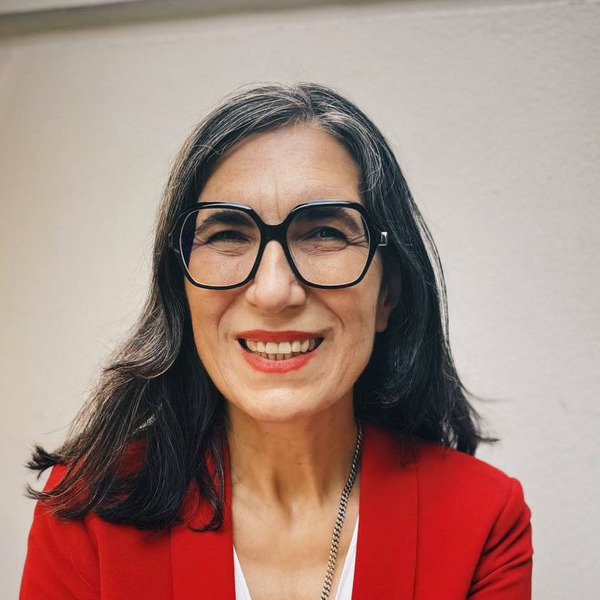
Selmin Çalışkan works as a strategy consultant and executive coach in Berlin. Until 2023, she served as Director of Institutional Relations at the Berlin office of the Open Society Foundations, representing the organization in the fields of politics, the foundation sector, media, and civil society. Previously, she served as Secretary General of Amnesty International Germany, acted as a sparring partner for the German government, and was responsible for restructuring and financial growth. Before that, she represented medica mondiale as a policy and advocacy expert in dealings with governments, the ICC, development cooperation, and the “Women, Peace, and Security” agenda, and organized actions and campaigns with local human rights activists in war and crisis zones such as Afghanistan, Liberia, the DRC, and Kosovo. For decades, she has been active both domestically and internationally as an intersectional feminist and human rights expert, and draws on her relevant leadership, policy, and organizational experience to advise others who are committed to a more social and just world.
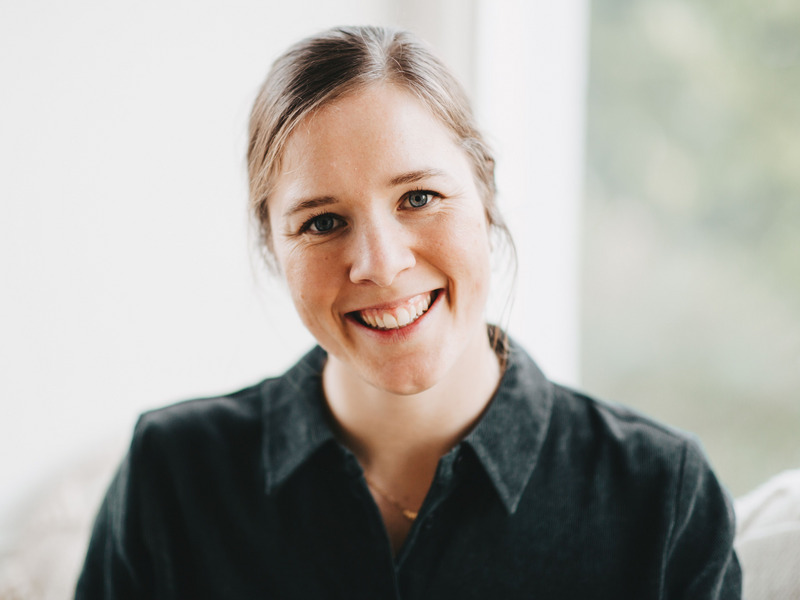
Marlene Eimterbäumer is a sustainability sociologist, researcher, and lecturer specializing in social innovation and sustainability transformations. She is currently pursuing a joint PhD at the Brandenburg University of Technology Cottbus-Senftenberg and University of Applied Sciences Osnabrück, where she investigates the concept of the Circular Society and its role in enabling sustainable societal change. With a background in nonprofit management, project leadership, and academic teaching, she combines research and practice to address complex sustainability challenges. Her work focuses on circular economy transitions, systems change, social entrepreneurship, and the development of innovative approaches that contribute to resilient and sustainable communities.
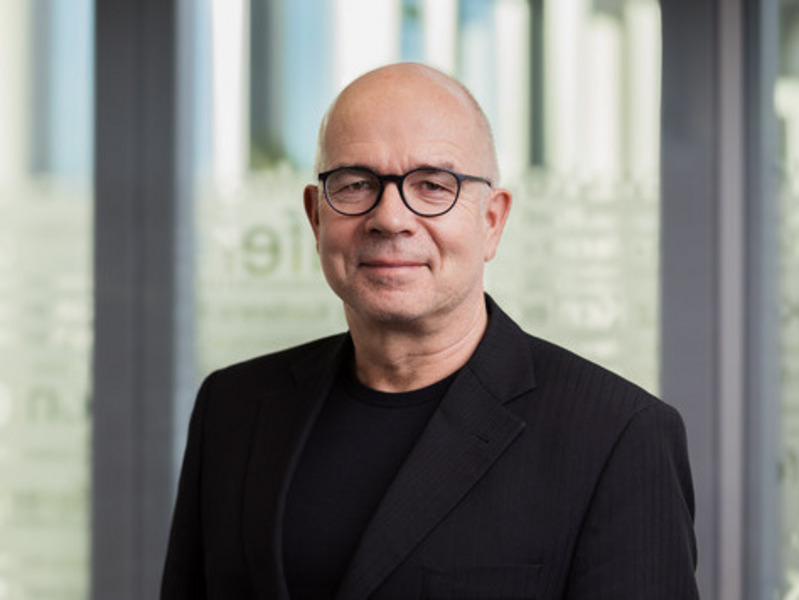
Ralf Garten has been with Osnabrück University of Applied Sciences since 1995, where he heads the Communications and Marketing Division as well as the University Development Division. He also serves as the university’s press spokesperson. He earned a Diplom degree in General Mechanical Engineering (Osnabrück University of Applied Sciences) and a master’s degree in Corporate Publishing (University of Leipzig). From 1995 to 1999, he was involved in research and teaching in the Finite Element Methods (FEM) research group at Osnabrück University of Applied Sciences, after which he transitioned to university and science communication. He has been active in the Federal Association for Higher Education Communication (BV_HKOM) since 2014, focusing on IQ crisis communication, and played a leading role in the development of the Handbook on Emergency and Crisis Management. Since 2018, Ralf Garten has served on the BV_HKOM Executive Board, where he is responsible for finance, member services, and technical support. In this role, he focuses, among other things, on further developing the association’s financial processes, organization, licenses, and services, as well as refining conference and event concepts.
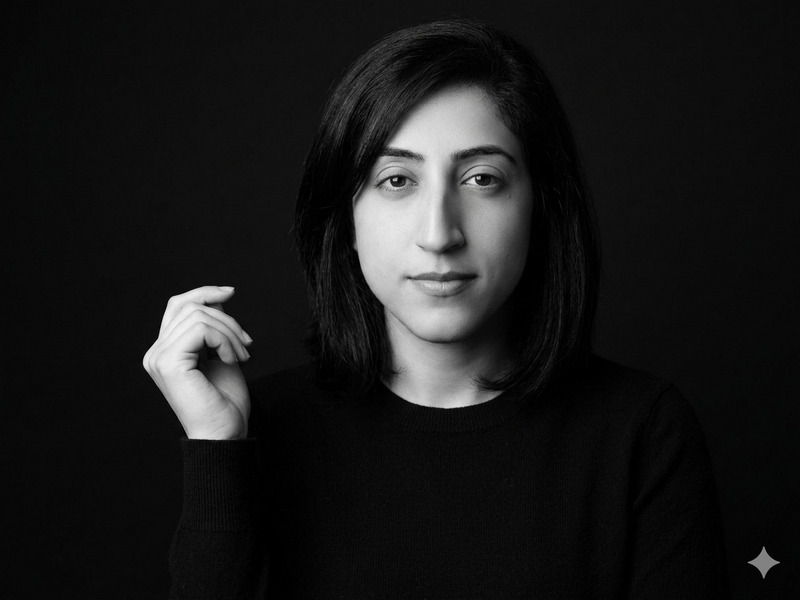
Sofia Khan is a development professional with over 10 years of experience in governance, education, and international aid implementation in Pakistan. A DAAD scholar, she holds a Master’s in Management of Non-Profit Organizations from the University of Applied Sciences Osnabrück. She has worked with leading international development organizations, including UNDP, GIZ, USAID, and FCDO, gaining extensive experience in implementing complex, multi-year, large-budget programmes. Sofia has also served as a key focal person for coordination among international donors, government counterparts, and community stakeholders. Her research interests focus on strengthening institutions and critically examining how intermediary layers within aid systems shape delivery and impact at the community level.’
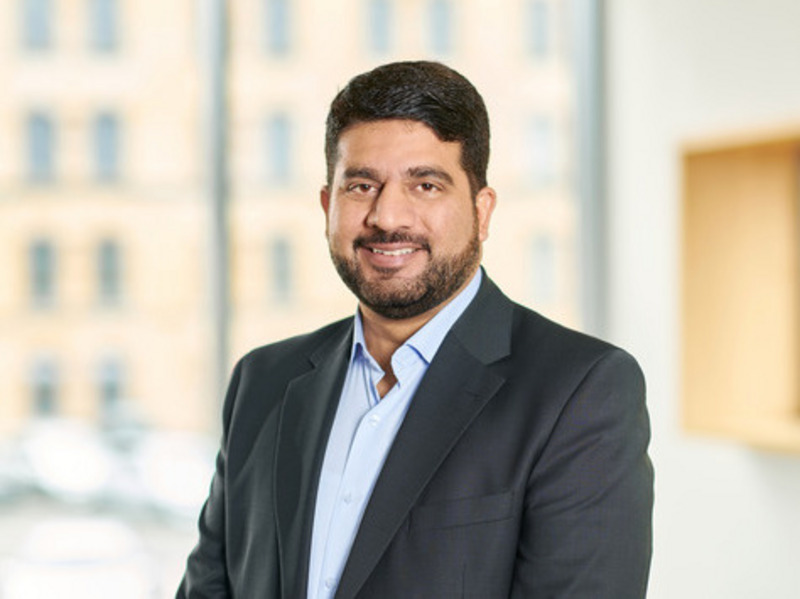
Prof. Dr. Umer Khayyam
The Master's in Management of Nonprofit Organisations program successfully acquired third-party funding from the DAAD for a long-term lectureship. Dr. Umer Khayyam join us at the university of applied sciences Osnabrück for two semesters. Khayyam is a unique choice because he studied in our degree program as a DAAD Helmut Schmidt Program scholarship holder in the 2010-2012 cohort. He completed his doctorate at the University of Münster and returned to Pakistan, where he has been a professor at the renowned National University for Science and Technology (NUST) for several years. His research focuses on gender, intersectionality, and climate change.
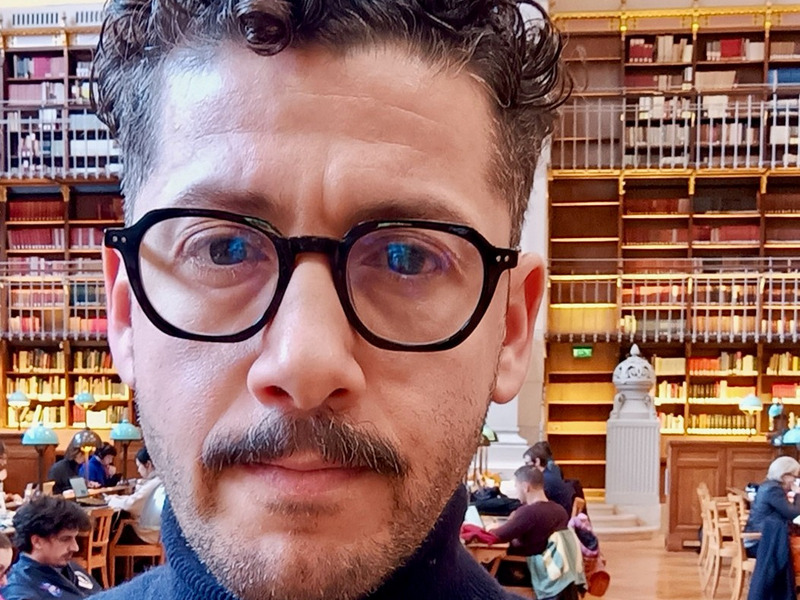
Dr. Yasser Kosbar is an adjunct professor and education specialist with over a decade of experience focusing on internationalisation of higher education. He earned his PhD in International Education and Development from the University of Sussex, where he has also served as a Research Fellow at the Centre for Higher Education and Equity Research (CHEER). Dr Kosbar’s work sits at the intersection of international academic mobility, gender, and, most recently, the human-centred, ethical governance of artificial intelligence in education (AIED). Throughout his career, he has collaborated with prominent international think tanks and multilateral organisations, including UNESCO, UNICEF, UNCTAD, ODI, and the OECD, supporting educational policy and digital learning initiatives across Europe, the Middle East, and Africa. He is fluent in Arabic, English, German, and French.
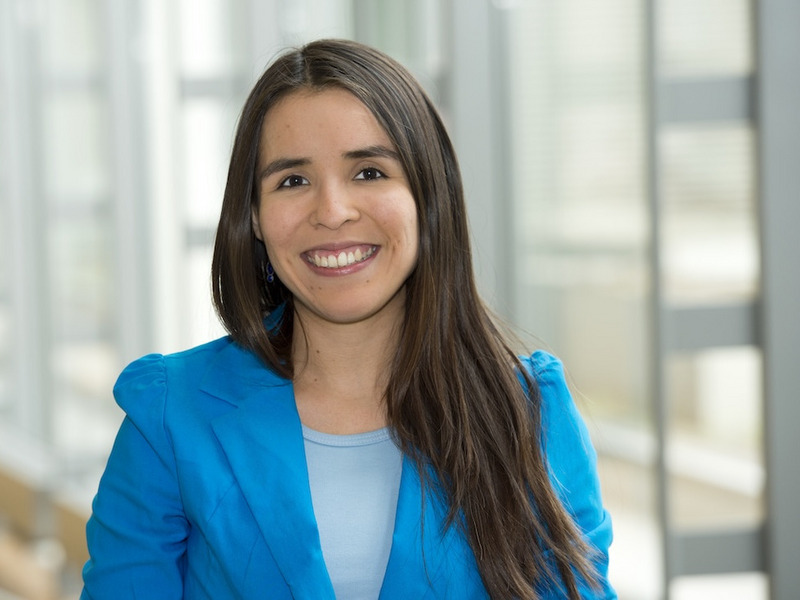
Dr. Mayra Martin Espinosa holds a PhD in Development Studies from the Center for Development Research (ZEF) at the University of Bonn, where she explored the online communication and mobilization of civil society actors in times of crisis for transformative action in Colombia. Prior to that, she obtained a Master’s degree in Management in Non-Profit Organisations from the Osnabrück University of Applied Sciences. To conduct her doctoral research and master’s studies, she was awarded a scholarship by the German Academic Exchange Service (DAAD). Mayra’s professional experience includes coordinating donor-funded projects, strengthening civil society networks, and delivering capacity-building initiatives.
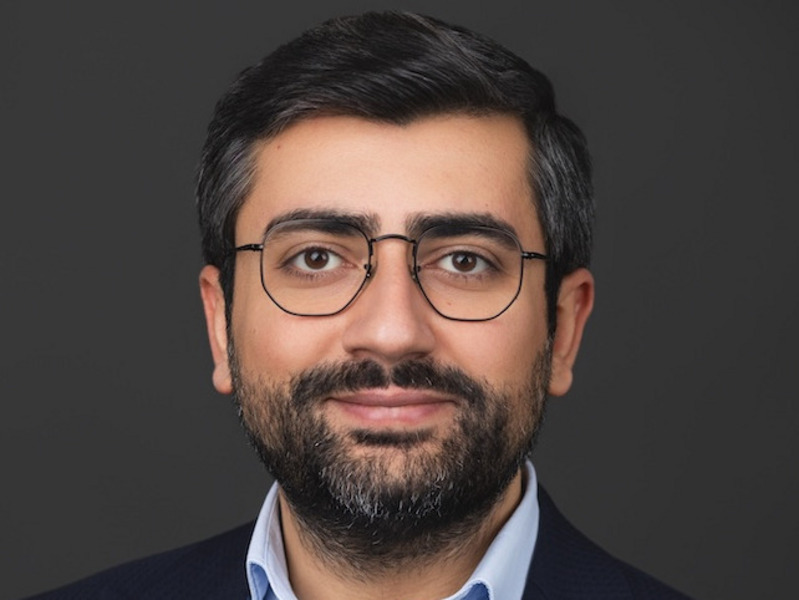
Dr. Murad Nasibov is a political scientist and policy analyst specialising in Eurasian regionalism, security, authoritarianism, civil society and international organisations. He is a Postdoctoral Affiliate at Justus Liebig University Giessen and has worked on EU Horizon and DFG-funded projects, combining academic research with policy-oriented analysis and consultancy. His work spans peer-reviewed scholarship, novel datasets, think-tank publications and stakeholder engagement across Europe and Eurasia. He has taught widely in political science and security studies, advised international organisations and policy clients, and brings 15 years of experience in research, project leadership, methodology, and regional political analysis.
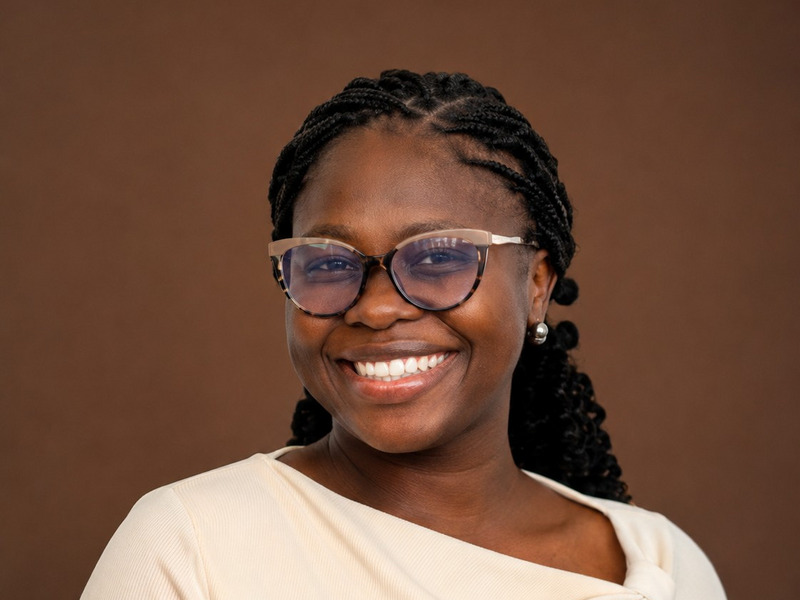
Oluwakamiye Tabitha Olorunfemi is a DAAD Helmut Schmidt Scholar and Master’s student in Management in Non-Profit Organisations at Hochschule Osnabrück University of Applied Sciences, Germany. She currently serves as President of the Student Association for Nonprofit Management e.V., where she contributes to student leadership, engagement, and the practical application of nonprofit management knowledge. She has a background in law, governance, policy research, and nonprofit leadership, with strong interests in global development, institutional effectiveness, gender and social equity, and education policy in low- and middle-income countries. She is the founder of A Child Needs Me Initiative, a nonprofit organisation focused on child welfare and education, and Team Lead of the Oyo State Lily Pads Project, a period poverty initiative that has impacted over 800 girls. As a current student, association president, and emerging nonprofit leader, Oluwakamiye brings a practical and reflective perspective to discussions on nonprofit management, leadership, social impact, and the future of civil society organisations.
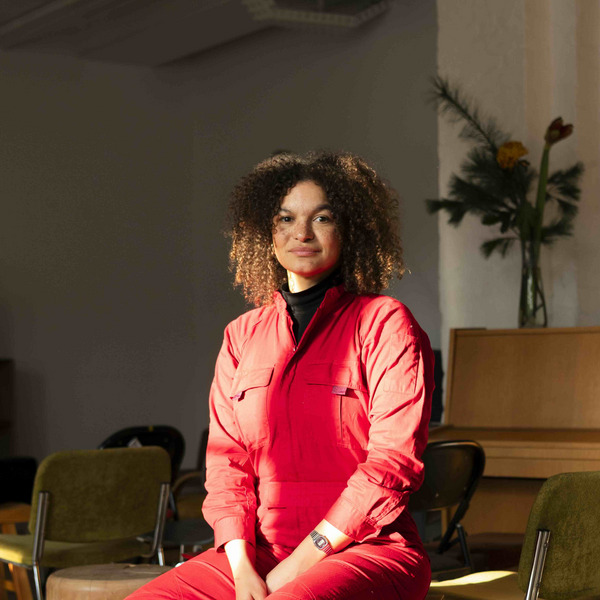
Noëmi Sander, Radical Daughter
Noëmi Sander works primarily as a trainer, strategist, and coordinator for political and social organizations. She combines educational and anti-discrimination work in creative workshops. In her work, she combines the analysis of various forms of discrimination and their interrelationships with practical, participatory methods. Through interactive and creative formats, she creates spaces where participants can critically engage with power dynamics, privilege, and feminist strategies for action.

Kaushal Sapkota is a Visiting Researcher at the Chair of Public and Nonprofit Management – HR and Change at the University of Freiburg, where he is conducting a scoping review on race and ethnicity in organizational change and teaching an undergraduate seminar on Nonprofit Board Governance and Leadership. Kaushal is nearing the completion of his Ph.D. in Planning and Public Affairs from the School of Planning, Public Policy, and Management at the University of Oregon, USA. His dissertation examines the individualized, institutionally individualized, and institutionalized contexts of university student volunteering in Nepal, his home country. Kaushal's research and academic interests extend to nonprofit management, higher education's third mission, volunteering, diaspora civil society, and teaching about the third sector. He uses both qualitative and quantitative methods in his work. Kaushal's academic background also includes an Erasmus Mundus joint master's degree in Research and Innovation in Higher Education from the University of Continuing Education Krems, Austria, and Tampere University, Finland, where his thesis was on developing a framework to evaluate third mission initiatives of a business school in Nepal. Kaushal also has a Master of Nonprofit Management from the University of Oregon and a Bachelor of Business Information Systems from Kathmandu University
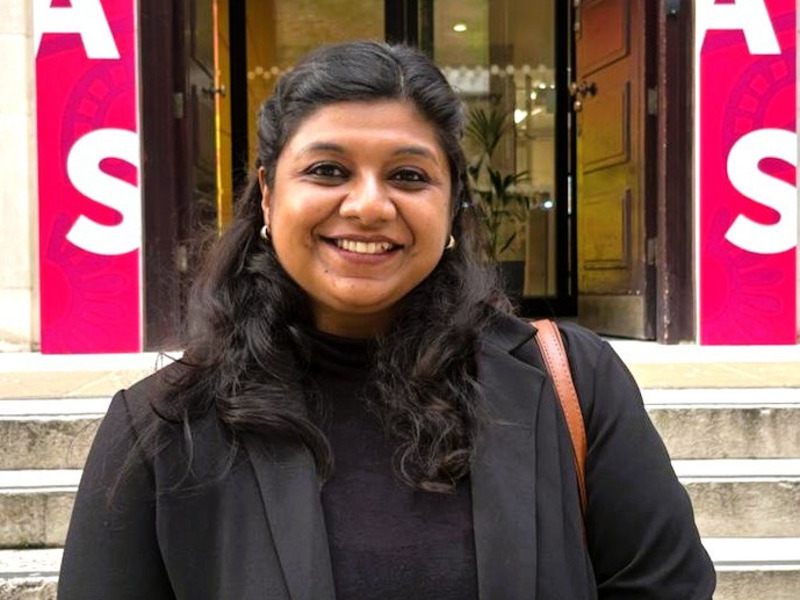
Soumya Saxena is a Gender Lead at ActionAid Association, India, working on gender-based violence, women’s rights, and community-led development. Her work focuses on strengthening survivor-centred systems and analysing shifts in funding landscapes and their implications for grassroots feminist organisations. She has contributed to programmes on anti-trafficking, LGBTQ+ rights, and women’s economic empowerment across multiple contexts. Soumya holds a Master’s in Humanitarian Assistance from Ruhr University Bochum, Germany, and a law degree from National Law Institute University, Bhopal. Her research interests include feminist political economy, localisation, and the governance of development funding.
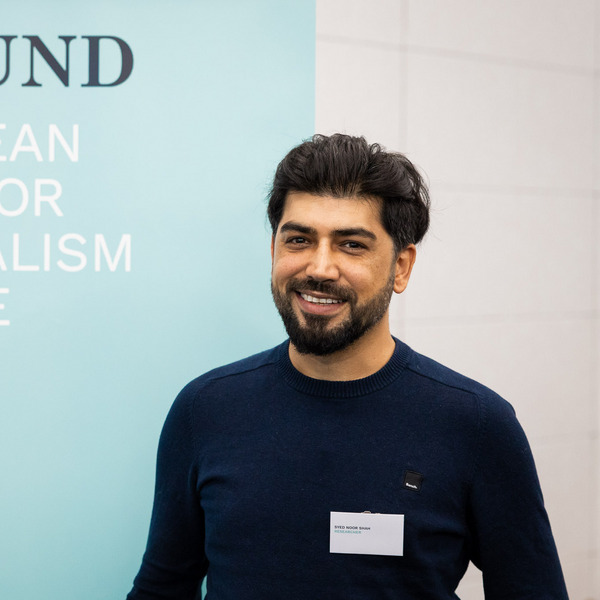
Dr. Syed Shah is a postdoctoral researcher based in Berlin, specialising in migration, political sociology, and urban studies. He completed his PhD with distinction and international mention, examining the dynamics of extremism, gender, and social transformation. His current research project, MIRA, explores how populist anti-migrant rhetoric shapes the political agency of migrant communities, particularly women activists, through a combination of discourse analysis and ethnographic fieldwork. His work bridges academic research, policy relevance, and civil society engagement, including his role with the Afghanistan Committee in Berlin. He is currently developing proposals for major European funding schemes, including ERC and MSCA.
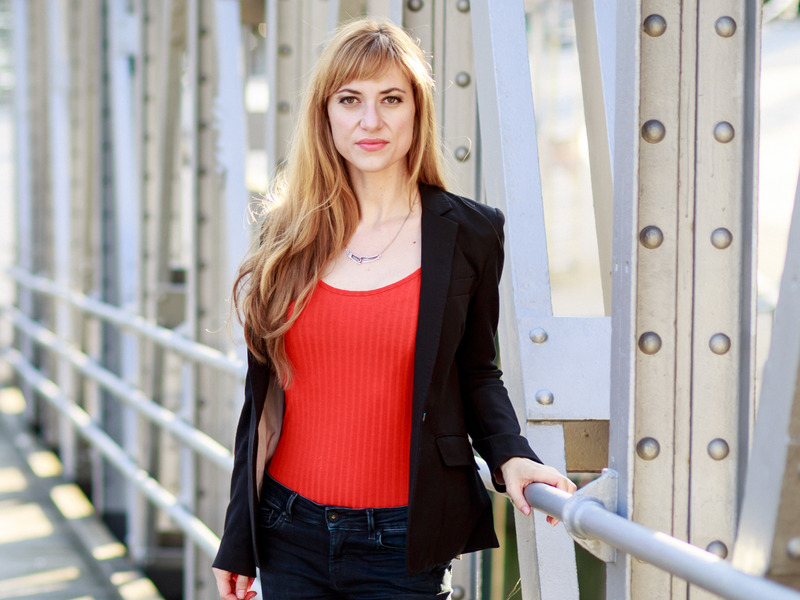
Melanie Stein is a journalist, host, producer, and psychologist. Her work lies at the intersection of digital media, politics, and science, with a particular focus on constructive formats and social dialogue. She is the founder and executive director of the multi-award-winning initiative “Wir sind der Osten” (We Are the East), which builds bridges between East and West and strengthens democratic participation. As a host, she has moderated, among other things, the YouTube series “Diskuthek” for Stern and the ARD podcast “Geld machen, Welt retten.” After completing her internship at NDR, she worked for the media magazine ZAPP as well as for news programs on ARD and ZDF.
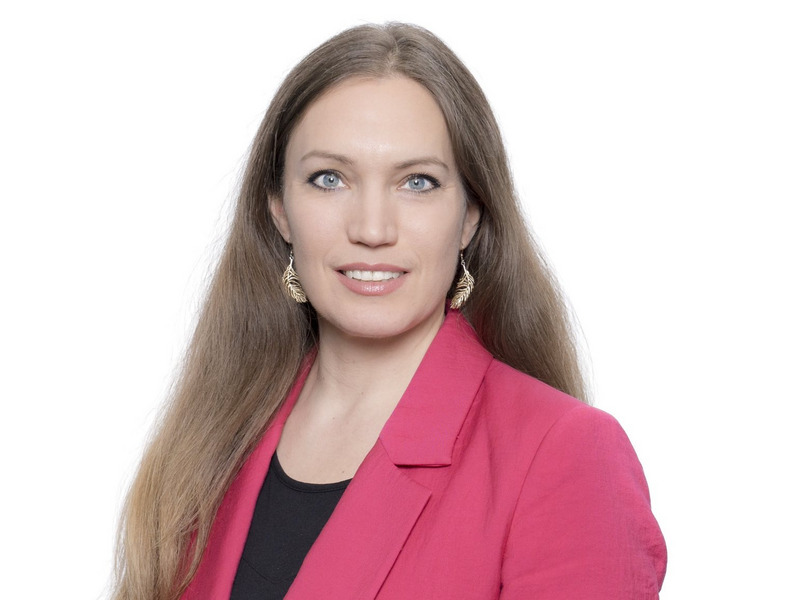
Dr. Rebecca Wagner completed her PhD at the Peace Research Institute Frankfurt (PRIF) and Goethe University Frankfurt, focusing on the resilience of civil society actors in processes of autocratization. She is currently an Associate Researcher with more than 15 years of experience working on international democracy promotion, autocratization, civil society, and elections, both in research and policy. Prior to her doctoral research, she worked in international human rights and democracy promotion, including with a political foundation in Brussels and Berlin. She has also participated in several election observation missions with the OSCE/ODIHR, including deployments to Moldova, Azerbaijan, Albania, the United States, and North Macedonia. Dr. Rebecca Wagner studied at Leiden University (Netherlands), the University of Konstanz (Germany), and Boğaziçi University in Istanbul (Turkey).